














Drunk Driving Accidents in Fort Myers: Civil Claims vs. Criminal Cases
Why the criminal case doesn’t pay your medical bills
If a drunk driver hit you on US-41, I-75, or anywhere in Lee County, you’re now dealing with two completely separate legal systems. The State of Florida will prosecute the drunk driver criminally — DUI charges, possibly aggravated DUI if injuries were serious. That criminal case is run by state prosecutors, and its outcome affects the drunk driver’s license, liberty, and fines. It does not, by itself, pay you a dollar. Our Fort Myers car accident attorney resource sees this confusion repeatedly: injured victims assuming the criminal case will “take care of everything” and discovering months later that they haven’t even opened the separate civil claim that actually produces compensation.
This article walks through both tracks — what the criminal case does, what the civil case does, how they interact, and why the civil claim is what you need to drive to recovery.
Featured snippet — Civil vs. criminal DUI cases
| Criminal DUI case | Civil injury claim | |
| Who runs it | State of Florida (prosecutor) | Injured person (through counsel) |
| Purpose | Punish the drunk driver | Compensate the victim |
| Outcome | Jail, fines, license actions | Money damages |
| Your role | Victim / witness | Plaintiff / claimant |
| Standard of proof | Beyond a reasonable doubt | Preponderance of evidence |
| Can they coexist? | Yes — separate tracks, parallel | Yes — separate tracks, parallel |
Track 1: The criminal case
Under Florida’s DUI statute, driving under the influence of alcohol or controlled substances is a criminal offense, with increased penalties for DUI involving serious bodily injury. The State Attorney’s Office prosecutes DUI cases; the potential outcomes include jail time, fines, license suspension, probation, alcohol evaluation and treatment requirements, and ignition interlock device mandates.
As the victim of a DUI crash, you’re not a party to the criminal case in the legal sense — the State is the party. You may be called as a witness, asked to provide a victim-impact statement, or notified of plea negotiations and sentencing. Criminal restitution may be ordered as part of the sentence, and that can include payment for some losses — but restitution typically covers only out-of-pocket economic losses, not pain and suffering or the full scope of civil damages.
Track 2: The civil injury claim
The civil injury claim is separate from the criminal case and is what actually compensates you for your injuries. You (through counsel) pursue the drunk driver through their auto insurance liability coverage. If coverage is insufficient for the harm, your own UM/UIM coverage may apply. In some cases, additional defendants may be involved — the bar or restaurant that over-served, if Florida’s specific statutory requirements are met (dram shop exposure is narrow in Florida), or the vehicle owner if ownership was separate from the driver.
The civil claim seeks full compensation: medical bills, future medical costs, lost wages, reduced earning capacity, property damage, pain and suffering (if Florida’s serious injury threshold is met), mental anguish, and potentially punitive damages in appropriate cases.
How the two tracks can interact
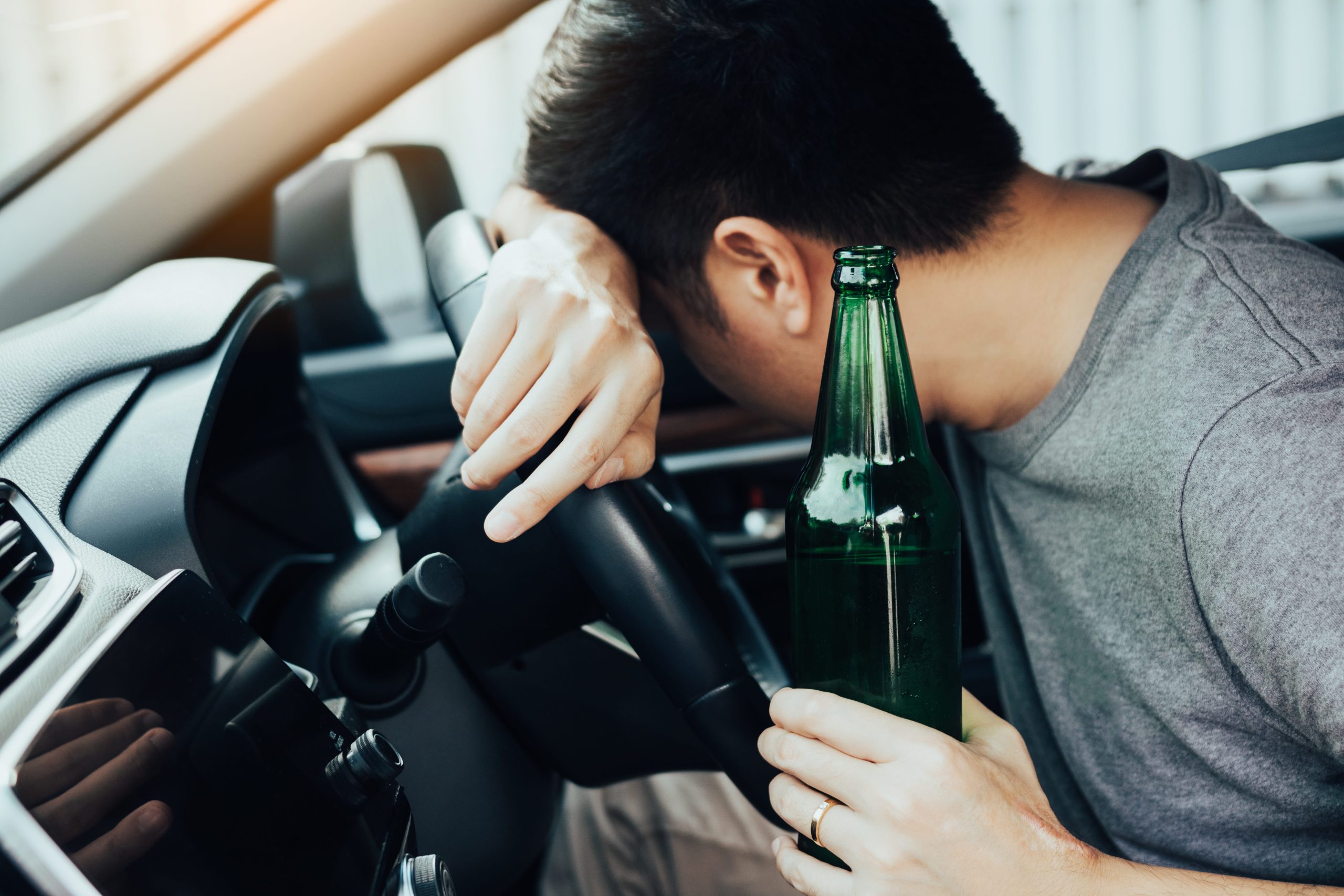
The civil and criminal cases proceed on separate schedules but can influence each other:
- Criminal conviction can strengthen the civil case: a DUI conviction can often be used as evidence of negligence in the civil proceeding.
- Plea agreements sometimes include restitution that reduces civil damages.
- Criminal discovery can produce evidence useful to the civil case (field sobriety tests, BAC results, police reports, witness statements).
- Civil cases typically proceed even during the criminal case, though some aspects may be paused while criminal proceedings are active.
Your criminal-case role as victim doesn’t preclude pursuing a civil claim — you can, and usually should, do both.
When punitive damages may apply
DUI crashes are one of the clearer categories where punitive damages can potentially be pursued in Florida. Under Florida’s punitive damages statute, punitive damages require specific statutory findings — typically intentional misconduct or gross negligence. Driving under the influence has been recognized as conduct that can potentially support a punitive damages claim, though the statute includes procedural requirements (including a threshold showing before the claim can be added) that must be satisfied.
Punitive damages are separate from — and on top of — the compensatory damages (medical bills, lost wages, pain and suffering). They’re meant to punish and deter. Not every DUI civil case produces a punitive damages award, but it’s one of the few categories where the claim is realistically available.
PIP applies regardless of the criminal case
Your own Florida’s PIP statute benefits don’t depend on whether the drunk driver is convicted or even charged. PIP is no-fault — your insurer provides medical benefits regardless of who caused the crash or what the criminal outcome is. PIP generally pays 80% of reasonable and necessary medical expenses up to $10,000 (EMC) or $2,500 (no EMC), plus 60% disability benefits, all subject to the 14-day initial-services rule.
PIP runs on its own timeline. The criminal case may take months or years to resolve. Your PIP claim starts the day of the crash. For broader framing, see our Florida car accident lawyers resource.
Comparative fault can still apply
Even in drunk driving cases, Florida’s modified comparative fault rule under § 768.81 still technically applies. A sober victim is rarely found more than 50% at fault against an intoxicated defendant, but fault can be contested — was the victim speeding, were they distracted, did they have a chance to avoid the collision. Comparative fault arguments in DUI cases are usually weaker, but they’re not off the table, and getting claimant fault as low as possible strengthens both compensatory and any potential punitive claim.
Why timing matters when tracks diverge
The civil claim has its own timeline. Florida’s two-year filing deadline under § 95.11, as amended by HB 837 effective March 24, 2023, applies to the civil negligence claim. Claims that arose before the effective date may be governed by the prior four-year rule. Waiting for the criminal case to resolve before starting the civil claim is usually a mistake — the criminal case may take longer than the civil SOL allows.
When to retain counsel
DUI civil cases are higher-value cases on average because of potential punitive damages and because juries respond to drunk driving with appropriate skepticism. Insurers know this and handle DUI civil claims accordingly. Counsel engaged early can coordinate the civil claim with the criminal case, preserve evidence, and position the claim to take advantage of the facts. Our Fort Myers personal injury team handles Lee County DUI civil cases.
Wolf & Pravato has recovered over $200 million for injury clients across Florida, with more than 75 years of combined experience. We work on a contingency basis — you pay nothing unless we win. To discuss your Fort Myers drunk driving crash, call 844-643-7200 or contact our team.
FAQs
Does the criminal case against the drunk driver compensate me for my injuries?
Not directly in most cases. The criminal case can order restitution for some out-of-pocket economic losses, but it typically doesn’t cover pain and suffering, future medical costs, or the full scope of civil damages. The civil injury claim is what actually pursues full compensation.
Can I file a civil claim if the drunk driver wasn’t convicted?
Yes. The civil claim has a lower standard of proof — preponderance of the evidence, not beyond a reasonable doubt. A driver can be acquitted criminally and still held civilly liable. Outcomes in the two tracks are independent.
Can I get punitive damages in a Fort Myers DUI civil case?
Potentially, yes. DUI conduct is one of the categories where punitive damages can realistically be pursued in Florida. Florida’s punitive damages statute requires specific findings and procedural steps. Not every DUI civil case produces punitive damages, but it’s one of the few areas where the claim is genuinely available.
Does PIP apply in drunk driving cases?
Yes. PIP is no-fault, meaning your own insurer provides medical benefits regardless of who caused the crash or the criminal outcome. The 14-day initial-services rule applies.
Can the bar or restaurant that served the drunk driver be held liable?
Only in specific circumstances under Florida law. Florida’s dram shop exposure is narrow — it generally requires selling or furnishing alcohol to a habitual drunkard or a minor under 21. Ordinary bar service to an intoxicated adult typically doesn’t support civil liability against the establishment. The specific facts matter.
Should I wait for the criminal case to conclude before filing a civil claim?
Usually no. The criminal case can take months or years, and the civil statute of limitations runs independently. Waiting too long can mean losing the civil claim entirely. The two tracks can proceed in parallel.
How long do I have to file a Fort Myers drunk driving civil claim?
Florida’s statute of limitations for most negligence actions is two years under § 95.11, as amended by HB 837 effective March 24, 2023. Claims that arose before the effective date may be governed by prior rules. The criminal case timeline is separate and doesn’t extend the civil deadline.
Recent Posts
- Wrong Burial Plot and Grave-Site Errors in Fort Lauderdale

- Rainwater Falls at Fort Lauderdale Store Entrances

- Parking-Lot Backing Crashes in Fort Lauderdale: Who Has the Right of Way?
- Elevator and Escalator Injuries at Fort Lauderdale Shopping Centers
- Delivery Driver Car Accidents in Lakeland: Who Pays?

- Injured as a Passenger in Fort Lauderdale: Whose Insurance Pays?





FLORIDA’S PERSONAL INJURY ATTORNEYS FOR + 20 YEARS