














What Evidence Do You Need After a Car Accident in Lakeland?
Why evidence decides Lakeland car accident cases
Every Lakeland car accident claim is, at bottom, an argument about what actually happened and who was at fault. The side with better evidence almost always wins that argument — not because the truth changes, but because insurers and juries decide based on what can be shown, not what can be asserted. A Lakeland car accident lawyer sees the same pattern repeatedly: crashes on South Florida Avenue, on US-98, at the I-4 ramps near the Polk Parkway, where the physical facts were clear at the scene but the evidence wasn’t preserved — and months later, the claim comes apart.
This article walks through the five categories of evidence that matter most for Lakeland car accident claims, what each category actually includes, and how to preserve it before it disappears.
Featured snippet — 5 evidence categories you need
- The Florida Traffic Crash Report from responding law enforcement.
- Photos and video documentation of the scene, vehicles, and injuries.
- Witness names, contact information, and written statements where possible.
- Medical records documenting injuries, diagnosis, and treatment timeline.
- Electronic evidence — dashcam, surveillance, EDR data, and telematics.
Evidence category 1: The police crash report
Under Florida’s crash reporting statute, drivers involved in reportable crashes must stop and report the incident. The responding Lakeland Police or Polk County Sheriff’s deputy generates a Florida Traffic Crash Report that becomes the anchor document for every insurance claim and litigation. It documents the officer’s observations, vehicle positions, driver and witness statements, and the officer’s initial assessment of contributing factors.
The report is typically available about 10 days after the crash through the FLHSMV crash report portal. Review it carefully for errors — names, vehicle information, directions of travel, the officer’s notes on fault. Corrections are easier to pursue early than late.
Evidence category 2: Photos and scene documentation
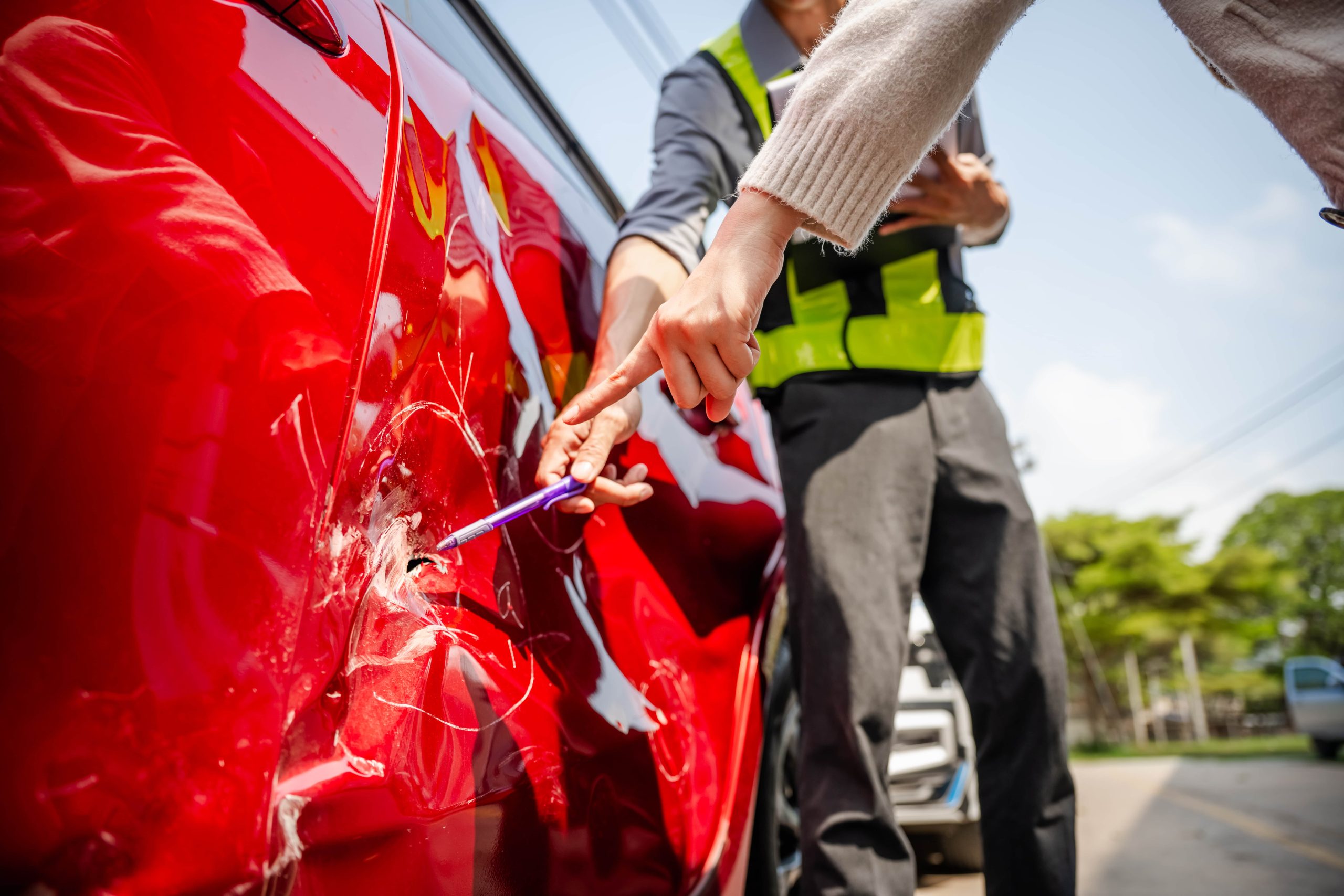
Scene photos are among the most persuasive evidence in any crash case. They show what physical conditions were at the moment — before tow trucks, cleanup, and memory can reshape the story. What to capture:
- Vehicle positions from multiple angles, before anything is moved.
- Damage to every involved vehicle (front, rear, sides, undercarriage if visible).
- The road surface — skid marks, debris, fluid leaks, potholes, construction.
- Traffic signals, signs, and visibility conditions.
- Weather conditions and any relevant environmental factors.
- Your visible injuries and any injuries to passengers.
Video is even better than stills when possible. A 30-second walkaround of the scene with narration can be more valuable than 50 static photos. If other drivers or bystanders are filming, politely ask for copies of their footage.
Evidence category 3: Witness information
Independent witnesses carry substantial weight because they have no stake in the outcome. The challenge is that witnesses disappear within minutes of a crash. At the scene:
- Ask anyone who saw what happened for their name and phone number.
- Note their relationship to the crash (another driver, passenger in a different vehicle, pedestrian, nearby business employee).
- If they’re willing, have them write a brief description of what they saw on a piece of paper or in a text message.
- Get their permission to share their contact information with your insurer and lawyer.
Witness memory degrades quickly. A witness contacted weeks later often “doesn’t really remember” details that would have been crisp at the scene. The contact information gathered in the first few minutes often makes or breaks a contested liability case later.
Evidence category 4: Medical records
Medical records are the foundation of the damages side of the case. Under Florida’s PIP statute, PIP medical benefits are conditioned on initial services within 14 days after the crash. Inside that window, PIP generally pays 80% of reasonable and necessary medical expenses up to $10,000 if a qualified provider determines an Emergency Medical Condition, or $2,500 if no EMC is determined.
A strong medical record shows:
- Same-day or next-day initial visit within the 14-day window.
- Complete, specific symptom documentation at every visit.
- Clear causation language connecting injuries to the crash.
- Diagnostic testing (X-rays, MRI, CT as indicated) when appropriate.
- Consistent follow-up treatment without unexplained gaps.
- Specialist referrals and physical therapy notes as treatment progresses.
Save every receipt, every prescription, every copay, every missed work slip. The claim value is partly built from these records.
Evidence category 5: Electronic and video evidence
Modern crashes leave more electronic tracks than most drivers realize:
- Dashcam footage from your own vehicle or from other drivers.
- Surveillance cameras on nearby businesses, gas stations, apartment complexes — Lakeland corridors often have camera coverage.
- Traffic camera or red-light camera data at signalized intersections.
- Event Data Recorder (EDR) information from each vehicle (speed, braking, throttle, airbag deployment data for seconds before impact).
- Cell phone records (if distracted driving is an issue, subject to legal process).
- Vehicle telematics data (especially for commercial vehicles or newer consumer vehicles).
Most of this evidence has a short shelf life. Business surveillance overwrites in 14 to 30 days; some systems less. A preservation-of-evidence letter delivered within days is often the difference between having the footage and losing it.
How to organize what you collect
Evidence that can’t be found is evidence that doesn’t exist. Create a simple organization system early:
- One folder (physical or digital) for all crash-related documents.
- Photos kept in original resolution with metadata intact.
- A running list of contacts (witness names, insurance adjusters, medical providers).
- A timeline of events and expenses.
- Copies of every piece of correspondence with insurers.
For context on how evidence requirements vary across Florida markets, see our Florida car accident lawyers resource.
Why preservation beats recovery
The Florida’s two-year filing deadline under § 95.11, as amended by HB 837 effective March 24, 2023, sets the outer boundary for filing most negligence lawsuits. Claims that arose before the effective date may be governed by the prior four-year rule. But the evidence-preservation deadlines are much shorter — sometimes two weeks, sometimes 30 days. Lost evidence is almost always unrecoverable; once surveillance overwrites, once witnesses forget, once scene conditions change, that information is gone. Preservation in the first days protects the case for years.
When to retain counsel
Minor crashes with no injuries may not require counsel. But if injuries are more than minor, if fault is contested, or if insurance complications arise (multiple vehicles, commercial vehicle, hit-and-run, coverage disputes), counsel can send preservation letters, coordinate medical documentation, and manage insurer communications before evidence goes missing. Our Lakeland personal injury team handles Polk County crash claims.
Wolf & Pravato has recovered over $200 million for injury clients across Florida, with more than 75 years of combined experience. We work on a contingency basis — you pay nothing unless we win. To discuss your Lakeland car accident evidence needs, call 844-643-7200 or talk to our team.
FAQs
What evidence is most important after a Lakeland car accident?
The Florida Traffic Crash Report, scene photos, witness contact information, medical records, and electronic/video evidence (dashcam, surveillance) are the five core categories. Each supports a different part of the case — liability, damages, or both.
How do I get a copy of my Lakeland crash report?
Florida Traffic Crash Reports are available through the FLHSMV crash report portal, typically about 10 days after the crash. The portal requires identifying information; reports may be subject to statutory restrictions on access depending on crash circumstances.
How quickly do I need to preserve surveillance footage?
Most business surveillance systems overwrite within 14 to 30 days, sometimes less. A preservation-of-evidence letter delivered within days of the crash is often the difference between having the footage and losing it permanently.
What photos should I take at the scene?
Vehicle positions from multiple angles, damage to every vehicle, road surface (skid marks, debris, potholes), traffic signals and signs, weather and visibility conditions, and any visible injuries. Video walkarounds can be even more valuable than stills.
What if I don’t have any witnesses?
Cases can still succeed without independent witnesses if the other evidence is strong — the crash report, surveillance footage, EDR data, and medical records can carry the case. Witnesses help but aren’t always essential.
Should I give a recorded statement to the other driver’s insurance?
Usually not without counsel. Recorded statements given early, before symptoms fully develop or before the facts are clear, can create problems later. Your own insurer’s statement for PIP purposes is different from the at-fault driver’s insurer’s request — the risks aren’t the same.
How long do I have to file a Lakeland car accident lawsuit?
Florida’s statute of limitations for most negligence actions is two years under § 95.11, as amended by HB 837 effective March 24, 2023. Claims that arose before the effective date may be governed by prior rules. The practical evidence-preservation deadlines are much shorter.
Recent Posts
- Wrong Burial Plot and Grave-Site Errors in Fort Lauderdale

- Rainwater Falls at Fort Lauderdale Store Entrances

- Parking-Lot Backing Crashes in Fort Lauderdale: Who Has the Right of Way?
- Elevator and Escalator Injuries at Fort Lauderdale Shopping Centers
- Delivery Driver Car Accidents in Lakeland: Who Pays?

- Injured as a Passenger in Fort Lauderdale: Whose Insurance Pays?




FLORIDA’S PERSONAL INJURY ATTORNEYS FOR + 20 YEARS