
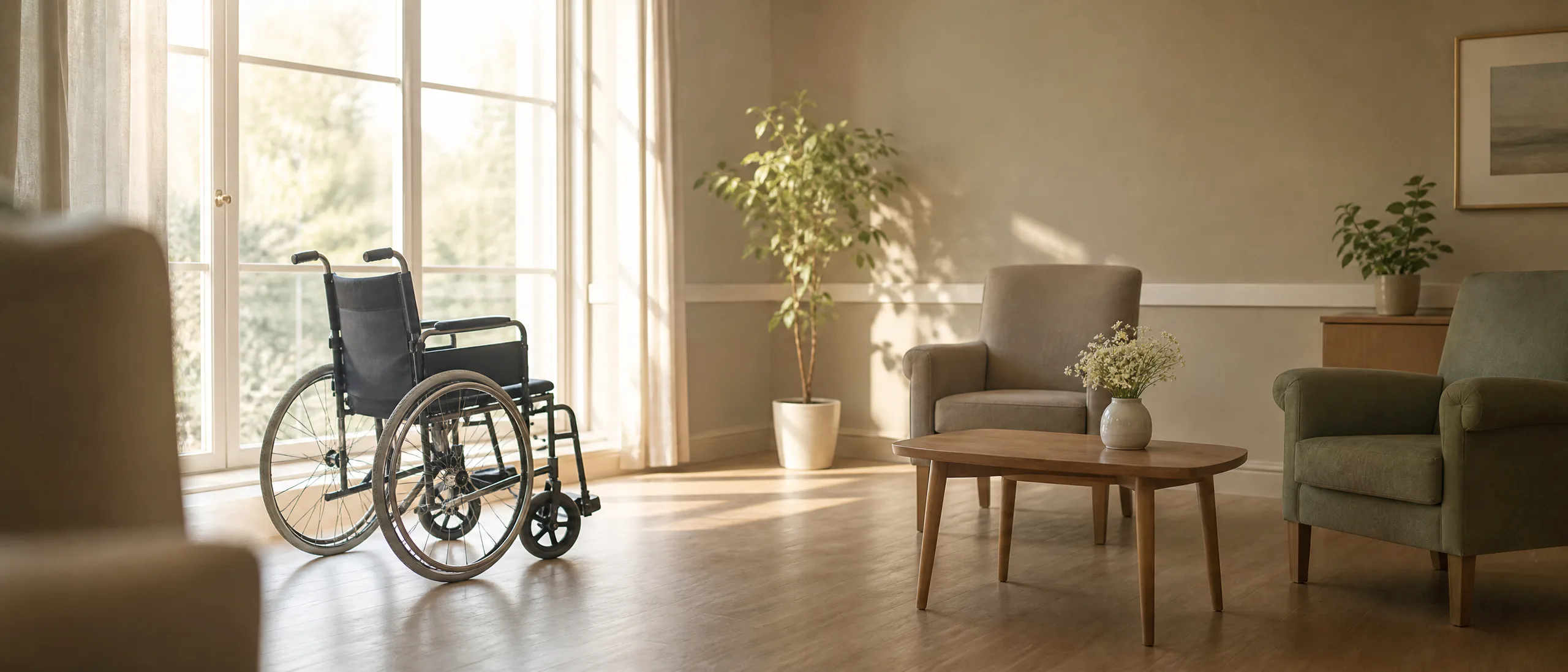
Miami Nursing Home Abuse Lawyer
You trusted a facility with your mother or your father, and now there are bruises, bedsores or a fall nobody called you about. We can take it from here. Call 844-643-7200 for a free consultation. You pay us nothing unless we win. Our Miami personal injury lawyers have taken these cases across Miami-Dade County since 1993.
Nursing Home Abuse claims in Miami
The home will describe it as an accident, and the records that would say otherwise are the ones it keeps itself. Meanwhile you are deciding whether to move them, paying for care you have already paid for once, and getting nothing straight from anyone. Getting those records and an honest account is our job, and it starts the day you call.
Miami-Dade runs more assisted living beds than anywhere else in Florida, and language sits underneath a great deal of what goes wrong. Families raise the same concern for months, verbally, to staff who record none of it, and the file then looks emptier than the family’s experience of it. Care plans and consent documents are frequently in English for residents and relatives who do not read English, which matters most when an arbitration clause turns out to be among them. The county also carries a large number of very small assisted living facilities where one person holds every role, and residents who have declined past what the facility is licensed to handle.
Miami-Dade nursing home claims are filed in the Eleventh Judicial Circuit. The county has an unusually large assisted living sector and a resident population that frequently does not speak English, which changes what a complaint looks like and whether it was ever written down.
What to do after a nursing home abuse in Miami
- Photograph everything on the body, today. Bruising, skin tears, pressure sores, restraint marks, weight loss, an untreated wound. Photograph with a date visible and from more than one angle, and photograph again in a week so the progression is recorded rather than described. A pressure sore that reaches the bone did not appear overnight, and photographs taken a week apart show that better than any argument.
- Request the complete chart in writing. Not a summary and not the parts somebody selects for you. Ask for the full record including nursing notes, the care plan and every revision to it, medication administration records, wound care notes, weights, fall reports and the incident reports. Do it in writing so the request has a date on it, and do it before anybody knows a lawyer is involved.
- Report it to the state and keep the reference. Florida runs a central abuse hotline for vulnerable adults and the agency licenses and inspects these facilities. Making a report does not replace a claim and does not slow one down, and the investigation file that results is frequently the most useful document anybody produces. Keep whatever number you are given.
- Write down the staffing you actually saw. How many staff on the floor, at what hours, and how long call bells went unanswered. Dates and times, even approximate, are what match or contradict the roster the facility later produces.
- Do not sign anything the facility puts in front of you. Not a revised admission agreement, not an arbitration agreement offered after the fact, not a release attached to a waived bill. Admission paperwork in this industry frequently contains an arbitration clause, and whether one is enforceable turns on who signed it and what authority they had. That is worth a conversation before a signature rather than after.
- Move them if they are not safe. The claim is never a reason to leave somebody where they are being hurt. Getting them out, to another facility or to a hospital, comes first and does not weaken anything. A transfer creates its own record: an admitting examination somewhere else, documenting the condition on the day they left, which is frequently the single most powerful piece of evidence in the file.
Where these claims come from in Miami
Miami-Dade runs more assisted living beds than anywhere else in Florida, and language sits underneath most of what goes wrong here.
-
Assisted living facilities, including very small ones
The dominant model here, and a lighter regime than a skilled nursing facility answers to.
- Residents who have declined past what the facility is licensed to handle
- Medication assistance given by staff not licensed to administer it
- Whether a transfer should have happened and the resident was kept instead
- Small facilities where one person holds every role
-
Complaints made in Spanish or Creole to somebody who wrote nothing down
The county-specific factor, and the reason the record frequently looks emptier than the family’s experience.
- What a family raised verbally, repeatedly, over months
- Whether the facility recorded any of it anywhere
- Care plans and consent documents in a language the family cannot read
- Witnesses among staff and other families who will speak plainly in their own language
-
Skilled nursing facilities
Where the chart is detailed enough that a failure is visible to anybody who reads it in order.
- Pressure injuries that developed over weeks with the notes to show it
- Falls in residents already assessed as high risk
- Weight loss recorded monthly and never escalated
- Infections left until a hospital admission documented the state they arrived in
-
Layered ownership and multi-facility operators
Common across the county and the reason the first work is corporate.
- A licensee, a management company and a property owner that differ
- Operators running several facilities under separate entities
- Which entity held the license on the date, which is public record
- A passive investor, whom Florida excludes from liability
What causes them
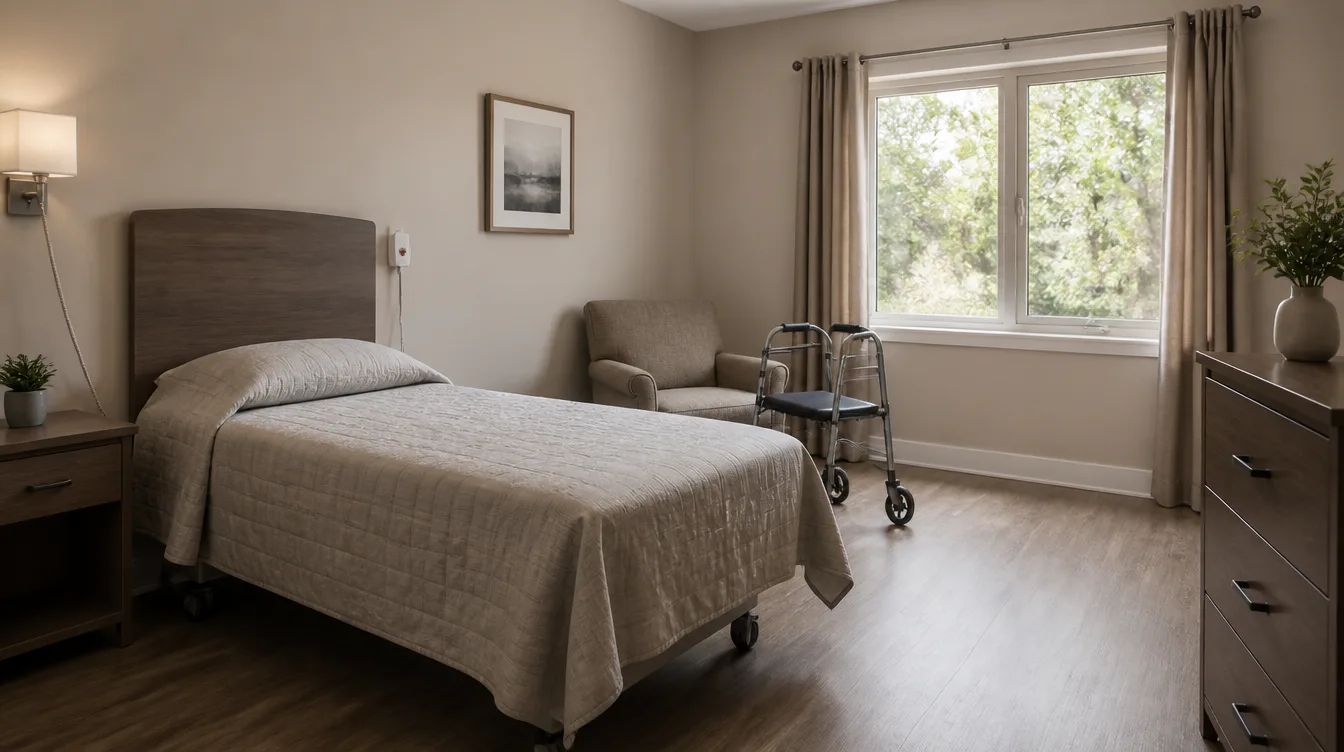
- Turning and repositioning schedules written into a care plan and not carried out
- Pressure sores that were allowed to develop, then allowed to reach bone
- Falls in a resident already assessed as a falls risk, with no intervention put in place
- Dehydration and malnutrition, recorded as weight loss over months that nobody acted on
- Medication given late, given twice, or not given at all
- Infections left untreated until they reached sepsis
- Call bells left unanswered long enough that residents stopped pressing them
What neglect actually looks like
Falls, and the assessment that preceded them
Almost every resident who falls was already assessed as a falls risk, because that assessment is routine on admission. The question is what the facility did with it: bed alarms, low beds, mats, supervision at transfer, a physiotherapy referral. A fracture in a resident assessed as high risk with nothing put in place is a documented failure rather than an accident.
Dehydration and malnutrition
Recorded in weights taken monthly, so a loss happening over months is visible in the chart to anybody who reads it in order. Families are frequently told it is age or appetite. Where a resident needed help to eat and there was nobody to help them, that is a staffing failure with a paper trail behind it.
Infection and sepsis
A urinary or wound infection is ordinary and treatable. What is not ordinary is one that goes unnoticed until a resident is confused, feverish and being taken to the hospital. The hospital admission record establishes the state they arrived in, and it is written by people with no stake in what the facility says happened.
What Florida law requires you to prove
Residents have rights written into the statute
The full scheme, the presuit process and the notice requirements sit on our Florida nursing home abuse page rather than being restated in each market. The short version is that Florida writes a list of residents’ rights into chapter 400 and creates a civil action for violating them, which is a different claim from ordinary negligence and is frequently the stronger one.
Who can actually be sued, which is narrower than people expect
Fla. Stat. § 400.023 makes this an exclusive cause of action that may be brought against the licensee, the licensee’s management or consulting company, its managing employees and any direct caregivers, whether employees or contractors. The same section says a passive investor is not liable. Establishing which entity actually holds the license, and which company manages it, is therefore the first piece of work in every one of these files.
The facility had to write it down, and had to report it
Fla. Stat. § 400.147 requires an internal risk management program with a named risk manager and an incident reporting system staff have an affirmative duty to use, and Fla. Stat. § 415.1034 requires anybody who suspects a vulnerable adult is being abused or neglected to report it immediately. A serious injury with no report is itself a finding.
The full statutory detail, and the parts that differ by claim type, sit on our statewide nursing home abuse page rather than being restated in every market.
How we prove it in Miami-Dade County
A Miami-Dade file frequently has to reconstruct complaints that were made out loud and never recorded.
- The complete chart in writing, including care plan revisions and medication records
- Whatever exists of complaints made verbally: emails, messages, notes, other families who heard them
- Whether documents were provided in a language the family reads, and who interpreted
- Staffing schedules, timesheets and agency invoices
- State inspection and complaint history for the facility
- The admitting record from the hospital or facility the resident went to next
- Dated photographs of wounds, bruising and weight loss
- The licensee, the management company and the managing employees, identified separately
Write down every conversation you had with staff, with dates, even approximate ones. Where complaints were made in a language nobody recorded, several independent accounts of the same complaint are what carries the point.
Who would handle your case
Being hurt in Miami is hard enough without working out the legal side on your own. The trial lawyers below have handled nursing home abuse claims across Florida since 1993, and one of them will take yours from the first call to the last check. They will tell you what your case is worth and why, and they will be straight with you about the parts that are hard.
-
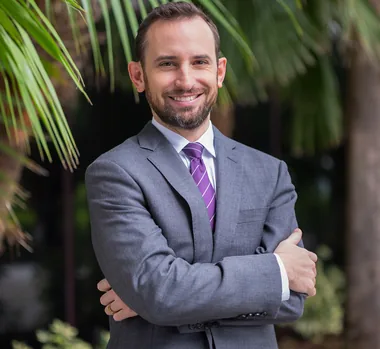 Brett J. Yonon Senior Trial Attorney Selected to Florida Super Lawyers in 2024 and 2025. Brett Yonon is who this firm puts on a catastrophic injury or a death in the family, and he has tried those cases to verdict. Full profile →
 -
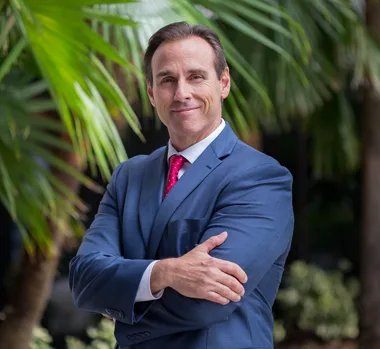 Richard P. Pravato Founding & Managing Attorney Board Certified in Civil Trial Law by The Florida Bar since 2004, and by the National Board of Trial Advocacy. Injury cases exclusively since 1996. Full profile →
What the facility and its insurer will say
The response in these files is unusually consistent, and it starts from the position that the resident was old and was going to decline anyway.
- The family signed an arbitration agreement
- Frequently they did, buried in admission paperwork signed on the worst day of a family’s year. Whether it binds anybody turns on who signed it, what authority they actually held over the resident’s affairs, and what the document says. It is challenged rather than accepted, and it is one of the first things read in these files.
- We were fully staffed that day
- Then there are timesheets, agency invoices and a schedule, and those either match what the family saw or they do not. Staffing records are among the first documents requested, and a facility running below what its own assessments called for is a documented failure rather than an impression.
- There is no incident report because nothing happened
- Florida requires an internal risk management program with a named risk manager and an affirmative duty on staff to report adverse incidents. A serious injury with no report is not evidence that nothing happened. It is evidence about the reporting system, and it is raised as such.
What a claim can include
Pain, suffering and loss of dignity
The largest part of most of these claims, and the part a facility prices lowest in an early offer.
The cost of moving somewhere safe
A transfer to another facility, and the difference in cost where the alternative was more expensive.
What a family may recover after a death
Florida makes the estate choose after the verdict between survival damages and wrongful death damages rather than taking both, and who survives the resident affects which is worth more.
Why Wolf & Pravato in Miami
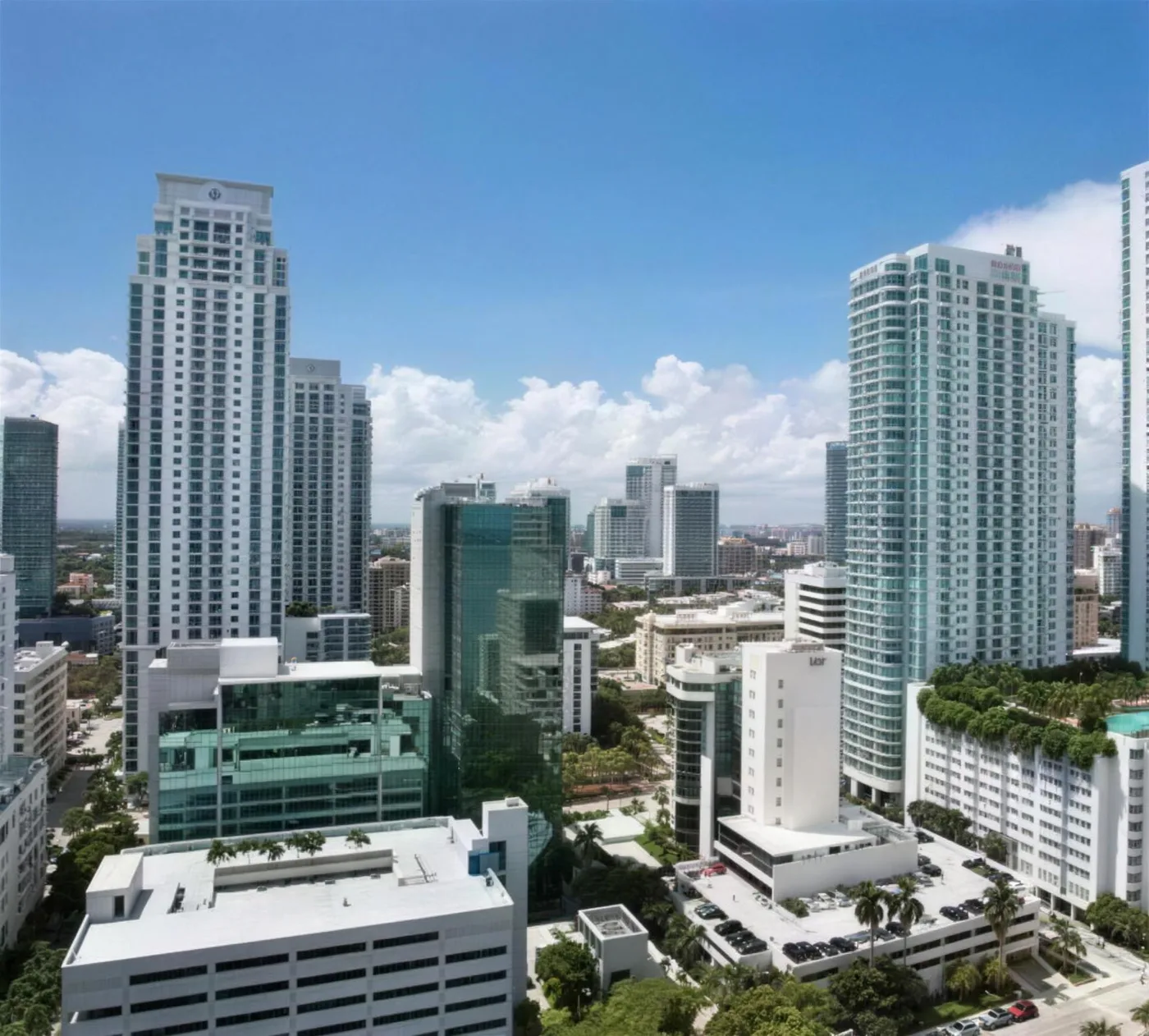
A Miami-Dade nursing home claim is filed in the Eleventh Judicial Circuit at the Miami-Dade County Courthouse, and the firm has an office on Brickell Avenue rather than a mailing address here. Where a family raised the same concern for months in a language nobody wrote down, establishing what the facility actually knew is local work and it is done from more than the chart.
The firm is led by a Board Certified Civil Trial lawyer, a certification held by 861 attorneys in Florida against a membership over 109,000. Insurance companies keep their own records of which firms in a county actually try cases, and that record moves an offer further than anything a firm can say about itself.
There is no charge to ask. Our fee comes out of what we recover and nowhere else, and if the answer is that you do not have a case, that is the answer you will get.
Miami nursing home abuse questions
We complained for months and there is nothing in writing.
That is common and it is not fatal. Verbal complaints leave traces: a message to a relative, a note somebody made, a work order raised afterward, a staff member who remembers, other families saying the same thing. Write down who you spoke to and roughly when, now. Several independent accounts of the same complaint carry real weight.
Everything we signed was in English and we do not read English.
That matters and it is worth saying at the outset, particularly where an arbitration clause was in the paperwork. What the family actually understood becomes a question of fact rather than a formality. Keep every document you were given and note who explained it and who interpreted.
Should we report it to the state as well?
You can, and it costs nothing. A regulatory complaint triggers an independent investigation and can result in citations against the facility. It does not compensate your family and it does not replace a civil claim, but the findings can be useful and the two run in parallel.
The facility says the pressure sore was unavoidable. Is that true?
Sometimes it genuinely is, in a resident whose medical condition makes skin breakdown very difficult to prevent. Far more often the charting tells a different story. Repositioning records, nutrition logs and staffing levels for the relevant period are what distinguish an unavoidable wound from a neglected one.
The questions that come up on every kind of claim, deadlines, fees, recorded statements and fault, are answered on our Florida injury claim FAQ.
More in Miami
Miami Personal Injury Lawyer
Everything we handle in Miami-Dade County, and where our office is.
View →Miami Bicycle Accident Lawyer
Florida bicycle accident lawyers.
View →Miami Bus Accident Lawyer
Florida bus accident lawyers.
View →Miami Construction Accident Lawyer
Florida construction accident lawyers.
View →
Tell us what happened
A lawyer will listen, tell you what Florida law does with those facts, and be straight with you about whether it is worth bringing. We are at 1111 Brickell Avenue, 11th Floor, Miami, FL 33131.