Does Health Insurance Cover Car Accidents in Florida? Who Pays First
 By Richard P. Pravato, Board Certified in Civil Trial Law Published November 25, 2026
Yes, health insurance covers car accident injuries in Florida, but it does not pay first. Your car insurance pays first. That part of your car insurance is called PIP, short for personal injury protection.
Here is how the bills get paid: PIP pays 80% of your medical bills, up to $10,000. Your health insurance then pays the bills that are left.
The other driver's insurance company may later pay you a settlement, which is the money it pays to close your claim. When that happens, your health plan can ask you to pay back some of the money it spent on your care.
Two mistakes cost people money. If you wait more than 14 days to see a doctor, PIP pays nothing. If you get a settlement, your health plan may ask for every dollar it paid for your surgery. Health plans and insurance companies deal with these rules every day, and they have resources you do not.
You may be in a hospital right now. A billing clerk may be asking which insurance card to use. You may have a settlement coming and a letter from your health plan asking for money, or you may have no health insurance at all. This guide answers all three.
My name is Richard P. Pravato, and our Florida car accident lawyers sort out who pays the medical bills in every crash case we take. So let me walk you through it step by step, so by the end you will know who pays for your medical bills first, when to use your health insurance, whether your health plan wants to be paid back and what health insurance will never pay for.
Key takeaways
- In Florida, car insurance PIP pays crash medical bills first, and health insurance pays for car accident care after PIP has paid.
- A Florida health plan that wants money back from a car accident settlement has to take less than it paid, because it shares the cost of the lawyer's fees.
- Health insurance never pays for lost pay, pain and suffering or car repairs after a car accident, so those come from the at-fault driver's insurance.
Does health insurance cover car accidents in Florida?
Yes. Your health insurance covers car accident care in Florida under the same rules as any other care, once PIP has paid its part. You still pay your deductible, which is the amount you pay before the plan starts paying, and your copays.
You cannot skip PIP and send every bill to your health plan. Florida is a no-fault state, and its PIP law says PIP pays before any other insurance. Many health plans mail you an "other insurance" form after a crash visit and hold the bill until you send the form back.
Fill out that form within a few days. If you ignore the form, your plan can deny the bills, and the hospital sends them to you. The next question is how the bills move from one company to the next.
Who pays for medical bills in a car accident in Florida?
In Florida, four sources pay crash medical bills, in this order: your PIP, your MedPay if you bought it, your health insurance and then the at-fault driver's insurance. MedPay, short for medical payments coverage, is an extra you can buy on your car policy. Here is the order Florida law puts the four payers in:

Say your emergency room bill is $5,000. PIP pays 80%, which is $4,000.
MedPay or your health insurance pays some or all of the other $1,000. Our guide to what PIP covers in Florida lists what it pays for. If you wait too long to see a doctor, PIP can refuse to pay anything.
Step one) Get treated within 14 days and give both insurance cards
See a doctor, an urgent care or an emergency room within 14 days of the crash. If your first visit comes later than that, PIP pays nothing for your medical care.
Florida's PIP law also cuts PIP to $2,500 if a doctor decides you did not have an emergency medical condition, which means an injury serious enough to need prompt care. A doctor's note that you had an emergency condition lets PIP pay up to its full limit.
At the first visit, hand the front desk your car insurance card and your health insurance card. The office then bills PIP first and your health plan second, from day one. Our guide to how long you have to see a doctor after a crash covers the 14 days in more detail.
Step two) Use your health insurance once PIP runs out
You can use your health insurance for every visit after PIP is used up. Your health plan then pays for surgery, specialists and physical therapy under its usual rules.
Your plan's rules still apply after a crash. Stay in network when you can, which means seeing doctors who have a contract with your plan. Get approval before any surgery or scan your plan says needs it. If you skip a required approval, the plan can deny the bill, even when a car accident caused the injury.
Keep every explanation of benefits your plans mail you. An explanation of benefits is the statement that shows what the doctor charged and what the plan paid. You need them when your health plan asks for its money back.
Step three) Find out whether your health plan wants to be paid back
Find out whether your health plan has a right to be paid back from your settlement. Most plans do, and that right is called subrogation. Subrogation means the plan takes money back out of your settlement.
Say your health plan pays $40,000 for your surgery. You later settle with the at-fault driver's insurance company. Your health plan then sends a letter asking for all of it back.
Florida law limits that claim. Under Florida's health plan repayment law, a plan can only take back money you actually got for those bills. The plan also has to pay its share of your lawyer's fees and case costs. Say fees and costs took 35% of your settlement, so the plan's claim drops by 35%, to $26,000.

The plan also has a deadline. Your lawyer sends the plan a notice by certified mail. If the plan does not answer in writing within 30 days, it loses its right to be paid back. If a letter from your health plan asks you for money, talk to a lawyer before you pay any of it.
PIP works differently. Florida law says no car insurance company can put a claim on your settlement for the PIP it paid. If you were riding in or hit by a commercial vehicle, like a delivery truck, your PIP company can ask that vehicle's owner to pay it back. That money comes from the owner or its insurance company, not from you.
Some plans follow federal rules instead. A self-funded plan, where your employer pays the medical bills out of its own money, can ignore Florida's limits under a U.S. Supreme Court decision. Medicare and Medicaid have their own repayment rules too, and our guide to a Medicare claim on a settlement explains them. The next question is which bills your health plan never pays.
Step four) Add up what health insurance will never pay for
Health insurance pays doctors and hospitals, so it never pays for these six things:
- Your lost pay. PIP pays 60% of it, inside the same PIP limit.
- Pain and suffering.
- Repairs to your car, or to a phone or laptop broken in the crash.
- Help at home with chores you can no longer do.
- Your deductible, your copays and your share of each bill.
- Care your plan does not cover, like a doctor outside its network.
The driver who caused the crash owes you for this list. You get it through a claim against that driver's insurance, or through your own uninsured motorist coverage if the driver had little or no insurance. To get paid for pain and suffering in Florida, your injury usually has to be permanent or leave lasting scars.
Florida's PIP law also says you cannot ask the at-fault driver for bills that PIP paid or should have paid. A jury can hear about those bills, but it cannot give you money for them. If you forget an item on this list, you can lose it.
What if you do not have health insurance?
You can still get treated after a car accident with no health insurance. PIP and MedPay pay the same way whether or not you have a health plan.
Once PIP is used up, some doctors will treat you on a letter of protection. A letter of protection is a written promise to pay the doctor out of your settlement. Medicaid or Medicare can also pay if you qualify, but both want to be paid back. Ask the hospital billing office about financial help before you agree to a payment plan.
Florida changed the rules for letters of protection in 2023. Your lawyer now has to hand the other side a copy of the letter and every itemized bill. If you have no health insurance, a jury may hear what 120% of Medicare's price for the same care would be, under a 2023 Florida law. Our post on letters of protection in Florida explains what that does to a case.
If you skip care because of cost, the other driver's insurance company points to the break in treatment to argue you were not really hurt.
What if you were hit while walking or riding a bike?
You can still get your medical bills paid through PIP if a car hits you while you are walking or riding a bike. Your own PIP pays first if you or a relative you live with owns a car with PIP.
If nobody in your home owns a car, the PIP on the car that hit you pays instead, as long as you live in Florida. After PIP, your health insurance, any MedPay and your own uninsured motorist coverage can pay the rest.
These crashes often cause broken bones, so the bills pass the PIP limit fast. Our firm settled one Boca Raton bike crash for $800,000. A large vehicle owned by a neighborhood association hit our client in a bike lane, and he needed several surgeries. Our guide to pedestrian right of way in Florida covers who is at fault in these crashes.
What it looks like once this is handled
Once this is handled, you know which company paid each bill. PIP paid 80% of the first bills, your health plan paid the rest, and no bill sits in collections with your name on it.
Once the health plan's claim is settled, you have it in writing and cut by its share of the fees. You will have your take-home amount in front of you before you sign anything.
How we sort out who pays your medical bills
We start by listing every company that paid for your care. Early in the case, we mail each one the written notice that Florida's repayment law calls for.
Before we split any settlement, we check each repayment claim against your bills. We fight any charge that has nothing to do with the crash, and then we ask each company to take less. Our five offices are in Fort Lauderdale, Miami, West Palm Beach, Boynton Beach and Fort Myers. A review costs nothing, and we only get paid if you do.
Health insurance and car accident questions we get asked
Can I use my health insurance for a car accident?
Yes, and you can use it even when the other driver caused the crash. Your health plan pays covered care now. It does not wait for anyone to decide who was at fault.
Will my health insurance go up after a car accident?
Not on a Marketplace plan. Federal rules let those plans set prices by only five things: age, where you live, tobacco use, plan level and who the plan covers. A crash is not on that list.
Does Medicare cover car accident injuries?
Yes, but Medicare pays after PIP and after the other driver's insurance. When they are slow, federal law lets Medicare pay first. Medicare then gets paid back from your settlement, so tell your lawyer on day one that you have Medicare.
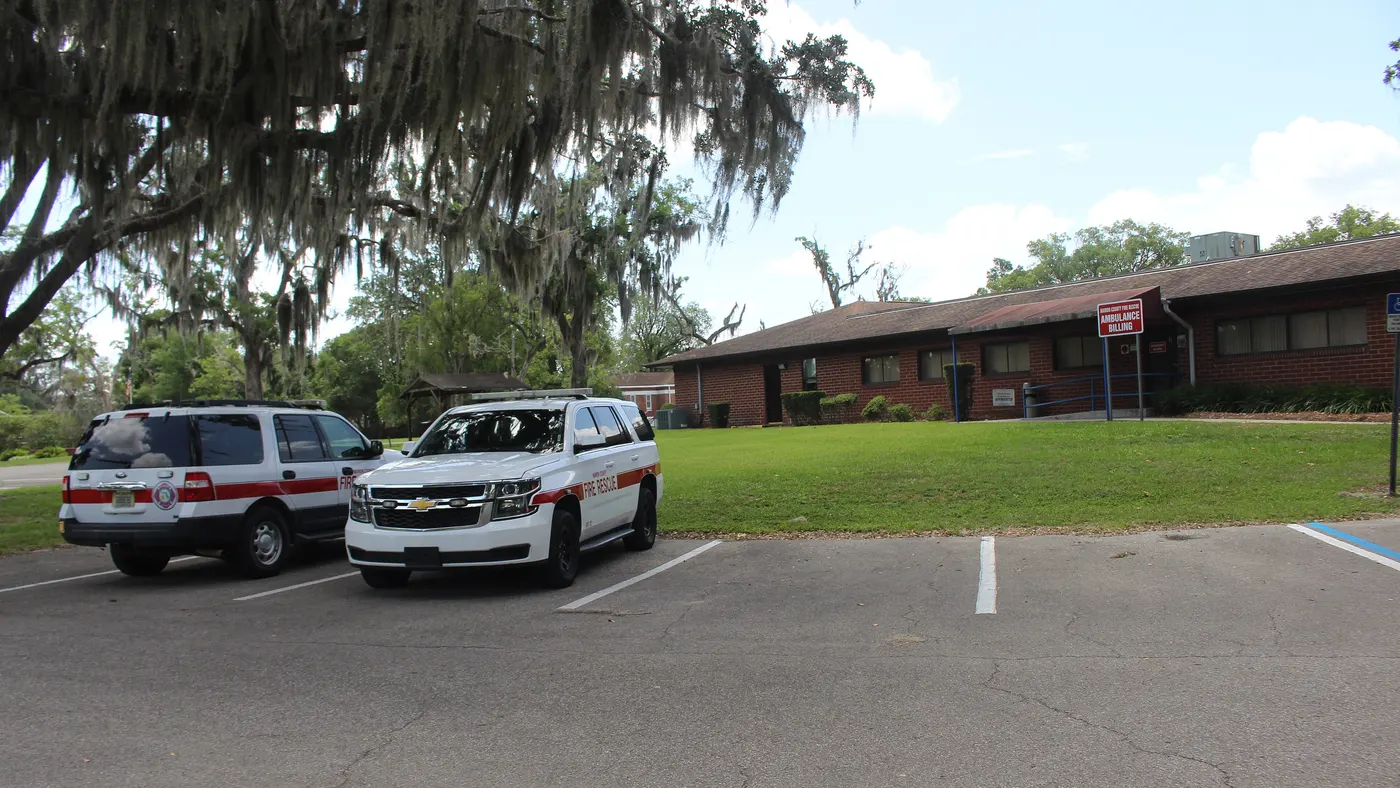
Cover photo by Mjrmtg, CC0, via Wikimedia Commons. This article is general information about Florida law, not legal advice. Insurance policies and health plans differ, laws change and the outcome depends on the facts of each claim. The dollar examples above are made up to show how the rules work.
Related reading
 Claims and Settlements

The Other Driver Lied to Police? How Car Accident Fault Is Determined
Richard P. Pravato  Road Accidents
Waymo Accident in Florida: Who Pays When Nobody Was Driving?
Richard P. Pravato  Road Accidents
Minor Car Accident With No Police Report? Florida's New $2,000 Rule
Richard P. Pravato