
Miami Dog Bite Lawyer
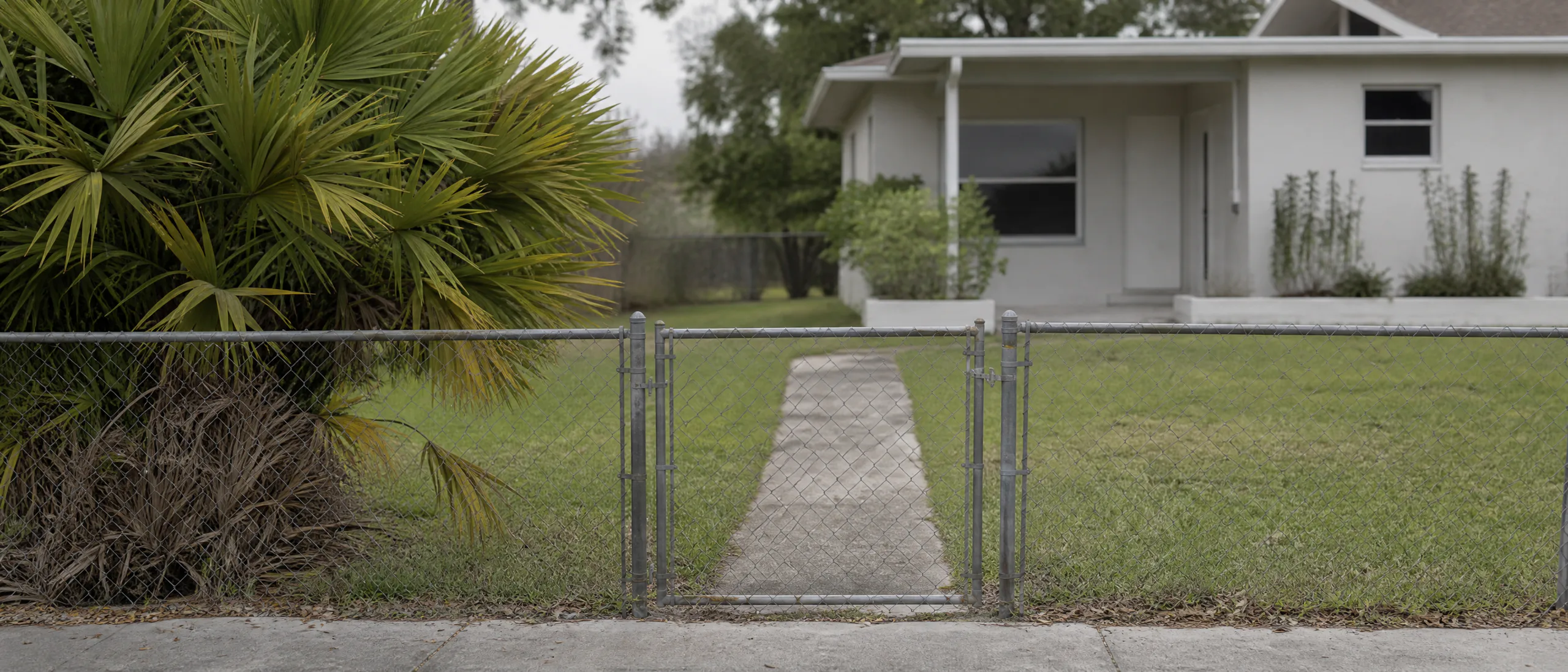
A dog got loose, and now the wound care, the shots and the calls from an insurance company are all on you, and none of it was your choice. We can take it from here. Call 844-643-7200 for a free consultation. You pay us nothing unless we win. Our Miami personal injury lawyers have taken these cases across Miami-Dade County since 1993.
Dog Bite claims in Miami
The owner will tell you the dog has never done this before, and Florida does not let that be their defense. Meanwhile you are paying for the emergency room, booking a plastic surgeon, and only just learning that a homeowner policy may be what pays. Making that claim properly is our job, and we start the day you call.
Most of Miami-Dade lives in buildings with shared corridors, elevators, lobbies and pool decks, and a bite that happens in one of those places is not simply an owner's claim. Where an association or a management company knew a particular dog was dangerous and allowed it to remain unrestrained in a common area, that is a separate negligence claim against a much larger policy. The bite report to Miami-Dade Animal Services is what establishes the animal's history, and a request for prior complaints about the same address is one of the first things we send.
A Miami-Dade dog bite claim runs against the owner under Florida strict liability, and frequently against a building or a business as well. The recurring problem here is that the bite was never reported, which leaves no county file and no independent record. Most claims carry a two-year filing deadline.
What to do after a dog bite in Miami
- Get treated, because infection is the real risk. A puncture that looks minor closes over bacteria and does not drain, which is why dog bites become serious days later rather than on the day. Hand and face wounds are the ones that need attention fastest. Rabies prophylaxis, where it is indicated, is time-sensitive, and the medical record from that first visit is also what establishes the injury happened at all.
- Report it, so a county file exists. A report to the county animal agency opens a file, triggers the rabies quarantine and creates an independent record of the animal, the address and the owner. Owners dispute the circumstances weeks later as a matter of routine. Without that file it becomes one account against another, and the person with the healed wound is the one who has to prove what happened.
- Photograph the wounds now, and keep photographing them. Before they are cleaned and closed, then at a week, at a month, and as they heal. Scarring is the largest head of loss in most of these claims and it is the one nobody documents, because by the time anybody thinks about it the only record is a mature scar and a description of what it used to look like.
- Get the owner’s details, and the property owner’s. Name, address, phone and any insurance. If the owner is a tenant, note who owns the property, because a landlord or an association that already knew about a dangerous animal can be answerable separately and usually carries a larger policy. Note anybody who saw it, since bites in a yard or a corridor rarely have neutral witnesses later.
- See a plastic surgeon before you discuss numbers. An early offer in a bite case is priced on a wound that has not finished healing, and it will not include revision surgery, laser treatment or the further procedures a growing child needs as a scar changes with them. A consultation puts a figure on what is actually ahead. A release signed before that cannot be reopened afterward.
Where these happen in Miami
Most of Miami-Dade lives in buildings and rents, which changes both where bites happen and who is answerable for them. It also changes how often anybody makes a report.
-
The bite nobody reported
The most common problem we see here. No county file, no quarantine, no first-day medical record, and by the time somebody asks, a healed wound and two accounts.
- A report that can still be made later, which is worth doing even weeks afterward
- The first medical record, which is the next best independent evidence
- Photographs taken on a phone at the time, which almost everybody has and nobody thinks to keep
- Messages between neighbors or with the owner, which frequently contain an admission
-
Rentals and short-term rentals
A dog in a unit may belong to a tenant, a guest or somebody staying temporarily, which affects whose insurance responds.
- The owner of the animal, who may not be the person on the lease
- The property owner and any management company, answerable where they knew
- Short-term rental platforms and their operating agreements, which sometimes carry coverage
- Building records showing what was reported about the animal before
-
People working at a door
Delivery riders, drivers and service workers, which in this county is a very large workforce.
- Route, app and scan data timestamping the visit precisely
- A compensation claim alongside the bite claim where the person was working
- Employment classification, which decides whether that first claim exists at all
- Gates, latches and access arrangements at the property
-
Parks, causeways and public space
Off-leash bites where the claim starts from a local ordinance rather than from a building’s records.
- Leash requirements, which are public and are worth citing rather than assuming
- Neutral witnesses, which a public place produces and a corridor does not
- Prior animal control calls about the same dog at the same location
- Camera coverage from surrounding businesses rather than from the park itself

What causes them
- Dogs loose from a yard where a gate, a fence or a latch had already failed
- Delivery drivers, postal workers, meter readers and service technicians bitten at a door
- Landscapers, pool technicians and contractors bitten entering a yard they were sent to work in
- Bites in the shared corridors, elevators, lobbies and pool decks of apartment and condominium buildings
- Bites at a friend’s or a relative’s home, which is where most serious injuries to children happen
The injuries we see, and what each one turns on
Hands, wrists and forearms
Defensive wounds, and the most functionally serious injuries adults sustain. Tendon and nerve damage in a hand affects everything a person does with it, and the infection risk in a hand puncture is high enough that these are treated as urgent rather than routine.
Infection
The reason a small puncture is not a small injury. Bite wounds seed bacteria deep and then close, and the resulting infection can require admission, surgical washout and weeks of intravenous antibiotics. It is also the most common reason a bite that was shrugged off on the day becomes a serious medical problem by the weekend.
Nerve damage and loss of function
Numbness, weakness and permanent loss of sensation, particularly in the hands and face. These are proved with treating records and with a specialist assessment rather than with photographs, and they are frequently the part of a claim that gets left out because the scar is more visible.
What Florida law requires you to prove
Florida does not give a dog one free bite
Under Fla. Stat. § 767.04 the owner is liable for a bite in a public place, or where the person bitten was lawfully on private property, whether or not the dog had ever shown aggression before. The old one-bite rule people have heard about is not the law here. A prior history still matters, because it defeats arguments about provocation and it can support a claim against a landlord or an association that knew, but it is not required.
The two limits on that, and the exception inside one of them
The same statute reduces damages by the share of the bitten person’s own negligence, which is where provocation is argued. It also gives an owner a defense where a sign reading "Bad Dog" is displayed prominently on the property, which is a genuine limitation and surprises people. That defense does not apply where the person bitten is under six years old, and it does not apply where the owner’s own negligence caused the bite.
When it is not a bite, and who else can be answerable
A dog that knocks somebody over, runs into them or causes a fall has not bitten them, and Fla. Stat. § 767.01 makes owners liable for damage done by their dogs more broadly. Beyond the owner, a landlord, an association or a management company can be answerable in negligence where it knew a dangerous animal was on the property and did nothing, and a boarding or grooming business can be answerable for an animal in its care. Most claims arising on or after March 24, 2023 carry a two-year deadline under Fla. Stat. § 95.11.
The full statutory detail, and the parts that differ by claim type, sit on our statewide dog bite page rather than being restated in every market.
How we prove it in Miami-Dade County
Where no report was made, the claim is built from whatever independent record exists, and there is usually more of it than people assume.
- A report to Miami-Dade Animal Services, which can still be made after the fact and opens a file
- The rabies quarantine record where one was carried out
- The medical record from the first treatment, which establishes the injury and its mechanism
- Photographs of the wounds before closure and at intervals while they heal
- Messages, building emails and neighborhood posts, which frequently identify the animal and the owner
- Association or management records showing what had been reported about the dog before
- Route, app and scan data where the person bitten was working
- A plastic surgeon’s assessment of what further treatment the scarring will need
A late report is worth making. It will not carry the weight of one filed the same day, but it puts the animal, the address and the owner into a public record and it stops the claim resting entirely on two conflicting accounts.
Who would handle your case
Being hurt in Miami is hard enough without working out the legal side on your own. The trial lawyers below have handled dog bite claims across Florida since 1993, and one of them will take yours from the first call to the last check. They will tell you what your case is worth and why, and they will be straight with you about the parts that are hard.
-
 Richard P. Pravato Founding & Managing Attorney Board Certified in Civil Trial Law by The Florida Bar since 2004, and by the National Board of Trial Advocacy. Injury cases exclusively since 1996. Full profile →
 -
 Brian H. Malamud Senior Trial Attorney More than twenty years on the Wolf & Pravato trial team. Brian Malamud has handled your kind of case many times over, and he knows early which parts of it are going to decide it. Full profile →
How insurance companies handle these claims
Because liability is usually not seriously in question, an adjuster on a bite claim is working on two things instead: reducing the share and closing the file before the injury is finished declaring itself.
- The dog had never done anything like this before
- Irrelevant to the owner’s liability, and stated as though it were decisive. Florida imposes liability whether or not the animal had a history. Where a history does exist it matters for a different reason: it supports a claim against a landlord, an association or a business that knew and allowed the animal to stay.
- There was a sign
- The statutory defense is narrower than it sounds. It requires a sign in a prominent place reading "Bad Dog", it does not apply at all where the person bitten was under six, and it does not apply where the owner’s own negligence caused the bite. Signage is also frequently not where an owner later says it was, which is why photographs of the property taken early are worth more than an argument later.
- You were not supposed to be there
- Strict liability applies where somebody is in a public place or lawfully on private property, so an adjuster will look for a reason the visit was not lawful. Delivery drivers, service workers, contractors and invited guests are lawfully present. Where the person was working, there is frequently a compensation claim running alongside this one.
What a claim can include
Scarring and disfigurement
The largest head of loss in most of these claims, and the one that depends entirely on a record being made while the wound was healing rather than after it had.
Revision surgery for a growing child
A scar on a child does not stay the same size. It is revised as they grow, sometimes over years, and the cost of that is quantified by a surgeon rather than estimated by an adjuster.
Psychological treatment
Therapy for fear of animals, sleep disturbance and avoidance, which is common after a bite and particularly in children. It has to be documented while it is happening.
Why Wolf & Pravato in Miami
A Miami-Dade dog bite case is filed in the Eleventh Judicial Circuit, and the firm has an office on Brickell Avenue rather than a mailing address here. We work with clients in Spanish and English, which matters in a practice where what a neighbor said and what got written down are frequently the whole file.
The firm is led by a Board Certified Civil Trial lawyer, a certification held by 861 attorneys in Florida against a membership over 109,000. Insurance companies keep their own records of which firms in a county actually try cases, and that record moves an offer further than anything a firm can say about itself.
There is no charge to ask. Our fee comes out of what we recover and nowhere else, and if the answer is that you do not have a case, that is the answer you will get.
Miami dog bite questions
A dog in my building bit me. Can the association be responsible?
Sometimes. The owner is strictly liable under Florida law regardless. An association or management company can also be liable in negligence where it knew about a dangerous animal in a common area and did nothing, which brings in a separate and usually larger policy. What decides it is what was reported before your bite, which appears in building records rather than in anybody’s recollection.
Nobody reported it and it was three weeks ago.
The claim is not gone and the report is still worth making. Filing late puts the animal, the address and the owner into a public record and starts the county’s own process. Alongside it, the first medical record, any photographs taken at the time and any messages exchanged afterward do a good deal of the work. It is weaker than a same-day file and it is a long way from nothing.
The owner is a friend and I do not want to sue them.
In practice the claim is against their homeowners or renters insurance, which is what that coverage exists for, and the insurer handles it rather than the household. That is worth knowing, because reluctance to involve somebody is the most common reason a serious injury goes uncompensated. The conversation is usually a good deal less awkward than people expect.
It was a friend’s dog. Do I have to sue them personally?
In practice the claim is nearly always paid by their homeowners or renters insurance, which is what that coverage exists for. Most people find that changes how they feel about bringing it. We can explain how the claim would actually proceed before you decide anything.
I was bitten while on the owner’s property. Does that change things?
Not if you were lawfully there. The statute covers a person lawfully on private property, including the owner’s own. Being an invited guest does not reduce the protection. Trespassing is a different matter.
The questions that come up on every kind of claim, deadlines, fees, recorded statements and fault, are answered on our Florida injury claim FAQ.
More in Miami
Miami Personal Injury Lawyer
Everything we handle in Miami-Dade County, and where our office is.
View →Miami Catastrophic Injury Lawyer
Florida catastrophic injury lawyers.
View →Miami Self-Driving Car Accident Lawyer
Florida autonomous and driver-assist vehicle accident lawyers.
View →Miami Car Accident Lawyer
Florida car accident lawyers since 1993.
View →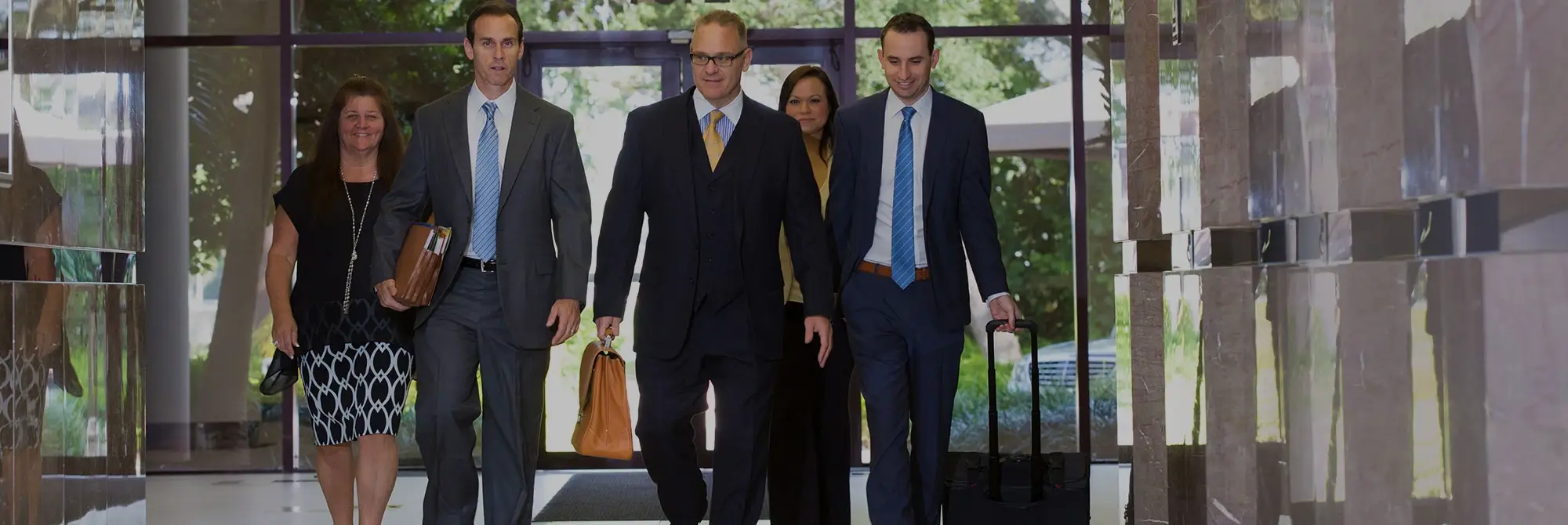
Tell us what happened
A lawyer will listen, tell you what Florida law does with those facts, and be straight with you about whether it is worth bringing. We are at 1111 Brickell Avenue, 11th Floor, Miami, FL 33131.