
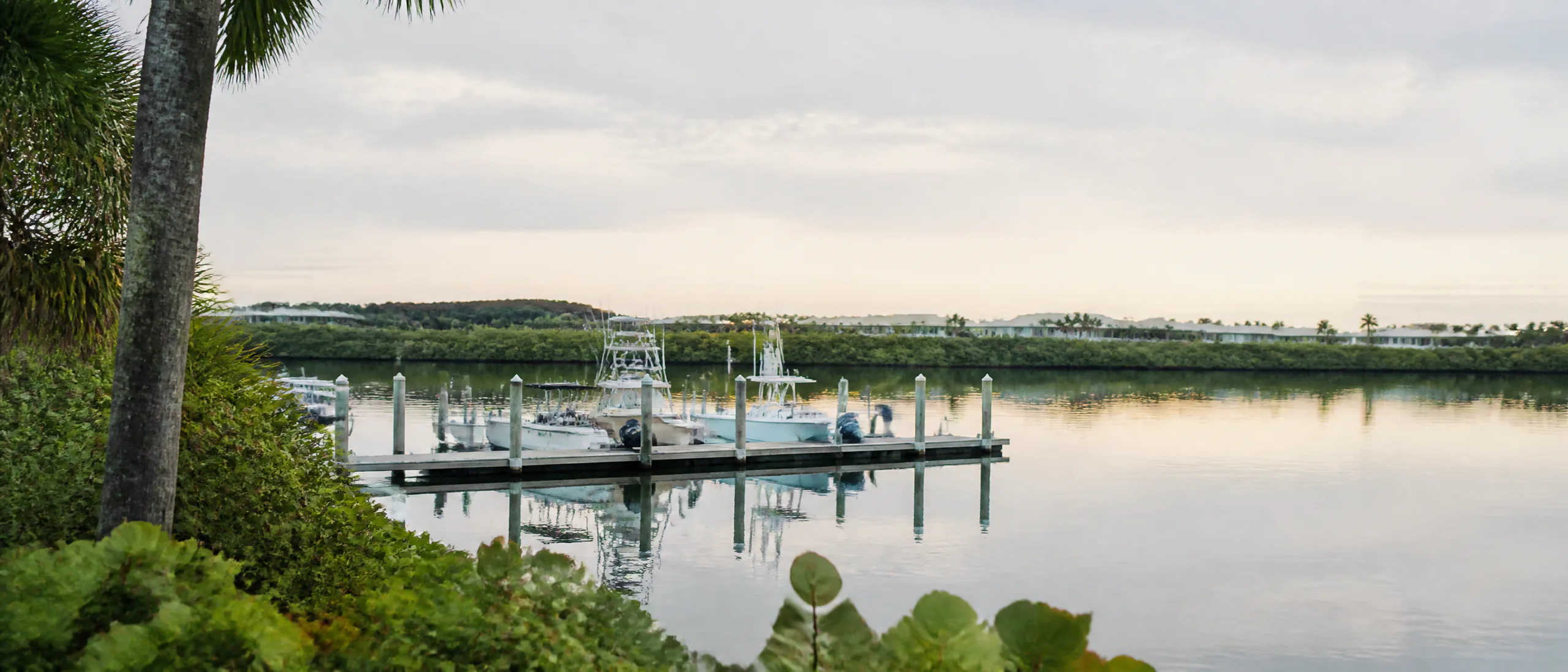
Miami Boat Accident Lawyer
A boat accident runs under maritime rules that can cap what an owner owes. We act before that window opens. We can take it from here. Call 844-643-7200 for a free consultation. You pay us nothing unless we win. Our Miami personal injury lawyers have taken these cases across Miami-Dade County since 1993.
Boat Accident claims in Miami
A crash on the water produces nothing like the police report a road crash does, and the witnesses leave on their own boats within hours. Meanwhile you are dealing with the injury, the lost work, and an owner whose story is settling into something convenient. Finding those witnesses while they can still be found is our job, and it starts the day you call.
Biscayne Bay carries recreational traffic, a large rental and charter fleet, commercial and cruise movements through Government Cut and a working river, all inside a few miles of each other. The claims reflect the mix. Sandbar gatherings put dozens of anchored boats and people in the water together, which is where propeller injuries happen. The port channel puts small vessels alongside ships whose wake and displacement have nothing in common with anything else on the bay. And a great deal of the fleet is rented by the day to visitors who have never operated a boat in these waters, which raises what checkout, instruction and safety briefing the livery actually provided.
Miami-Dade boating claims are filed in the Eleventh Judicial Circuit. Biscayne Bay combines heavy recreational traffic, commercial and cruise movements through Government Cut, sandbar gatherings and a large rental fleet handed to visitors. Most claims must be filed within two years, and the reporting duties are the operator’s.
What to do after a boat accident in Miami
- Get names and numbers before anyone leaves the water. Everybody aboard both vessels, and anybody nearby who saw it. This matters far more than after a road crash: there is no exchange of licenses at the roadside, no responding officer taking details as routine, and within twenty minutes every witness has motored off in a different direction and cannot be found again.
- Photograph both vessels and the registration numbers. The damage, the hull numbers, the name and homeport, the console, and anything about the conditions worth recording. A vessel gets repaired, repainted, renamed or sold, and unlike a car it does not sit in a yard waiting for anyone. Where it was a rental, photograph the craft, its number and the operator’s branding.
- Establish whether it was reported, and to whom. Boating accidents are reported to the state rather than to a local police department, and plenty are never reported at all. Find out which agency has it and get the incident number. Where nothing was reported, that is not the end of the case, but it does mean everything has to be built from the vessels, the marina, the charter paperwork and the people who were there.
- Keep every piece of paper the day generated. The charter agreement, the rental contract, the safety briefing sheet you signed, the receipt, the listing, the waiver. Where a rental or charter is involved these documents decide who is answerable and what they undertook, and they exist in one copy on a phone that gets replaced.
- See a doctor, and understand that nothing pays automatically. After a car crash your own policy covers the first bills whoever caused it. On the water it does not, and people delay treatment because of it, which then becomes the argument about how badly they were hurt. Go anyway, on health insurance, and let the coverage question be worked out afterward. Some marine policies carry limited medical payments cover and it is worth checking early.
Where these happen on the water in Miami
No other Florida county puts this many kinds of vessel in this little water, and the mix is what produces the claims here.
-
The sandbars
Shallow gatherings where dozens of boats anchor and people are in the water among them.
- Vessels under way among swimmers, which is where propeller injuries happen
- Anchoring, rafting and people moving between boats
- Alcohol aboard, and who else may answer for having served it
- Nobody keeping a lookout because everybody is socializing
-
Government Cut and the port channel
Recreational traffic sharing water with cruise ships, cargo movements and pilot boats.
- Wake and displacement from vessels far larger than anything else on the bay
- Channel rules and restricted areas that recreational operators regularly do not know
- Commercial operators, who carry their own logs, crew records and coverage
- Investigations by federal and state agencies whose files are a starting point rather than an answer
-
Rental and charter boats handed to visitors
A large livery fleet, frequently rented to somebody who has never operated a boat in these waters.
- What checkout, instruction and safety briefing the livery actually gave
- Whether the operator held the education credential Florida requires by age
- The condition of the vessel and the flotation equipment aboard it
- Charter captains, where a paid crew changes which rules apply
-
The Miami River and the inland waterways
A working river with commercial traffic, narrow reaches and a great deal of moored vessel activity.
- Commercial and recreational vessels in confined water
- Visibility, bridges and blind bends
- Marina and dock operations, which put a shoreside business in the claim
- Vessels operating at night without proper lighting
What causes them
- Excessive speed for the conditions, the traffic or the visibility
- Alcohol, where Florida applies the same limit on the water as on the road
- Wake taken badly, or thrown at a smaller vessel that could not absorb it
- Passengers not warned before a turn, a wake or a change of speed
- Collisions at inlets and passes, where traffic converges and the water is unforgiving
- Groundings on shoals that move between seasons and charts
The injuries we see, and what each one turns on
Head and brain injury
From being thrown, from striking the vessel, and from partial drowning where somebody went into the water. A brain injury requires neither a loss of consciousness nor an abnormal scan, and what follows shows up in memory, concentration, sleep and temper rather than on imaging.
Spinal injury from impact and from repeated slamming
A single hard landing can fracture vertebrae, and so can a sustained run through rough water where every wave lands through the spine. The second kind gets dismissed because there was no single moment, which is why what the passage was actually like needs describing while people still remember it.
Propeller injuries
Among the most severe injuries in this practice, and almost always involving somebody who was in the water. They cause deep lacerations, amputation and death, and the questions are where the engine was, whether it was shut down, what the operator could see and what was being done to keep track of people over the side.
What Florida law requires you to prove
What the operator owed everyone aboard
An operator owes passengers reasonable care in how the vessel is handled: speed for the conditions, how a wake is taken, keeping a proper lookout and warning people before a maneuver. That is why an injury with no collision at all is still an ordinary negligence claim, which surprises most people. Most claims arising on or after March 24, 2023 carry a two-year deadline under Fla. Stat. § 95.11, and fault is shared under Fla. Stat. § 768.81.
The report goes to the state, and it is often not made
Under Fla. Stat. § 327.30 the operator must report without delay, by the quickest means available, where there is a death, a disappearance, an injury needing treatment beyond immediate first aid, or apparent damage of at least $2,000. It goes to the Fish and Wildlife Conservation Commission’s law enforcement division, the sheriff or the municipal police, and the same section requires an operator to render practicable assistance and give their name, address and vessel identification. A failure to report does not end a claim. It means the case gets built from the vessels, the marina, the paperwork and the witnesses instead.
A rental business has duties of its own
Where the vessel was rented, the operator who caused the crash is one claim and the livery may be liable separately. Under Fla. Stat. § 327.54 a livery must give pre-rental instruction covering handling, safe operation, local waterway hazards and emergency procedures, may not rent to somebody who has not produced the boating safety identification the law requires of them, and may not rent a motorized vessel to anybody under 18. It must also carry liability coverage of at least $500,000 per person and $1 million per event, and either provide renter coverage or offer it and take a signed waiver. The instruction record, the agreement and the maintenance log decide it.
Alcohol, and who else may answer for it
Florida applies the same alcohol limit to operating a vessel as to driving, and it is a factor in a meaningful share of serious cases. Where drink was served aboard a charter or supplied by a commercial operator, that can put another party in the claim alongside the operator. It is worth establishing early what was served, by whom and to whom, because the people who could say are the same ones who scatter after the incident.
The full statutory detail, and the parts that differ by claim type, sit on our statewide boat accident page rather than being restated in every market.
How we prove it in Miami-Dade County
A Miami-Dade boating case is unusual in how much of the evidence sits with agencies rather than with the parties.
- The state boating accident report, and whether one was filed at all
- Coast Guard and wildlife commission investigation files, which establish what happened rather than who answers for it
- Registration and ownership for both vessels, photographed at the scene where possible
- The livery’s rental agreement, checkout record and safety briefing documentation
- Operator education credentials and any impairment testing that was carried out
- Names and numbers for everybody aboard both vessels, taken the same day
- Photographs of both hulls, the damage and the flotation equipment actually aboard
- Medical records, including for injuries that seemed minor at the dock
Get the names before the boats separate. Once two vessels leave a sandbar in different directions, the people who saw what happened are a phone number nobody took, and there is no roadway camera or traffic report to fall back on.
Who would handle your case
Being hurt in Miami is hard enough without working out the legal side on your own. The trial lawyers below have handled boat accident claims across Florida since 1993, and one of them will take yours from the first call to the last check. They will tell you what your case is worth and why, and they will be straight with you about the parts that are hard.
-
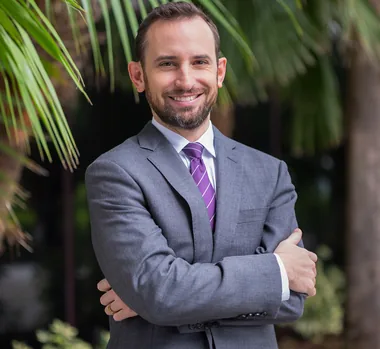 Brett J. Yonon Senior Trial Attorney Selected to Florida Super Lawyers in 2024 and 2025. Brett Yonon is who this firm puts on a catastrophic injury or a death in the family, and he has tried those cases to verdict. Full profile →
 -
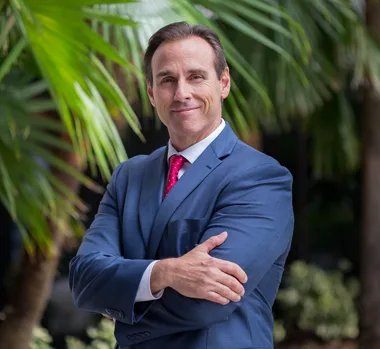 Richard P. Pravato Founding & Managing Attorney Board Certified in Civil Trial Law by The Florida Bar since 2004, and by the National Board of Trial Advocacy. Injury cases exclusively since 1996. Full profile →
What the other side says about a boating claim
Marine claims are handled by adjusters who know that most of the evidence goes home on other people’s boats. The arguments below all depend on that.
- There was no collision, so there is no claim
- An operator owes passengers reasonable care in how the vessel is handled, and injuries with no impact between vessels are among the most common in this practice: a wake taken badly, a turn with no warning, a run through rough water at a speed the conditions did not allow. The absence of a crash usually means there is no report either, which is why witness details taken on the day matter more here than anywhere.
- You knew boating was dangerous
- Accepting the ordinary risks of being on the water is not accepting that an operator will run at an unsafe speed, keep no lookout or say nothing before a maneuver. Florida divides the blame rather than barring a claim, so even where a passenger bears some responsibility it reduces a recovery instead of ending it.
- You signed a waiver
- Charters and liveries hand these out routinely and their reach is narrower than the language suggests. Enforceability depends on the wording and on what is actually being excused, and Florida limits how far a business can contract out of its own negligence. Have the document read rather than a summary of it taken over the phone.
What a claim can include
Lost income and lost earning capacity
Wages missed, and separately what somebody can no longer earn. Where a hand, a leg or the ability to concentrate is affected, the second figure is usually much larger.
Pain, suffering and loss of the ability to enjoy life
The head of loss an early offer prices lowest, because it is the one with no invoice attached.
Scarring and disfigurement
A separate claim after a propeller injury or a burn. Photograph the healing as it happens, because a record of what it looked like at three weeks does not exist unless somebody made it.
Why Wolf & Pravato in Miami
A Miami-Dade boating claim is filed in the Eleventh Judicial Circuit at the Miami-Dade County Courthouse, and the firm has an office on Brickell Avenue rather than a mailing address here. Working out whether a claim runs against an operator, an owner, a livery, a charter business or a commercial vessel is the first phase of these files, and it is done from registrations and agency reports.
The firm is led by a Board Certified Civil Trial lawyer, a certification held by 861 attorneys in Florida against a membership over 109,000. Insurance companies keep their own records of which firms in a county actually try cases, and that record moves an offer further than anything a firm can say about itself.
There is no charge to ask. Our fee comes out of what we recover and nowhere else, and if the answer is that you do not have a case, that is the answer you will get.
Miami boat accident questions
We rented the boat. Does that make it our fault?
Not on its own. A livery has duties of its own about who it hands a vessel to, what instruction it gives and what condition the boat is in, and Florida requires operators of certain ages to hold a boating education credential. Where somebody was rented a boat with no meaningful checkout and no briefing, that is part of the claim rather than a bar to it.
A big ship’s wake threw us. Is there anything to be done?
Possibly, and it turns on where you were and what the vessel was doing. Commercial operators keep logs, carry crew records and are insured at a level nothing recreational comes close to. It also matters whether you were in a channel or a restricted area, which the charts settle. It is worth having assessed rather than assumed to be nobody’s fault.
I signed a waiver when I rented the boat. Is my claim over?
Not necessarily. Waivers are common and they are frequently narrower than they appear, and their enforceability depends on the wording, the circumstances and the conduct being excused. Bring us the agreement rather than assuming it ends the matter.
Does maritime law mean I cannot sue in Florida?
No, but it can change which rules apply, what damages are available and which deadlines govern. Whether maritime law applies turns on the location and the vessel. Establishing that early is what stops a claim being brought on the wrong footing.
The questions that come up on every kind of claim, deadlines, fees, recorded statements and fault, are answered on our Florida injury claim FAQ.
More in Miami
Miami Personal Injury Lawyer
Everything we handle in Miami-Dade County, and where our office is.
View →Miami Car Accident Lawyer
Florida car accident lawyers since 1993.
View →Miami Truck Accident Lawyer
Florida truck accident lawyers.
View →Miami Motorcycle Accident Lawyer
Florida motorcycle accident lawyers.
View →
Tell us what happened
A lawyer will listen, tell you what Florida law does with those facts, and be straight with you about whether it is worth bringing. We are at 1111 Brickell Avenue, 11th Floor, Miami, FL 33131.