

Fort Myers Bad Faith Insurance Lawyer
A bad faith insurance claim starts by putting the insurer formally on notice, which starts a clock. We serve it and run it. We can take it from here. Call 833-370-8692 for a free consultation. You pay us nothing unless we win. Our Fort Myers personal injury lawyers have taken these cases across Lee County since 1993.
Bad Faith Insurance claims in Fort Myers
The carrier has a file, a timeline and a written reason for what it did, and none of it has been shown to you. Meanwhile the repair is not happening, the money is not arriving, and the letters keep asking for documents you have already sent twice. Making them answer in writing is our job, and it starts the day you call.
The pattern here is an injury claim where the coverage was never really in doubt and the payments simply stop: a carrier that authorized six weeks of treatment and then declined the seventh without a medical reason, or valued a shoulder against a template rather than against the records in front of it. Southwest Florida is also a market with a great many retirees, which means health insurers, Medicare supplements and medical payments coverage are in the mix alongside the auto policy, each with its own idea of who should be paying. Sorting out which of them actually owed the money is usually the first piece of work, and it is answered from the claim file rather than from what anybody says on the phone.
The Lee County pattern is an insurer that authorized treatment and then stopped, usually without a medical reason anybody will put in writing. This county also skews older than most of Florida, so a Medicare plan, a health insurer and an auto carrier are frequently arguing about which of them owed the money while the treatment goes unpaid.
What to do when an insurer will not pay
- Ask for the complete claim file in writing. Adjuster notes, the activity log, every report the carrier commissioned and the internal valuation. Ask by letter or email so there is a record of the request and the date. What is in that file, and what is missing from it, is most of a bad faith case. A carrier that investigated properly has a file that shows it, and a carrier that did not has one that shows that instead.
- Move the whole conversation into writing. Phone calls leave the carrier’s note and nothing of yours. From here on, confirm every call by email the same day: who you spoke to, what they said, what they asked for and what they promised. It takes four lines. Six months later, that sequence of emails is the timeline, and the timeline is what makes a delay look like a decision rather than an accident.
- Send what they ask for, and keep proof you sent it. Requests for documents already supplied are one of the recurring patterns here, and the answer is not to refuse. Send it again, note that it was previously provided on a date, and keep the transmission record. A carrier repeatedly asking for what it already has builds your file rather than yours falling apart.
- Know which clock you are on. An injury claim, an uninsured motorist claim and a statutory bad faith claim each run on different deadlines, and the bad faith claim generally cannot even be brought until the underlying coverage and amount have been settled. Establishing which applies is the first hour of work, because a strong claim that missed a notice deadline is not a claim.
- Do not wait for the carrier to reconsider. Waiting is the one approach that only helps the insurer. Nothing about a file sitting open improves with time: the deadlines shorten, the memories go, the adjuster changes and the loss gets harder to document. If a claim has been open for months without a decision, or with a decision that does not match what the loss actually cost, that is the point to have it looked at.
Where these disputes come from in Fort Myers
The disputes we are brought into here are rarely about whether coverage existed. They are about payments that started and then stopped, and about several payers each pointing at the other while somebody goes without treatment.
-
Valuations produced without reading the file
A number generated against a template, sent out over the name of somebody who never opened the treating records.
- What the treating physicians actually wrote, against the figure the carrier produced
- Whether any medical review was obtained, and whether it was ever disclosed
- How long the claim sat between the demand and a response with a number attached
- Whether the adjuster changed three times, which the activity log shows
-
Treatment authorized, then quietly declined
The pattern that brings most people here: six weeks approved, the seventh refused, and nobody willing to say why.
- The date authorization stopped, and what changed in the file that day
- Whether a physician reviewed it, and whether that review was ever produced
- Requests for records the carrier already held, sent again to restart the clock
- The gap in treatment that follows, which the same carrier later points at
-
A retiree market, and several insurers at once
Lee County skews older than most of Florida, so an ordinary injury claim frequently involves three payers arguing about which of them owed the money.
- Medicare and Medicare Advantage plans, with their own repayment rights
- Medical payments coverage on the auto policy, which people forget they bought
- Health plans that deny on the basis that an auto carrier should be paying
- Out-of-state policies held by residents who live here for part of the year
-
Liability carriers that would not settle inside the limits
The other half of this practice, and the one that turns a small policy into a large exposure.
- Whether a genuine chance to settle within the limits was offered and refused
- What the carrier knew about the injury at the point it declined
- Whether it told its own insured about the demand, which it is supposed to do
- The judgment that followed, and how far above the limits it landed
What insurers do that the statute addresses
- Ignoring the carrier’s own medical review when it favored the claim
- Failing to acknowledge, investigate or decide within the periods the regulations set
- Paying an amount well below what the treatment actually cost
- Misstating what the policy covers, or relying on an exclusion that does not apply
- Making payment conditional on something the policy does not require
What an insurer’s delay actually costs
The original injury, made worse
Where delayed care allowed a treatable condition to become a permanent one, that deterioration is part of what the conduct caused. It requires medical evidence linking the delay to the outcome rather than an assertion, which is why the treating physicians are asked about it while it is happening rather than years later.
A judgment above the policy limits
The classic consequence, and the one that turns a capped claim into an uncapped one. Where a carrier had a real chance to settle within its insured’s limits and refused, and a judgment then lands above them, the shortfall becomes the carrier’s problem rather than the policyholder’s. It is also the outcome the carrier is trying hardest to avoid, which is what gives an early demand its leverage.
Treatment that stopped because nothing was paying for it
The most common real-world harm and the least visible in a claim file. Somebody stops going to physical therapy, defers a procedure or does not fill a prescription because there is no way to pay, and the medical record then shows a gap the same carrier later points at. The gap and the reason for it are documentable, and documenting them at the time is far easier than explaining them afterward.
What Florida law requires you to prove
The notice comes first, and the carrier gets 60 days
A statutory bad faith claim runs under Fla. Stat. § 624.155, and it starts with a civil remedy notice filed with the Department of Financial Services and served on the insurer. The notice is a condition precedent: no action lies until 60 days have passed, and none lies at all if the carrier pays or corrects the problem inside that window. Many do, which is the fastest good outcome available. It has to identify the statutory provisions, the facts and the policy language relied on, so a vague one hands the carrier an argument it should never have had.
What has to be shown, and what is not enough
The core ground is an insurer not attempting in good faith to settle a claim when, under all the circumstances, it could and should have done so had it acted fairly and honestly toward its insured and with due regard for their interests. It also reaches the unfair claim settlement practices listed in Fla. Stat. § 626.9541. Since 2023 it says plainly that mere negligence alone is insufficient, which raised the bar and did not remove it. A carrier that ignored its own file rather than mishandled it is still squarely inside the section.
The insurer has a way out, and so do you
Under the same statute a bad faith action does not lie where the insurer tenders the lesser of the policy limits or the amount demanded within 90 days of receiving actual notice of a claim supported by sufficient evidence. That is the safe harbor, and it is why the first demand is written carefully rather than casually. The statute also puts a duty of good faith on the insured and the claimant, and lets the trier of fact reduce damages where it was not met. Both directions matter before the first letter goes out.
The full statutory detail, and the parts that differ by claim type, sit on our statewide bad faith insurance page rather than being restated in every market.
How we prove it in Lee County
These cases are proved out of the insurer's own file rather than out of how the claim felt, which is why the first request is always the same one.
- The complete claim file and the activity log, including the entries between the phone calls
- Every medical review the carrier obtained, including the ones it did not act on
- The policy as issued, with the uninsured motorist and stacking elections
- The dated record of what was demanded, what was sent and what came back
- The treating physicians' opinions, against whatever number the carrier produced
- Correspondence showing when authorization stopped and on what stated basis
- The civil remedy notice, drafted to the statute rather than filed as a formality
The 60 days that notice buys the insurer is not a delay. A meaningful number of these claims get paid inside it, which is the statute working as intended and the client having the money.

Who would handle your case
Being hurt in Fort Myers is hard enough without working out the legal side on your own. The trial lawyers below have handled bad faith insurance claims across Florida since 1993, and one of them will take yours from the first call to the last check. They will tell you what your case is worth and why, and they will be straight with you about the parts that are hard.
-
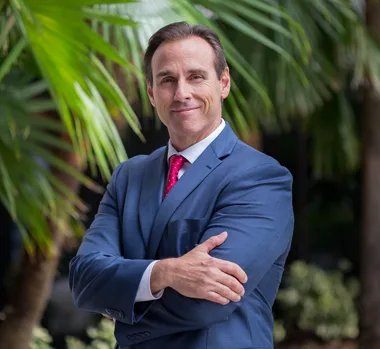 Richard P. Pravato Founding & Managing Attorney Board Certified in Civil Trial Law by The Florida Bar since 2004, and by the National Board of Trial Advocacy. Injury cases exclusively since 1996. Full profile →
 -
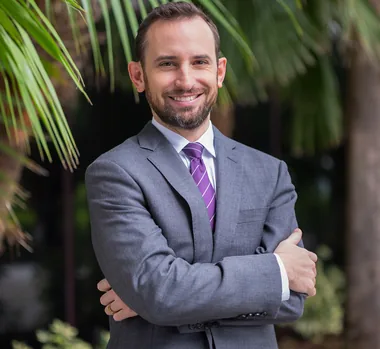 Brett J. Yonon Senior Trial Attorney Selected to Florida Super Lawyers in 2024 and 2025. Brett Yonon is who this firm puts on a catastrophic injury or a death in the family, and he has tried those cases to verdict. Full profile →
What a carrier says once you push back
Everything above describes what a carrier did. This is what it says once somebody stops accepting it, and none of these answers is the end of a conversation.
- The claim is still under review
- For how long, and against what? Florida sets periods for acknowledging, investigating and deciding a claim, and an open file is not the same as an active one. The claim log shows what was actually done between the calls, which is frequently nothing. A file described as under review for months with no entries in it is not a defense, it is the evidence.
- The limits are only $10,000, so that is all there is
- Sometimes true and worth testing rather than accepting. Where the carrier had a genuine opportunity to settle inside those limits and did not take it, a judgment above them can be pursued against the carrier itself. There may also be other policies: an umbrella, an employer’s coverage if the driver was working, or uninsured motorist coverage on your own household policy.
- We are paying, but only if you sign this release
- Read what it releases. A release covering the handling of the claim, and not only the loss, ends a bad faith claim you may not have known you had. Carriers paying late sometimes attach exactly that. Asking is not improper. Signing it unread is the expensive part.
What a claim can include
Medical consequences of delayed care
Where treatment stopped because nothing was paying and a condition worsened as a result, that deterioration is part of what the handling caused, proved through the treating physicians.
Attorney fees and costs where the statute allows
Recoverable in defined circumstances, and Florida has changed the rules on insurance fee awards more than once in recent years. Which version applies depends on the policy and the date, and it is checked rather than assumed.
The full amount the claim was actually worth
Starting with what should have been paid under the policy in the first place, which is where every one of these cases begins.

Why Wolf & Pravato in Fort Myers
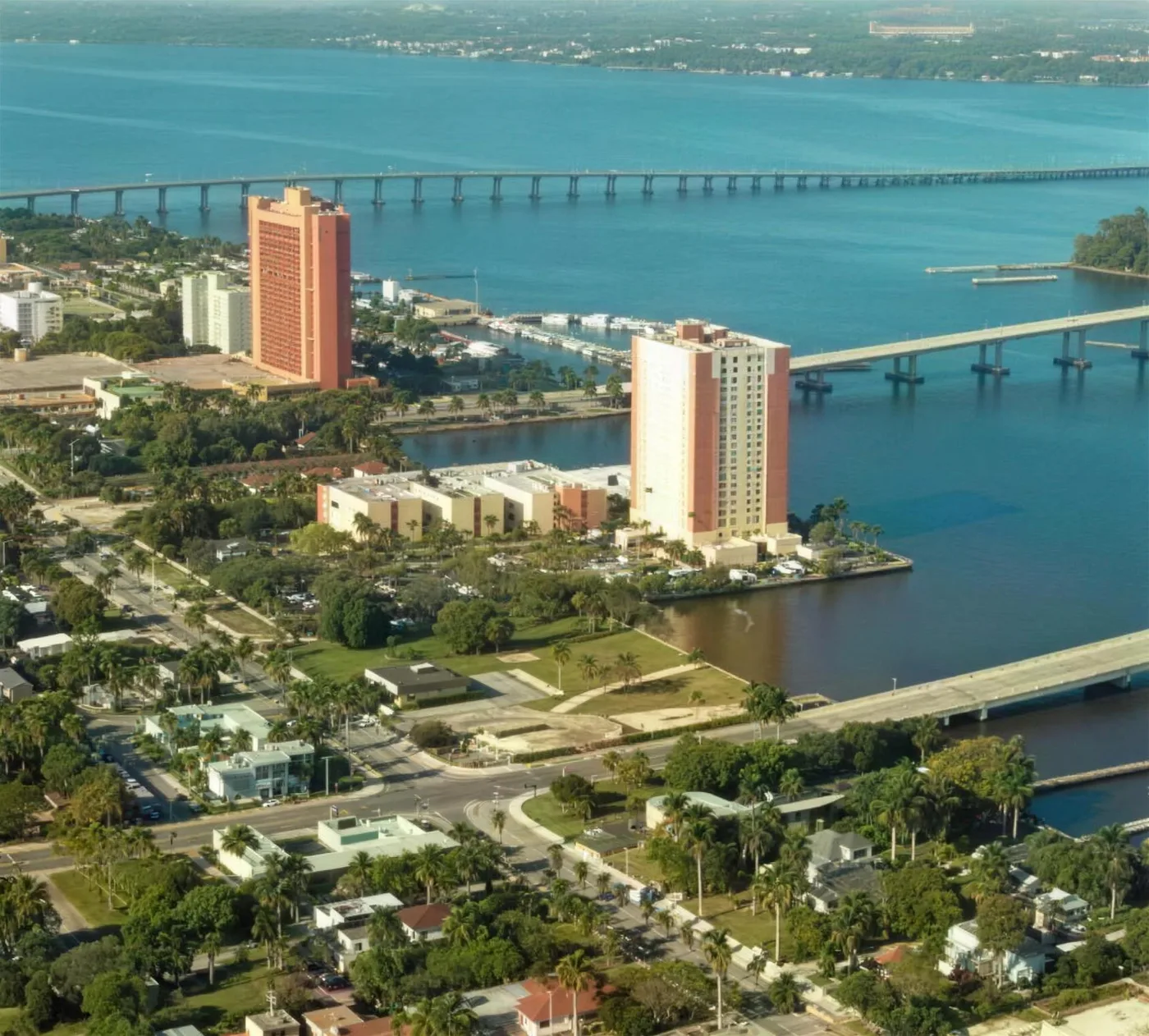
A Lee County bad faith case is filed in the Twentieth Judicial Circuit at the Lee County Justice Center, and the firm has an office on Colonial Boulevard in Fort Myers rather than a referral arrangement with somebody here. Reading a claim file properly and drafting a notice that actually names what was done wrong is a first-meeting job, and it is what decides whether the carrier fixes it inside the 60 days.
Richard Pravato is one of 861 lawyers Board Certified by The Florida Bar in Civil Trial law, out of a membership over 109,000. The certification is about trial experience rather than advertising spend, and it is the part of a firm’s record that an insurance company checks.
Nothing is charged for the first conversation and nothing is charged at all unless there is a recovery. If we do not think you have a claim, we would rather tell you now than a year from now.
Fort Myers bad faith insurance questions
My insurer paid for months and then just stopped. Can they do that?
Only with a reason they can stand behind. A carrier that authorized treatment and then declined it has to be able to point at something, usually a medical review, and it has to have actually read the records. Where the file shows a decision made without one, or a review the carrier then ignored, that is the basis for a civil remedy notice, which gives the company 60 days to put it right before anybody sues.
Why is my own insurance company fighting me on an uninsured motorist claim?
Because it is a claim against your insurer's own money, so it adjusts it the way it adjusts any other claim. It still owes you duties of good faith it does not owe a stranger, and those are enforceable. Where the file shows a carrier ignoring its own medical review or delaying without a stated reason, that is what a civil remedy notice is for.
Can I still bring a claim if I already signed something?
Possibly, and it depends entirely on what the document said. A release covering the injury is different from one covering how the claim was handled, and the two are not always distinguished clearly in what a carrier sends. Bring the document. What was signed, and what it actually released, is answerable by reading it rather than by guessing at it.
The policy limit is far too low for my injuries. Is anything possible?
Sometimes, and this is where bad faith becomes important. If the insurer had a reasonable opportunity to settle within the limit and failed to take it, its exposure may extend beyond that limit. It depends heavily on what was offered, when, and how the insurer responded.
Can I bring this against the other driver’s insurer?
Third party bad faith is recognized in Florida but it is different from a claim against your own insurer, and it typically arises after a judgment exceeds the available coverage. Which route applies depends on the posture of the underlying case, which is worth working through early.
The questions that come up on every kind of claim, deadlines, fees, recorded statements and fault, are answered on our Florida injury claim FAQ.
More in Fort Myers
Fort Myers Personal Injury Lawyer
Everything we handle in Lee County, and where our office is.
View →Fort Myers Workers Compensation Lawyer
Florida workers compensation lawyers.
View →Fort Myers Dog Bite Lawyer
Florida dog bite lawyers.
View →Fort Myers Bicycle Accident Lawyer
Florida bicycle accident lawyers.
View →
Tell us what happened
A lawyer will listen, tell you what Florida law does with those facts, and be straight with you about whether it is worth bringing. We are at 1825 Colonial Blvd, Fort Myers, FL 33907.