

Fort Myers Workers Compensation Lawyer
A workplace injury can carry a compensation claim and a separate claim against somebody else. We pursue both at once. We can take it from here. Call 833-370-8692 for a free consultation. You pay us nothing unless we win. Our Fort Myers personal injury lawyers have taken these cases across Lee County since 1993.
Workers Compensation claims in Fort Myers
The carrier picks the doctor, decides what is covered, and can stop your checks while you wait. Meanwhile the rent is due, the light duty you were promised does not exist, and nobody has mentioned that somebody other than your employer may also owe you. Sorting out both claims is what we do, from the first call.
Southwest Florida has been in a sustained construction and re-roofing cycle, and that is reflected in the injuries: falls from roofs and ladders, scaffold collapses, heat illness and equipment injuries. Two things follow. First, on a construction site the party responsible is frequently a general contractor or another sub rather than the injured worker's own employer, which means a third-party claim that comp cannot reach. Second, carriers in this market lean hard on the argument that an injury is a pre-existing degenerative condition rather than an accident, which is answered with imaging and treating physicians rather than argument.
A Lee County compensation claim pays authorized medical care and a portion of lost wages regardless of fault, and it is generally the only claim against your own employer. Where another company on a site caused the injury, a separate negligence claim runs alongside and pays for pain, which compensation does not. Report the injury to your employer promptly and in writing.
What to do after a workers compensation in Fort Myers
- Report it to your employer, in writing, and keep the message. Florida gives an injured worker a short window to report a workplace injury, counted from the day of the accident rather than from the day it turned serious. Tell a supervisor, then send a text or an email the same day so the date is fixed. A late report is the most common reason a carrier denies a claim, and a message sent that afternoon closes the argument before it starts.
- Say the words “this happened at work” at every medical visit. Not once, and not only to the first person who asks. The chart is what connects the injury to the job, and a record that describes a shoulder problem without saying how it started is the single most useful document a carrier can be handed. If you go to an emergency room before anything is authorized, say it there too.
- Go to the authorized doctor, even if you would rather not. The employer and its insurer choose the treating physician, which is a real constraint rather than a suggestion, and missing appointments with that doctor damages a claim quickly. You do have one change of physician during the claim. It is worth understanding how that works before using it, because it can only be spent once.
- Keep your own record alongside theirs. Dates of appointments, what you were told, what work restrictions were written, mileage to and from treatment, and every letter that arrives. Claims are decided months later on paperwork, and the worker who kept a simple diary is in a far better position than the one relying on memory and on a file held by the other side.
- Ask before you accept anything called a settlement. A lump sum in a comp claim usually closes future medical care as well as wage benefits, permanently. That can be the right decision and it is frequently made without anybody explaining what is being given up, or what happens to the money if Medicare has an interest in it. There is no cost to having the numbers looked at first.
Where these happen in Fort Myers
Lee County’s workforce changes size with the season and a great deal of it is employed through agencies rather than directly, which affects who a claim actually runs against.
-
Landscaping, tree and grounds work
One of the largest employer groups on this coast and one of the most dangerous trades in it.
- Falls from height and from equipment, and struck-by injuries from cutting work
- Blade, chipper and mower injuries to hands and feet
- Crews working on property owned by somebody else, which frequently opens a second claim
- Small employers with thin records, where an absence of documentation cuts both ways
-
Restaurants, hotels and resorts
The seasonal employer base, where the workforce doubles for part of the year and the injuries follow it.
- Burns, cuts and falls on wet kitchen and service floors, frequently reported late
- Cumulative shoulder and back injuries from carrying, cleaning and setting up
- Seasonal employment, where the average weekly wage calculation itself becomes the argument
- Workers who leave the state at the end of the season while a claim is still running
-
Agriculture in the eastern county
The farming and nursery operations inland, where the work is outdoors and the distances are long.
- Heat illness, which is predictable in this work and treated as unavoidable
- Machinery injuries, often on equipment belonging to somebody other than the employer
- Chemical and pesticide exposure, where the harm develops over time rather than on a date
- Long distances to care, including to whichever physician the carrier later authorizes
-
Staffing agencies and seasonal hiring
A large share of the workforce here is placed by an agency rather than hired directly, which changes who the claim runs against.
- The employer of record, which is the agency, and which is who the exclusive remedy protects
- The company actually directing the work, which may be answerable in negligence
- Assignment records and time sheets, which document who sent whom where
- Coverage that the agency says exists and the site says it relied on
What causes them
- Machinery injuries, including caught-in and crushing injuries to hands and arms
- Motor vehicle collisions while driving for work, which produce a compensation claim and a separate claim against the other driver
- Heat illness on outdoor work in a Florida summer, which is preventable and treated as unavoidable
- Violence at work, including assaults on health care, retail and hospitality staff
- Exposure to chemicals, fumes and dust, where the harm develops over time rather than on a date
The injuries we see, and what each one turns on
Head injuries
A fall or a struck-by injury does not have to knock somebody out to injure the brain, and a normal scan does not rule one out. On a job it shows up first as a person being unable to do work they have done for years. Neuropsychological testing and treating records are what prove it, not the scan taken on the day.
Catastrophic injury and death
Amputation, paralysis, burns and permanent cognitive injury bring permanent total disability into play, which is its own set of rules. Where a worker is killed there are compensation death benefits through the employer and, separately, a wrongful death claim against anybody else responsible, brought by the personal representative of the estate.
Backs and necks, and the phrase that decides them
The most common serious comp injury and the most commonly denied. Florida requires the workplace accident to be the major contributing cause of the injury and of the need for treatment, and because nearly every adult spine shows wear on imaging, that is where the fight happens. What answers it is the difference in function before and after, documented by a treating physician, and a treatment record with no unexplained gaps.
What Florida law requires you to prove
Major contributing cause, which is the phrase the system turns on
Florida does not simply ask whether work contributed to an injury. Under Fla. Stat. § 440.09 the workplace accident has to be the major contributing cause of the injury and of the need for treatment, judged against all other causes combined. It is the provision behind most denials, and it is why a carrier goes looking for a prior injury, an old scan or a weekend activity before it decides anything.
What the benefits are, and what they are not
Compensation pays authorized medical care and a portion of lost wages regardless of who was at fault, and in exchange it is generally the exclusive remedy against your own employer under Fla. Stat. § 440.11. Wage benefits under Fla. Stat. § 440.15 are a fraction of the average weekly wage rather than the whole, temporary benefits are capped in duration, and impairment benefits after maximum medical improvement are set by a rating rather than by what the injury cost you. Nothing in the system pays for pain, and nothing pays the difference between two thirds of a wage and the rent.
The doctor, the deadlines, and what happens when a claim is denied
The employer and carrier authorize the treating physician under Fla. Stat. § 440.13, which also gives an injured worker one change of physician during the claim, requested in writing, with the carrier then selecting the replacement. The injury has to be reported to the employer promptly under Fla. Stat. § 440.185. A denial is not the end: a petition for benefits goes to a judge of compensation claims, mediation comes first, and the process is designed to be used rather than admired.
The full statutory detail, and the parts that differ by claim type, sit on our statewide workers compensation page rather than being restated in every market.
How we prove it in Lee County
Two things move faster in Lee County than a compensation claim does: the season, and the workforce. Both are reasons to gather names and records early rather than when a hearing is set.
- The written report of the injury and the date it was made
- The complete medical record, including the first visit, and a physician who addresses causation directly
- The employer of record, particularly where a staffing agency placed you
- Names and contact details for co-workers, since a seasonal workforce disperses within months
- Payroll records for the average weekly wage, which in seasonal work is regularly disputed
- Assignment records and time sheets where an agency and a host company are both involved
- Equipment ownership and property records where somebody other than the employer may be responsible
- Prior medical records, which generally establish what you could do before
Where the work was placed through an agency, establishing which company employed you and which company directed you is the first task rather than a detail. The answer decides whether there is one claim or two.

Who would handle your case
Being hurt in Fort Myers is hard enough without working out the legal side on your own. The trial lawyers below have handled workers compensation claims across Florida since 1993, and one of them will take yours from the first call to the last check. They will tell you what your case is worth and why, and they will be straight with you about the parts that are hard.
-
 Richard P. Pravato Founding & Managing Attorney Board Certified in Civil Trial Law by The Florida Bar since 2004, and by the National Board of Trial Advocacy. Injury cases exclusively since 1996. Full profile →
 -
 Brett J. Yonon Senior Trial Attorney Selected to Florida Super Lawyers in 2024 and 2025. Brett Yonon is who this firm puts on a catastrophic injury or a death in the family, and he has tried those cases to verdict. Full profile →
How insurance companies handle these claims
A compensation carrier is not deciding whether to pay. It is deciding how much and for how long, and almost every step below is aimed at one of those two questions rather than at whether you were hurt.
- Denied, because the accident was not the major contributing cause
- The standard denial, and it usually arrives after somebody has found a prior injury or a degenerative finding on a scan. Almost every adult has those findings, and their presence proves very little on its own. What answers it is a treating physician who addresses causation directly, in those words, and a clear account of what you could do before and cannot do now.
- A recorded statement about everything except the accident
- The questions move quickly from what happened to what you did in a previous job, which sports you played and what your doctor treated you for eight years ago. That is causation groundwork rather than curiosity. Answering about the accident is ordinary; a broad medical history taken by an adjuster on the phone is not.
- A lump sum, to close the file
- A settlement in a comp claim generally closes future medical care as well as wage benefits, permanently, and where Medicare has an interest the money may need to be set aside for future treatment rather than spent. It can be the right decision. It should not be the first one, and it should not be made without somebody putting a number on the care you are likely to need.
What a claim can include
What compensation does not pay, and who might
Nothing for pain, and nothing for the gap between a fraction of your wage and your actual bills. Where somebody other than your employer caused the injury, a separate negligence claim against them covers both, and it runs alongside the compensation claim rather than instead of it.
What a family may recover after a death
Compensation death benefits and funeral expenses through the employer, and separately a wrongful death claim against anybody else responsible, brought by the personal representative of the estate.
Authorized medical care
Treatment, surgery, therapy, prescriptions and mileage to and from appointments, with the physician chosen by the employer and its carrier. The mileage is small and is claimed by almost nobody.

Why Wolf & Pravato in Fort Myers
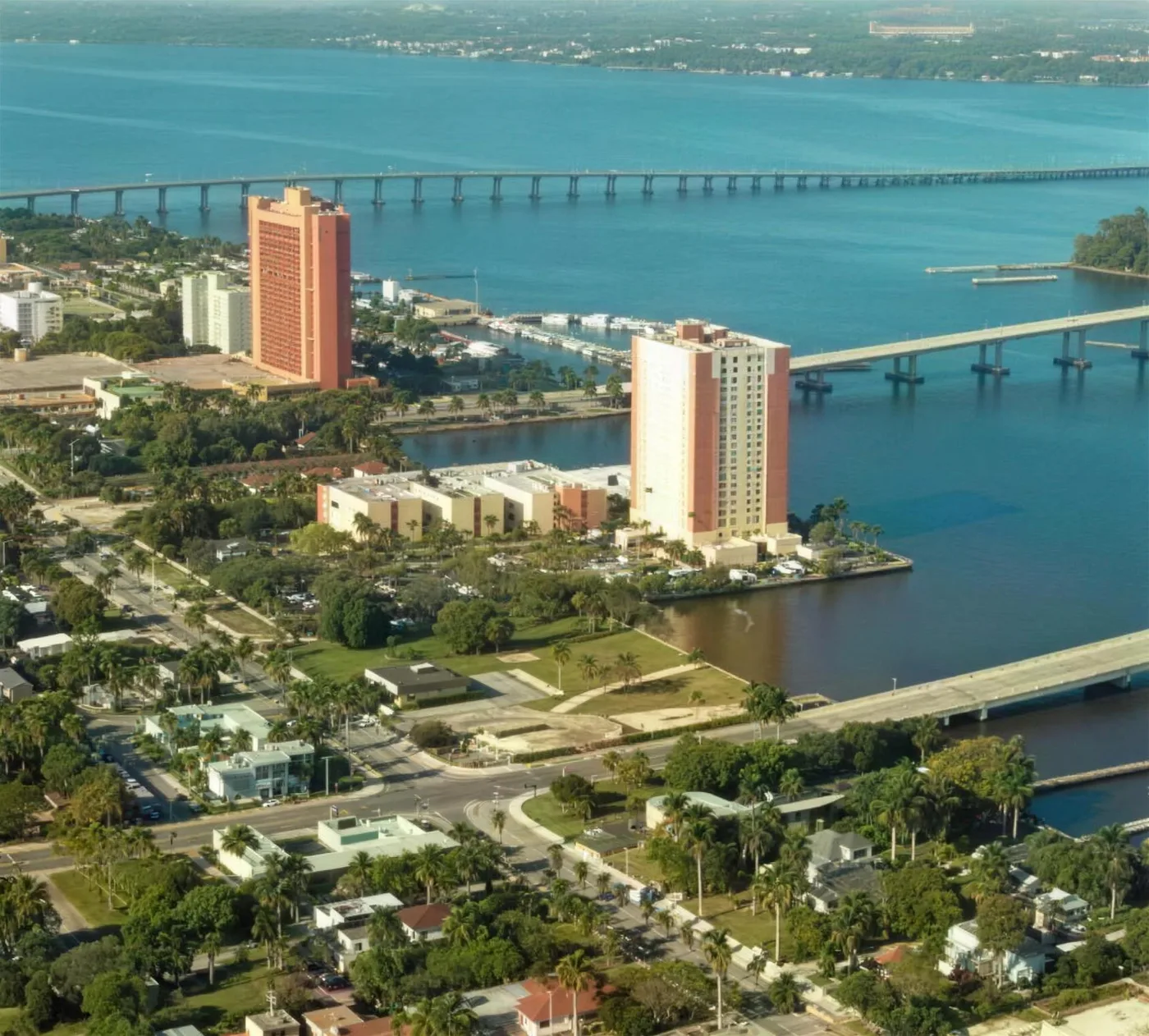
The firm has an office on Colonial Boulevard in Fort Myers rather than a referral arrangement with somebody here. Compensation claims are heard by a judge of compensation claims with mediation first, and where another company is also responsible that case is filed in the Twentieth Judicial Circuit at the Lee County Justice Center.
Richard Pravato is one of 861 lawyers Board Certified by The Florida Bar in Civil Trial law, out of a membership over 109,000. The certification is about trial experience rather than advertising spend, and it is the part of a firm’s record that an insurance company checks.
Nothing is charged for the first conversation and nothing is charged at all unless there is a recovery. If we do not think you have a claim, we would rather tell you now than a year from now.
Fort Myers workers compensation questions
I fell on a job site working for a subcontractor. Who is liable?
Compensation covers you through your own employer regardless of fault. Separately, the general contractor, the site owner, another subcontractor or an equipment supplier may be liable in negligence if their conduct caused the fall, and that claim pays for pain and suffering while compensation does not. Florida’s rules on when a general contractor is shielded are technical, so it is worth having the site’s contractual structure looked at rather than assumed.
I work through a staffing agency. Who do I claim against?
The agency is usually your employer of record, which is who the compensation claim runs against and who you generally cannot sue. The company that was actually directing the work may still be answerable in negligence, which would be a second claim paying for pain and full wage loss. Assignment records and the agreement between the two companies are what settle it, and both we can get.
My season ends soon and I may leave the state.
It does not end the claim, and a compensation claim for an injury that happened in Florida stays in Florida wherever you live. What is worth doing before you go is getting names and numbers for co-workers who saw it, making sure the medical record is complete, and having somebody local able to receive the paperwork. Hearings and mediations can generally be attended remotely.
My claim was denied. What now?
A denial is not the end. You file a Petition for Benefits with the Office of the Judges of Compensation Claims, and there is a two-year deadline from the date of injury to do it. Denials are frequently reversed, and the reasons given are often procedural rather than substantive.
Do I have to use the doctor my employer chose?
Within the comp system, treatment generally has to be authorized, and the carrier directs care. There are procedures for requesting a change of physician, and they have their own timing requirements. This is one of the areas where an unrepresented worker most often loses ground without realizing it.
The questions that come up on every kind of claim, deadlines, fees, recorded statements and fault, are answered on our Florida injury claim FAQ.
More in Fort Myers
Fort Myers Personal Injury Lawyer
Everything we handle in Lee County, and where our office is.
View →Fort Myers Motorcycle Accident Lawyer
Florida motorcycle accident lawyers.
View →Fort Myers Slip and Fall Lawyer
Florida slip and fall lawyers.
View →Fort Myers Pedestrian and Bicycle Lawyer
Florida pedestrian and bicycle accident lawyers.
View →
Tell us what happened
A lawyer will listen, tell you what Florida law does with those facts, and be straight with you about whether it is worth bringing. We are at 1825 Colonial Blvd, Fort Myers, FL 33907.