Florida Dangerous Dog Law: What It Means if That Dog Already Bit Someone
 By Brett J. Yonon, Florida Super Lawyers, 2024 and 2025 Published November 6, 2026
Under Florida's dangerous dog law, the dog that bit you may already have a record. The dog's owner will say it has never done this before. Animal control may hold a file that says otherwise, and that file is worth $100,000 to you.
A county forces that insurance onto any dog it declares dangerous. A dog's owner who never faced a county hearing often has nothing but a homeowners policy. Some of those policies leave the dog out by name. The adjuster reading your file has handled hundreds of dog claims and has resources you do not.
Bite victims call us with one question: does the dog's record help me get paid? A record helps. It proves the county already knew what the dog was, and it usually means a policy has to exist.
Most dogs that bite somebody in Florida have never been declared anything. The dog's owner still pays, because Florida's dog bite statute makes an owner pay no matter what the dog did before. A county ruling changes the money, not the blame.
I will walk you through it in the order it happens to you, so by the end you will know whether the county already has a file on this dog, how the bite gets recorded, which policy actually pays you, and the two deadlines that decide the claim.
If you wait 12 months, the pen has been fixed and the neighbor who called animal control has moved. I am Brett Yonon. I represented insurers for nearly two decades before I moved my practice to injured people. In Miami most of these claims come out of a homeowner or renter policy.
Key takeaways
- A dog Florida has declared dangerous must stay in a locked pen, wear a muzzle outside it, and be microchipped for life.
- The county's dangerous dog file is public. The earlier bite, the hearing and the proof of insurance all sit in it.
- You have two years to sue. The owner has seven days to fight a dangerous dog ruling.
What makes a dog dangerous under Florida law, and what does not
A dog is dangerous under Florida law when it has done one of three things, and the breed is never one of them. It bit, attacked or badly hurt a person. It killed or badly hurt a neighbor’s pet twice, away from home. It charged at a person on a public street like it meant to attack.
Barking does not count, even loud barking from a chained dog. State law also stops any city or county from writing a rule around breed, size or weight, so no town here can ban pit bulls.
The rules got tighter on July 1, 2025, when the Pam Rock Act took effect. Pamela Rock was 61 and delivered mail in Putnam County. Her mail truck broke down on the road in 2022, and five dogs killed her.
The law named for Rock makes animal control seize the worst dogs during the investigation. It also makes a shelter warn anyone adopting a dog that already carries a ruling. So what happens if the county does rule against a dog?
Here is the checklist: the three behaviors that qualify, and the two everybody gets wrong:

What a dangerous dog ruling means if a dog bit you
A dangerous dog ruling means the county already wrote down what this dog did. You can get that file, and it usually proves the owner knew. The ruling puts the dog under standing orders for the rest of its life.
- Animal control runs the investigation and signs the ruling. No judge takes part unless the owner appeals.
- The dog has to stay in a locked pen with a warning sign at every entrance, and wear a muzzle any time it leaves.
- Breaking one of the orders is a ticket of up to $1,000, and each broken order counts on its own.
- Taking the microchip out of the dog is a felony in Florida.
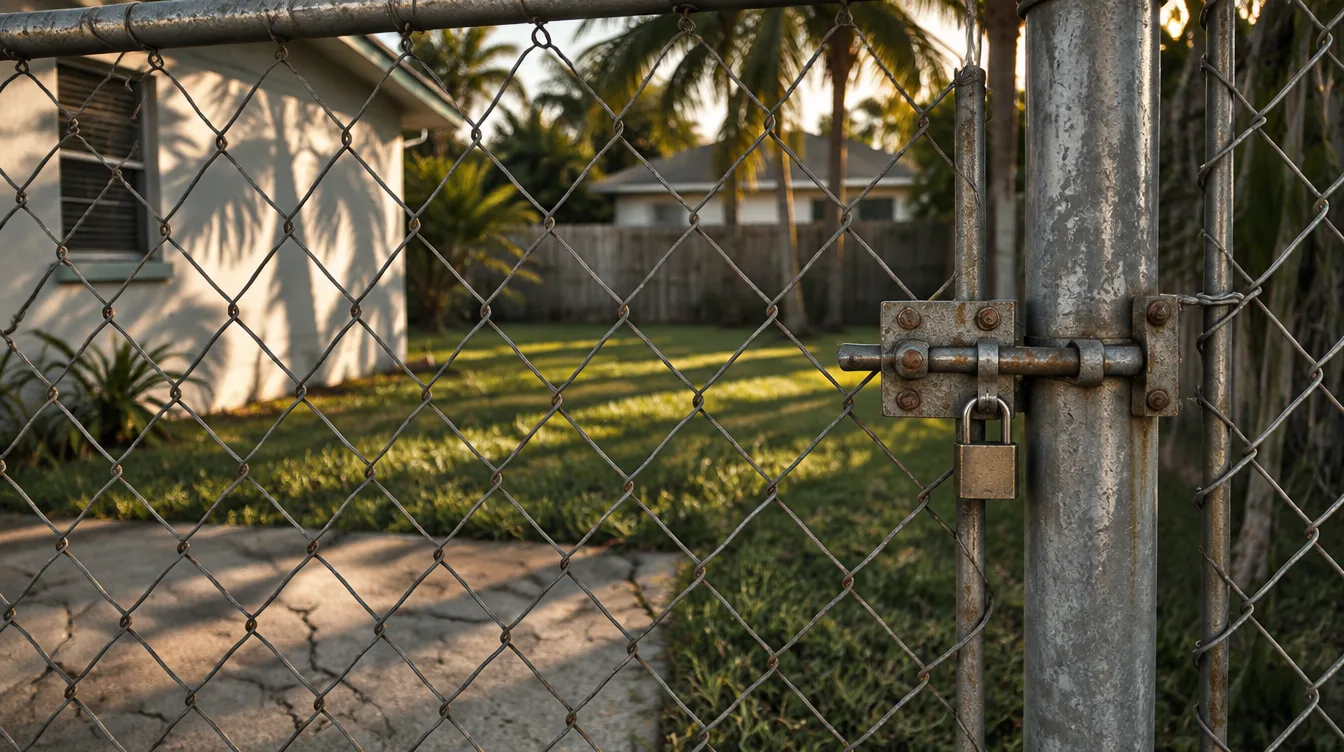
A muzzle in public is often the first sign a county has already put a dog under a dangerous dog order:

The ruling does not decide fault. You do not need one to bring a claim, and most people bitten in Florida never find one. A ruling hands you proof instead: a county employee inspected this dog, ruled against the owner, and ordered the dog shut away. The next question is whether that paperwork exists at all.
Step one) Find out whether the county already has a file on this dog
Call the county animal control office for the address where the bite happened. The dangerous dog registry in Florida sits with the county, not the state. Two files matter there: yours, and every earlier call about that address.
County records are open to any person here, and you need no reason to ask. Here is what a dangerous dog classification in Florida leaves behind.
The file holds the hearing papers, the notice to the owner, and what the officer found. It also holds a yearly permit, and that is the paper to read first. The proof of insurance and the chip number sit on it.
If the dog was never declared anything, earlier calls still matter. A neighbor who phoned about the same dog last year counts, and so does a warning an officer left at the door. Both show the owner already knew.
Step two) Get the bite recorded the way the statute measures it
Florida counts a bite by what it leaves behind, so the words in your hospital record matter. Broken bones, more than one bite, and cuts that need stitches all make this a severe injury under the statute. Those words decide whether the owner faces a criminal charge.
The state also borrows a scale from a vet named Ian Dunbar. He scored bites from 1 to 6. Animal control has to seize a dog mid-investigation when the bite scores a 5, or when the dog killed somebody. A 5 means two or more deep bites in one attack, each one deeper than half a tooth.
So photograph every bite before the hospital cleans it. Count the separate wounds out loud for the nurse. Ask the doctor to write down the depth and the number of stitches, because the county and the insurer both read that language. The next question is whose money pays for all of it.
Step three) Find the policy that actually pays you
Almost no dog owner pays a bite claim out of their own money. Does homeowners insurance cover dog bites? Usually it does, and a renters policy does the same job. Florida insurers closed 2,347 dog injury claims in 2025, and they paid an average of $62,375 on each one.
So the policy is the case. I spent years on the other side of these files. The insurer checks one thing first: is this dog covered at all?
Some policies name a breed and leave it out. Some drop the dog after its first bite. Dog bite settlement amounts mean nothing against a family with no coverage and no savings: they can owe you $62,375 and never pay a dollar of it.
A dangerous dog ruling cuts through all of that. Florida makes the owner of a declared dog carry at least $100,000 for injuries to people, so the money has to exist before the dog goes home. An owner who skipped the policy broke the order, and that failure becomes part of your case. If you wait too long, the policy pays nobody.
Step four) Watch both deadlines, because only one of them is yours
Two deadlines start running after a bite, and they are nothing like the same length. The owner gets 7 calendar days to ask for a hearing on the county's ruling. The county then holds that hearing 5 to 21 days after the request.
You get two years from the bite to sue. Florida cut that from four years in 2023, so an older article may tell you wrong.
So three weeks settles the dog's file while two years settles yours. The early weeks still count for you, because the county builds its record while the bite is fresh and the witnesses still live next door.
If you wait a year, the pen has been fixed and the dog has been moved somewhere else. Nobody wrote down what the neighbors saw.
What if the dog was never declared dangerous?
Can you sue for a dog bite when the dog was never declared dangerous? You can sue, and most Florida cases run this way. The statute makes an owner pay no matter what the dog did before. The rule covers you in a public place, or anywhere you had a right to be.
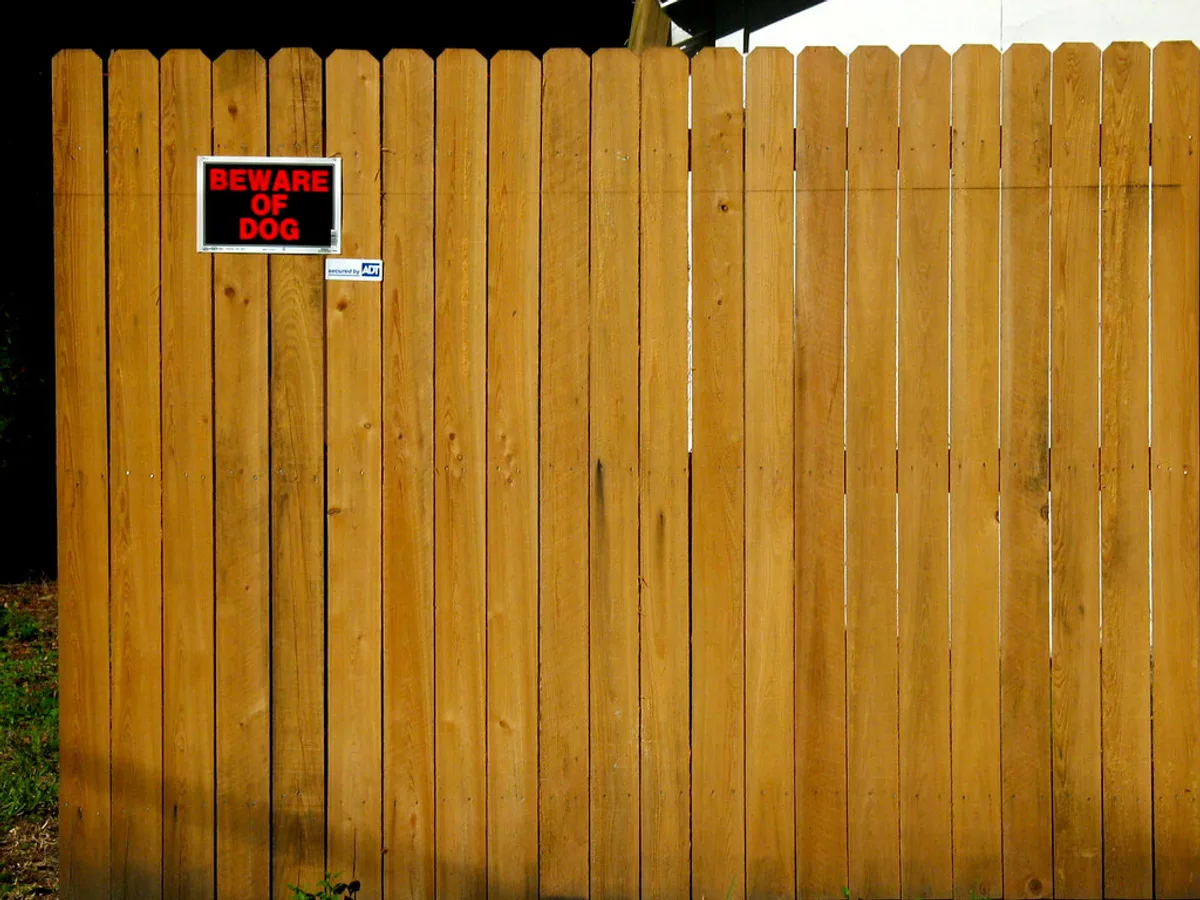
One sign can change that. An owner who posts a Bad Dog sign where people can see it cuts off the automatic rule. The sign does not save an owner whose own carelessness caused the bite. It also counts for nothing when the person bitten is a child under 6.
A history still matters without a county ruling. An owner who knew the dog was dangerous, ignored it, and then watched it badly hurt somebody has committed a crime in Florida. The earlier calls from step one prove that knowledge.
Here is the Beware of Dog sign that defense depends on:
So what happens when a dog bite claim is handled properly?
What it looks like once it is handled
Once it is handled, the file belongs to somebody else. Your lawyer holds the county record, the rabies paper and the photographs, and the year stops being about the dog.
The money side closes the same way. Once the policy pays, you have a settled hospital bill instead of a collection letter. You walk away with the money for the scar work that comes a year later, instead of putting it on a card.
How we work a dangerous dog claim
We start at the county office instead of the insurer. What sits in that file decides which policy we chase, so we ask for it the same week you call.
Then I read the policy for the exclusions I used to rely on. Our Florida dog bite lawyers work on a fee you only pay if we win, and the first conversation costs nothing.
Can a dog be put down for biting me, and other questions we get
Can a dog be put down for biting me?
Yes, and it runs on a set schedule. A dog already declared dangerous that attacks again is taken by animal control and held 10 business days, then put down. An appeal by the owner stops that while a judge looks at it.
What if the dog belongs to a friend or a relative?
Their policy still pays a guest. It will not pay a member of the same household, because the policy counts everyone under that roof as one family.
Does the owner's ticket pay my bills?
No, the fine goes to the county. Your bills get paid through the claim on the policy, and that claim runs separately.
Talk to us before you sign anything
If a dog bit you anywhere in Florida, we will pull the county file on it and tell you what is in there. The first call is free, and you can make it before you sign a word for the insurer.
This article is general information about Florida law, not legal advice, and the outcome depends on the facts of each case. Statutes and county procedures change, so the rules in your case may differ. Prior results do not guarantee a similar outcome.
Related reading
 Claims and Settlements

Miami Dog Bite Claims: Homeowner Insurance and Renters' Policies
 Richard P. Pravato
 Claims and Settlements
Dog Bite Laws in Lakeland: Florida's Strict Liability Statute Explained
Richard P. Pravato  Claims and Settlements
Is Florida a Strict Liability State for Dog Bites?
Richard P. Pravato