
Fort Myers Drowning Accident Lawyer
Someone went into the water and did not come out of it the same, and you are being told it was nobody’s fault. We can take it from here. Call 833-370-8692 for a free consultation. You pay us nothing unless we win. Our Fort Myers personal injury lawyers have taken these cases across Lee County since 1993.
Drowning Accident claims in Fort Myers
You are being asked about long-term care, or about a funeral, by people who have already decided this was an accident. Whether a gate, a drain cover, a depth marking, a warning sign or a certified lifeguard was required at that water, and whether it was there, is a question with a documented answer. Getting it is our job, and it starts the day you call.
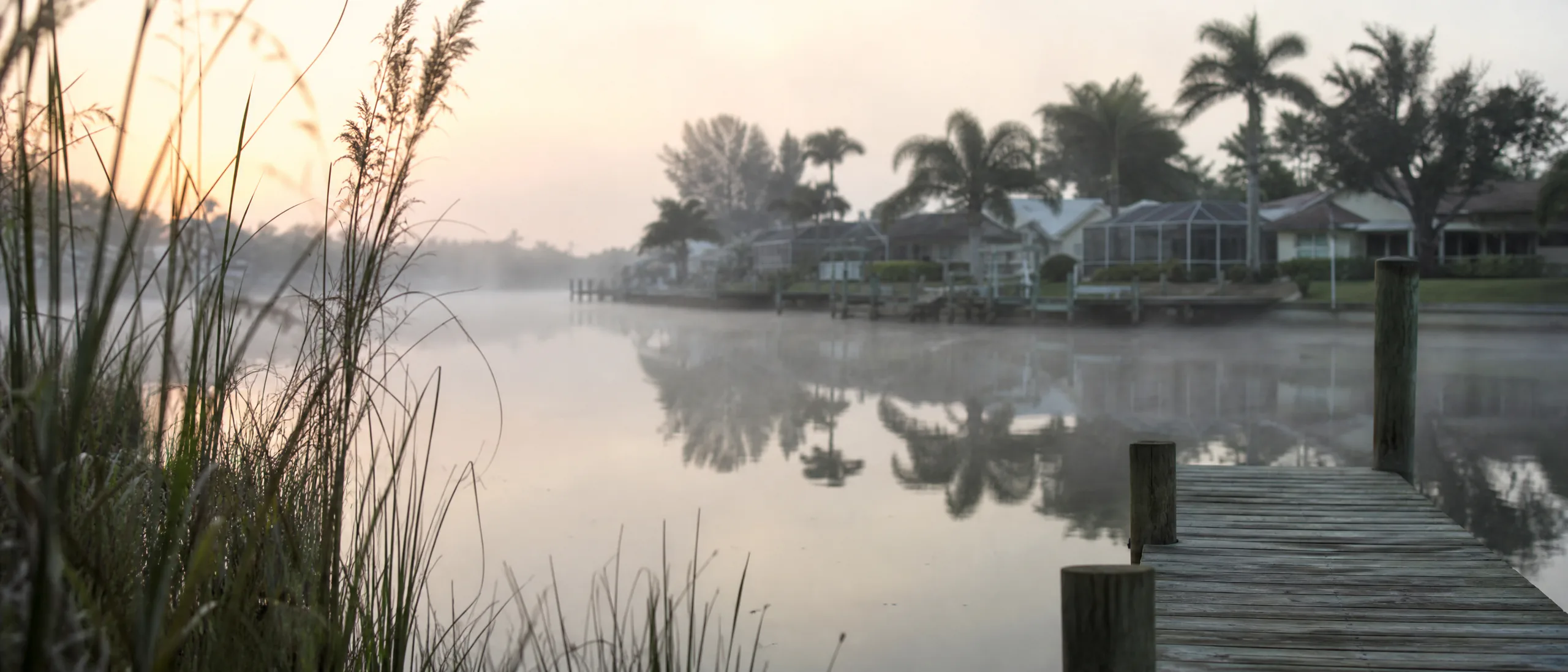
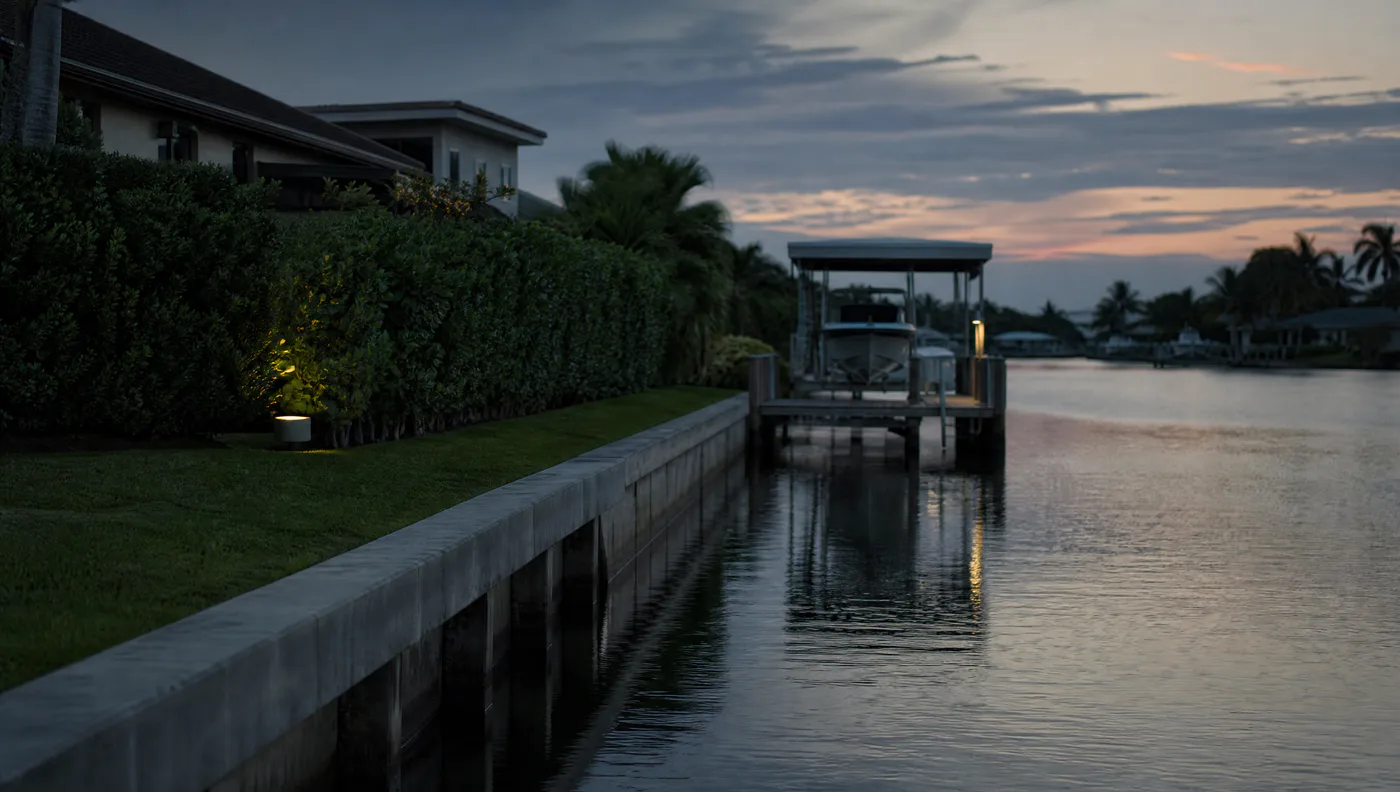
Southwest Florida water has been physically changed in the last few years and it shows up in these cases. The Caloosahatchee and the canal network run dark with tannin and sediment, with a bottom that cannot be judged from a dock above it and that the storm itself moved. The Gulf beaches and the passes between them carry current that is not readable from the shore. And a very large share of the county's pools, enclosures, barriers and docks are recent work, rebuilt at speed by a labor market that was stretched past its limit. That last point cuts in the claimant's favor more often than not: recent work leaves a permit file, and whether an inspection was passed is a public record at the county.
Lee County drowning claims are filed in the Twentieth Judicial Circuit at the Lee County Justice Center. The Caloosahatchee, the canal network and the Gulf beaches account for most of them, and a great deal of the county’s pool and dock infrastructure is recent work rebuilt after the storm.
What to do after a drowning accident in Fort Myers
- Write down the timeline while anybody still remembers it. What time you last saw them, what time somebody noticed, what time anybody went in, what time compressions started, what time help arrived. Approximate is fine and written down today is worth more than exact and remembered next month. This timeline is what every expert on both sides will work from, and the only fixed points in it are the dispatch record and the hospital chart.
- Get names before people leave. Guests, staff, the person who pulled them out, anybody who was already in the water, the attendant or guard and where they were standing. At a hotel, resort, apartment or public facility these people scatter within the hour and are close to unfindable a month later. A first name and a phone number is enough to work from.
- Photograph the water and everything around it. The drains and their covers, the depth markings, the signage, the rescue equipment where it hangs or does not, the lighting, the ladders, the surface of the deck. Drains get re-covered and signs go up within days, and none of it is sinister, and all of it removes the state of the facility on the day.
- Ask who holds the permit, and write down the answer. A public pool operates under a permit from the Department of Health, and the permit names who is responsible for it. Asking at the front desk before anybody has spoken to a lawyer usually produces a straight answer. Asking two weeks later usually does not.
- Do not let anybody settle the medical picture early. Where somebody survived, nobody honest can tell you the outcome in the first weeks. Imaging, monitoring and repeated assessment over months are what establish the injury. An offer that arrives while a child appears to have recovered is priced on that appearance, and a release signed then cannot be reopened when the deficits emerge.
Where these happen in Fort Myers
Southwest Florida water has been rearranged in the last few years, and that shows up in these cases in ways it does not elsewhere.
-
The Caloosahatchee and the canal network
Dark water with a bottom that cannot be judged from a dock above it.
- Depth and bottom conditions that the storm itself changed
- Docks without ladders, and unlit seawall edges
- Water too dark with tannin and sediment to read from above
- Properties advertised on water access to families with children
-
Gulf beaches and passes
Fort Myers Beach, Sanibel and the passes between them, with current and drop-offs.
- Guarded stretches against open sand, which can be adjacent
- Current through the passes, which is not readable from the shore
- Public operators, which bring notice requirements and a damages cap
- Whether hazards known to an operation were communicated at all
-
Rebuilt pools and enclosures
A large share of the county’s pool infrastructure is post-storm work done at speed.
- Whether the work was permitted and inspected, which the county holds on file
- Equipment replaced, including drain covers and pumps, and to which standard
- Barriers and enclosures rebuilt quickly and not always completely
- A permit file that is unusually informative because the work is recent
-
Community and resort pools
Pools serving five or more units, which makes them public pools under Florida law.
- The permit, and whether operation matched what it was granted on
- Anti-entrapment equipment and secondary protection at older pools
- Water clarity at a pool where the filtration was interrupted
- Out-of-state guests using an amenity they know nothing about
What causes them
- Depth markings worn away, painted wrong, or absent where the bottom changes
- Rescue equipment missing from the wall it is supposed to hang on
- Water clouded by a filtration system nobody maintained, so a body on the bottom is invisible
- Underwater lighting failed, leaving a pool unusable after dark and open anyway
- A group program taking children to water without the ratios its own policy requires
- Beach or open water hazards known to the operator and never communicated
What oxygen deprivation actually does
A death in the family
A death claim is brought by the personal representative of the estate, and Florida decides by statute which survivors may recover and what for. Opening the estate takes time, so it is started early rather than when it becomes urgent.
Hypoxic brain injury, which is the outcome that decides these cases
The brain is damaged by the absence of oxygen rather than by any impact, and the damage is done in minutes. What follows is not a single injury but a range of outcomes running from no lasting effect to a person who will need care every day for the rest of a long life.
Where somebody is left in the middle of that range, the effects show up as trouble with attention, memory, processing speed, mood and self-control, and they show up months later rather than at discharge. Nobody connects them because the discharge note said the child was doing well.
The survivor is frequently the larger case
This is the part families find hardest to hear and it is worth saying plainly. A child resuscitated at the edge of a pool may live sixty more years needing help with everything, and that claim is built on decades of care rather than on what happened that afternoon. It needs a life care plan and an economist alongside the liability work, and it takes time to assemble properly.
What Florida law requires you to prove
Which chapter governed the water
The full detail sits on our Florida drowning page rather than being repeated in each market. The short version is that a pool serving five or more units is a public swimming pool under Fla. Stat. § 514.011, needs a permit to operate, and answers to equipment and certification requirements a private home does not. Establishing which category the water fell into is the first thing that happens.
The deadline, and the shorter one for public water
Most claims from an incident on or after March 24, 2023 carry two years under Fla. Stat. § 95.11, running from the date of death where somebody died later. Where a city, county or school board controls the water, Fla. Stat. § 768.28 requires written notice first, blocks suit until the agency has had its six months, and caps what a public body pays at $200,000 for one person and $300,000 for one incident.
The supervision argument, and where the line sits
Fault is divided under Fla. Stat. § 768.81, and since 2023 somebody found more than half responsible recovers nothing. Every drowning defense is built on the idea that an adult should have been watching. It reduces a recovery rather than ending one, and it does not answer whether the facility carried the equipment, the certification and the permit it was operating under.
The full statutory detail, and the parts that differ by claim type, sit on our statewide drowning accident page rather than being restated in every market.
How we prove it in Lee County
Recent construction is the unusual advantage in a Lee County file, because recent work leaves paperwork.
- Permit and inspection history for post-storm pool, dock and enclosure work
- The dispatch record and responding units’ run reports
- The emergency room chart, including the first recorded rhythm and oxygen level
- The Department of Health permit and inspection file for a pool
- Equipment records for drain covers, pumps and any secondary protection fitted
- Names and numbers for everybody present, taken the same day
- Photographs of the water, the drains, the markings and the rescue equipment
- Written identification of the responsible agency where public water is involved
Pull the county permit file early. Where a pool, a dock or an enclosure was rebuilt in the last few years, whether it was inspected is a public record, and work carried out without one is unusually strong evidence.
Who would handle your case
Being hurt in Fort Myers is hard enough without working out the legal side on your own. The trial lawyers below have handled drowning accident claims across Florida since 1993, and one of them will take yours from the first call to the last check. They will tell you what your case is worth and why, and they will be straight with you about the parts that are hard.
-
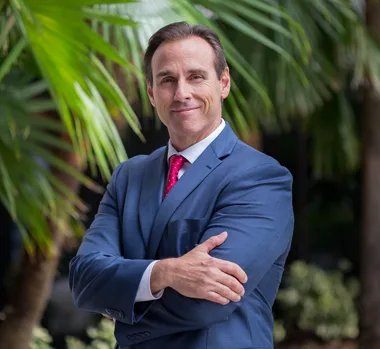 Richard P. Pravato Founding & Managing Attorney Board Certified in Civil Trial Law by The Florida Bar since 2004, and by the National Board of Trial Advocacy. Injury cases exclusively since 1996. Full profile →
 -
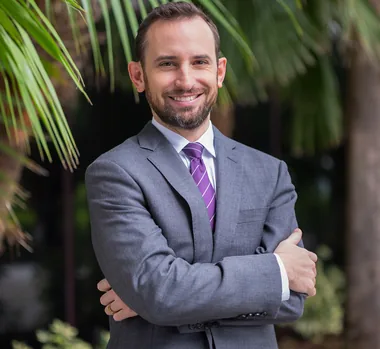 Brett J. Yonon Senior Trial Attorney Selected to Florida Super Lawyers in 2024 and 2025. Brett Yonon is who this firm puts on a catastrophic injury or a death in the family, and he has tried those cases to verdict. Full profile →
What the insurer says about a drowning claim
The first letter in a drowning file usually says two things: that somebody should have been supervising, and that the facility met every requirement. Both are testable.
- Nobody was watching the child
- Said in almost every one of these cases and it is not the legal question. Florida divides blame rather than barring a claim, so even where an adult who was present carries part of it, that reduces a recovery instead of ending it. Whether the operator held a current permit, whether the drain met the standard and whether the guard was certified are separate questions with documented answers.
- There was a sign
- Saying what, positioned where, in what condition, and in which languages. A sign is evidence about a warning rather than a defense in itself, particularly where the hazard was one a swimmer could not assess for themselves. Photograph it before it is replaced with a better one.
- The child has made a complete recovery
- Frequently what it looks like at three weeks and frequently not what it looks like at three years. This is the practice where settling early most often turns out to have been a fraction of the case, because the deficits that decide the value are the ones that take years to appear.
What a claim can include
What a family may recover after a death
Funeral and medical costs, lost support and services, and the losses the statute assigns to particular survivors, brought by the personal representative of the estate.
Medical care, past and future
Everything billed already, and what the treating doctors say is still ahead. After oxygen deprivation the second half is usually far the larger.
A life care plan
Therapy, medication, equipment, supervision, schooling support and adaptations to a home, costed across a lifetime by a professional working from the treating doctors and converted to a present figure by an economist.
Why Wolf & Pravato in Fort Myers
A Lee County drowning claim is filed in the Twentieth Judicial Circuit at the Lee County Justice Center, with an estate opened in the probate division there where somebody died, and the firm has an office on Colonial Boulevard rather than a referral arrangement with somebody here. Where an out-of-state family is trying to establish what happened at a property they had never seen, that work happens locally.
Richard Pravato is one of 861 lawyers Board Certified by The Florida Bar in Civil Trial law, out of a membership over 109,000. The certification is about trial experience rather than advertising spend, and it is the part of a firm’s record that an insurance company checks.
Nothing is charged for the first conversation and nothing is charged at all unless there is a recovery. If we do not think you have a claim, we would rather tell you now than a year from now.
Fort Myers drowning accident questions
The pool had just been rebuilt. Does that help or hurt?
It usually helps, because recent work leaves a record. Whether a permit was pulled and an inspection passed is public information at the county building department, and there are contractors, invoices and dates rather than a structure of unknown age. Work done without a permit or an inspection is unusually strong evidence in a case like this.
We are not from Florida and we have already gone home.
That is the usual position here and it does not stop anything. The evidence is in Lee County and so is this office, so the permit searches, the records requests and the local inquiries happen without you traveling back. What helps from your end is making sure the treatment continuing at home is joined to the Florida records rather than sitting apart from them.
It happened in a canal, a lake or at the beach, not a pool.
Open water cases turn on who controlled the access and what warning was given. Canals, retention ponds, quarries, seawalls and swimming areas all have somebody responsible for them, and where that is a city or a county the claim carries its own notice requirements and its own deadlines. Those are shorter than people expect, which is the reason to ask early rather than later.
There was no lifeguard on duty. Does that decide it?
Not by itself, and Florida law does not require a lifeguard everywhere. What it does require is that anybody working as one at a public pool holds a current certification, and that the facility carries the safety equipment and signage its permit was granted on. Whether the absence of supervision was a breach depends on what that place had held itself out as providing.
The questions that come up on every kind of claim, deadlines, fees, recorded statements and fault, are answered on our Florida injury claim FAQ.
More in Fort Myers
Fort Myers Personal Injury Lawyer
Everything we handle in Lee County, and where our office is.
View →Fort Myers Catastrophic Injury Lawyer
Florida catastrophic injury lawyers.
View →Fort Myers Car Accident Lawyer
Florida car accident lawyers since 1993.
View →Fort Myers Truck Accident Lawyer
Florida truck accident lawyers.
View →
Tell us what happened
A lawyer will listen, tell you what Florida law does with those facts, and be straight with you about whether it is worth bringing. We are at 1825 Colonial Blvd, Fort Myers, FL 33907.