

Fort Myers Construction Accident Lawyer
Construction sites run on federal safety standards, and a violation leaves a paper trail. We go and find it. We can take it from here. Call 833-370-8692 for a free consultation. You pay us nothing unless we win. Our Fort Myers personal injury lawyers have taken these cases across Lee County since 1993.
Construction Accident claims in Fort Myers
On a construction site the general contractor, the subcontractor and the equipment owner each point at one of the others, and the site itself is changed by the next working day. Meanwhile you are on a check that does not cover the rent, with surgery ahead and no idea when you work again. Finding who else owes you beyond compensation is our job, and it starts the day you call.
Lee County construction is dominated by residential rebuild and re-roofing work, with the crew turnover and time pressure that go with it. Falls from roofs, ladder failures, heat illness and nail gun injuries make up most of what we see. The recurring dispute is not liability, it is causation: carriers in this market argue hard that a spinal injury is a degenerative finding rather than an accident, because almost any adult scan shows degeneration. What answers it is the treating record and the difference between what the worker could do the week before and the week after.
A Lee County construction injury produces two claims: workers’ compensation through your own employer regardless of fault, and a negligence claim against anybody else who controlled the condition, which pays for pain and lost earning capacity. On this coast the practical problem is speed, because crews move on, companies dissolve and the evidence goes with them.
What to do after a construction accident in Fort Myers
- Report the injury to your employer, and note the date you did it. Florida requires an injured worker to report a workplace injury to the employer, and the period for doing it is short. Say it to a supervisor, and follow it with a text or a message so there is a record of the date. Injuries reported late are disputed on that ground alone, and a message sent the same afternoon closes the argument before it starts.
- Write down every company that was on the site. Not only who employs you. The general contractor, the other trades working that day, whoever owned or operated the equipment, the delivery driver, the crane or hoist company, the property owner. Photograph the signage at the gate and the logos on the trucks. Your employer is generally the one party you cannot sue in negligence, so the names that matter most are the other ones.
- Photograph the scene and the equipment before it changes. A site is different by the next morning. The ladder gets put away, the opening gets covered, the scaffold moves up a level and the trench gets backfilled. Photograph the thing itself, the guardrails or the ones that were missing, the tags and inspection stickers on any equipment, and the wider area so it is clear what a person could actually see.
- Get treated, and understand who is directing the care. Go to the hospital if you need to. After that, workers’ compensation generally directs treatment to physicians the carrier authorizes, which is a real constraint and not a suggestion. It is worth having somebody explain how that works before you are unhappy with it, because the process for changing an authorized physician has its own rules and its own timing.
- Immigration status does not decide whether you have a claim. Florida’s workers’ compensation statute defines an employee to include workers whether they are lawfully employed or not, and a negligence claim against another company on the site does not turn on status either. Workers are told the opposite constantly. One thing genuinely is worth care: anything to do with documents given to an employer should be discussed with a lawyer before it is discussed with anybody else.
Where these happen in Fort Myers
Lee County has been rebuilding for years, at volume and under time pressure, and the injuries follow the work. Two features are local: the heat, and how quickly the company that did the work stops existing.
-
Roofing and re-roofing
The dominant work in this county and the source of most of what we handle here, with crew turnover and schedule pressure behind it.
- Fall protection and anchorage, and whether anything was available on the roof at all
- Ladder setup and tie-off, documented by photographs or by nothing
- Crews assembled for a season and dispersed afterward, which makes taking names urgent
- A roofing subcontractor, a general contractor and a property owner, which are separate defendants
-
Heat
Heat illness on a Lee County roof in summer is predictable, preventable and routinely treated as an unavoidable part of the job.
- Water, shade and rest arrangements, which are either documented or conspicuously not
- Acclimatization for new workers, who are the ones most often affected
- The response when somebody went down, and how long it took to call for help
- Time sheets and weather records, which fix the conditions independently
-
Elevated and coastal construction
Rebuilt homes on pilings and raised structures along the water, where the work happens at height by design.
- Working platforms, edges and the absence of any permanent structure to anchor to
- Materials lifted by equipment that belongs to somebody other than the employer
- Engineering drawings and field changes, which are documented on permitted work and absent on the rest
- Site conditions that change with tide and weather, and are worth photographing the same day
-
Companies that no longer exist
A great many outfits worked this county during the rebuilding and a meaningful number of them have since dissolved.
- Corporate records showing who a company actually was and who stood behind it
- Insurance in force at the time, which survives the company in a way the company does not
- Permit records naming the contractor of record, which is frequently the only surviving link
- Other parties on the site, including owners and equipment suppliers, who remain answerable
What causes them
- Trench and excavation collapse, where the protective system was absent or was the wrong one for the soil
- Contact with overhead power lines and with temporary power that was not properly grounded
- Crane, hoist and rigging failures, including loads that were never within the chart
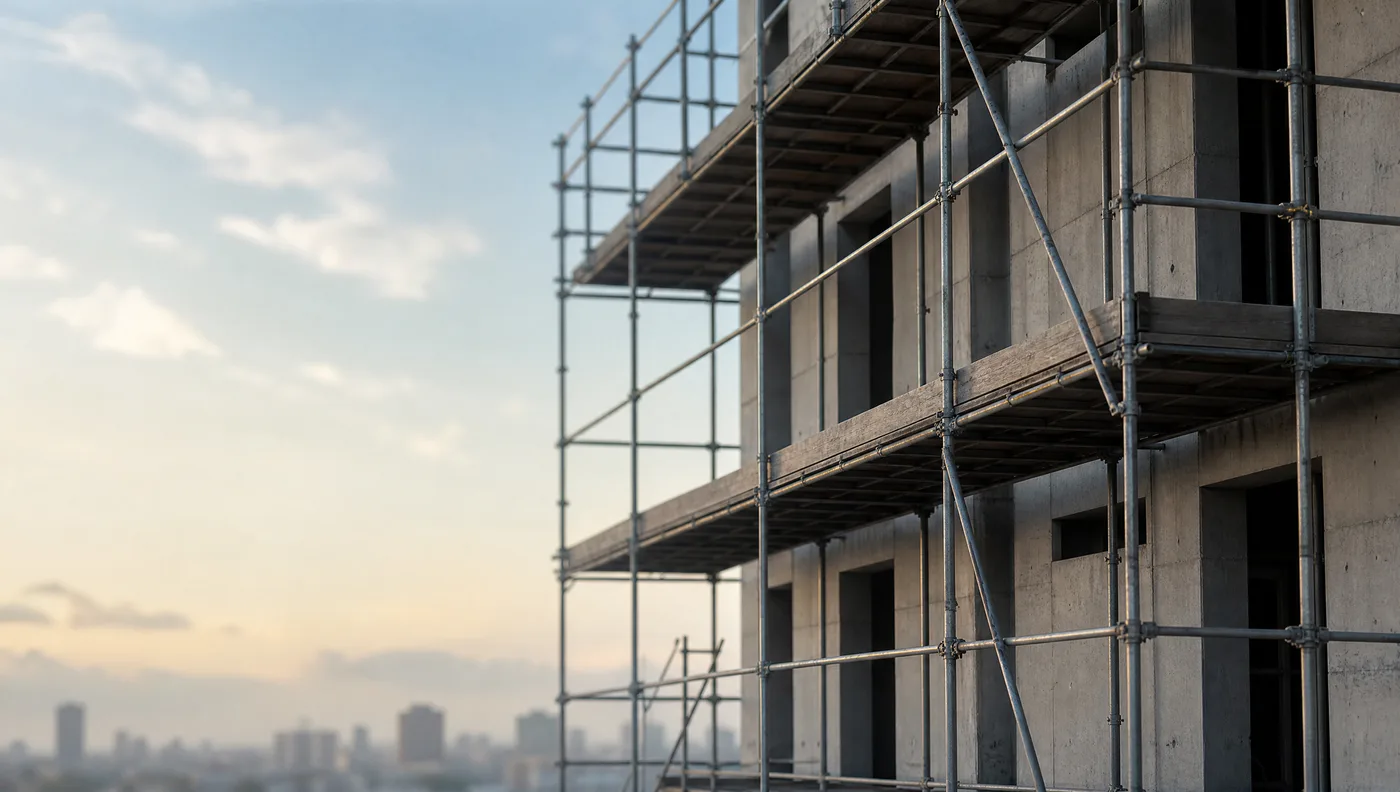
- Scaffold collapse, and planks, ties and guardrails that were altered by somebody else’s crew
- Heat illness on Florida sites in summer, which is preventable and is treated as inevitable
The injuries we see, and what each one turns on
Burns and electrical injury
Contact with overhead lines and with temporary power produces injuries that are worse than they look at the roadside, because the damage runs along the path the current took. Cardiac and neurological effects can appear later, and the treatment runs to skin grafting and months of rehabilitation.
Death
Where a worker is killed, there is a compensation claim through the employer and, separately, a wrongful death claim against anybody else responsible. The second is brought by the personal representative of the estate rather than by relatives individually, which is a probate step worth starting early because it holds everything else up.
Spine and spinal cord
Falls produce the most serious spinal injuries we see, and the argument that follows them is always the same: nearly every adult spine shows wear on imaging, so the claim is that the fall found it rather than caused it. Florida law does not reduce what a defendant owes because the injured person was more vulnerable than average. What answers the argument is a treating physician documenting the change in function and a treatment record with no unexplained gaps in it.
What Florida law requires you to prove
Compensation against your employer, and what it does not pay
Workers’ compensation under Chapter 440 pays medical care and a portion of lost wages regardless of who was at fault, and in exchange it is generally the exclusive remedy against your own employer under Fla. Stat. § 440.11. What it does not pay is anything for pain, for what daily life has become, or for the full value of a career that has ended. It also has its own deadlines, starting with the requirement in Fla. Stat. § 440.185 that the injury be reported to the employer promptly.
The claim beside it, against everybody else
A construction site is a set of separate companies, and the exclusive remedy protects only your employer. Another subcontractor, an equipment owner or manufacturer, a crane or hoist operator, a delivery company or the property owner all remain answerable in ordinary negligence, and that claim does pay for pain and for lost earning capacity. Florida does extend the employer’s immunity to a general contractor in defined circumstances under Fla. Stat. § 440.10, which is precisely why the contractual structure of the site has to be established rather than assumed. Most Florida negligence claims arising on or after March 24, 2023 carry a two-year deadline under Fla. Stat. § 95.11.
What the federal safety rules do and do not do
Construction work runs under the federal standards in 29 CFR Part 1926, including the fall protection requirements in 29 CFR § 1926.501, which generally require protection at six feet in construction. A violation does not by itself create a right to sue, and a citation is not a verdict. What it does provide is a documented standard against which conduct is measured, and a federal investigation file that would not otherwise exist. Employers also have to report a workplace fatality within eight hours and an amputation or in-patient hospitalization within twenty-four under 29 CFR § 1904.39, which fixes a date and generates records.
The full statutory detail, and the parts that differ by claim type, sit on our statewide construction accident page rather than being restated in every market.
How we prove it in Lee County
Two clocks run faster in Lee County than the filing deadline suggests: the people and the companies. Both are worth chasing in the first weeks rather than the first months.
- Names and contact details for everybody on the crew, taken as early as possible, because these crews disperse
- The permit file and inspection history, which names the contractor of record and survives the company
- Corporate and insurance records for every company on the site, which outlast the businesses themselves
- Contracts between the owner, the general contractor and the trades
- Phone photographs and messages from the crew, which on this work is frequently the only site record
- The equipment, ladder or lift, preserved before it is repaired or returned to a rental company
- Time sheets and weather records, which fix the conditions and the hours independently
- Any federal safety investigation file, and the employer’s reporting of the injury to the agency
Identifying the companies quickly matters more here than anywhere else on this list. Insurance in force at the time of an injury survives a company that has since dissolved, but only if somebody establishes which company it was.
Who would handle your case
Being hurt in Fort Myers is hard enough without working out the legal side on your own. The trial lawyers below have handled construction accident claims across Florida since 1993, and one of them will take yours from the first call to the last check. They will tell you what your case is worth and why, and they will be straight with you about the parts that are hard.
-
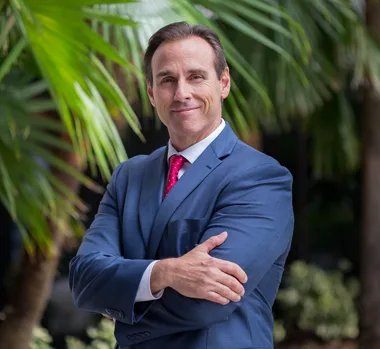 Richard P. Pravato Founding & Managing Attorney Board Certified in Civil Trial Law by The Florida Bar since 2004, and by the National Board of Trial Advocacy. Injury cases exclusively since 1996. Full profile →
 -
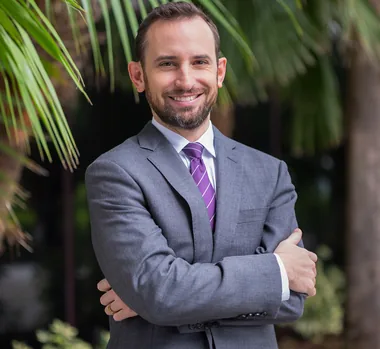 Brett J. Yonon Senior Trial Attorney Selected to Florida Super Lawyers in 2024 and 2025. Brett Yonon is who this firm puts on a catastrophic injury or a death in the family, and he has tried those cases to verdict. Full profile →
How insurance companies handle these claims
Two carriers are usually involved from the start and they want different things. The compensation carrier is managing a claim it has to pay whatever happened, and the liability carrier for another company on the site is deciding whether it has any exposure at all.
- This is all covered by workers’ compensation
- True about one claim and silent about the other. Compensation covers you through your employer regardless of fault, and in return you generally cannot sue that employer. Anybody else whose negligence caused the injury remains answerable, and that claim pays for pain and for lost earning capacity, which compensation does not. It is frequently the larger of the two, and nobody involved has any reason to mention it to you.
- A recorded statement, asked for early and asked for often
- Both carriers will want one and the questions are about what you were told, what you were wearing and what you have done before. You are not obliged to be recorded by a liability carrier for another company, and the answers given in the first week by somebody on pain medication get quoted back months later as considered testimony.
- You are watched
- Surveillance is ordinary in these files and it is lawful. What it produces is a few minutes of somebody lifting a bag or walking to a car, offered as proof they are fine. The answer is simply to be accurate: describe what you can do on a good day and on a bad one, tell the treating doctor the same thing you tell everybody else, and do not overstate. Consistency is what makes surveillance footage worthless.
What a claim can include
What the compensation carrier takes back
Where both claims exist, the compensation carrier generally has a right to be repaid out of a third-party recovery. How much it actually recovers is negotiable and is governed by a formula rather than by the invoice total, and handling it properly is a meaningful part of what an injured worker ends up with.
What a family may recover after a death
Compensation death benefits through the employer, and separately a wrongful death claim against anybody else responsible. The second is brought by the personal representative of the estate, and Florida decides by statute which survivors may recover and for what.
What compensation pays
Authorized medical care and a portion of lost wages, regardless of fault, plus impairment benefits. It does not pay anything for pain or for what daily life has become, and the wage portion is a fraction rather than the whole.
Why Wolf & Pravato in Fort Myers
A Lee County construction case is filed in the Twentieth Judicial Circuit at the Lee County Justice Center, and the firm has an office on Colonial Boulevard in Fort Myers rather than a referral arrangement with somebody here. These claims run on local records and local witnesses, and the firm tries them on this coast.
Richard Pravato is one of 861 lawyers Board Certified by The Florida Bar in Civil Trial law, out of a membership over 109,000. The certification is about trial experience rather than advertising spend, and it is the part of a firm’s record that an insurance company checks.
Nothing is charged for the first conversation and nothing is charged at all unless there is a recovery. If we do not think you have a claim, we would rather tell you now than a year from now.
Fort Myers construction accident questions
The insurance company says my back problem is degenerative, not from the fall.
Almost every adult has degenerative changes visible on imaging, so the finding proves very little on its own. Florida law does not reduce what a defendant owes because the injured person was more vulnerable than average. What answers the argument is a treating physician who documents the change in function, and a consistent treatment record with no unexplained gaps in it.
The company I worked for has closed down.
That is common here and it is not the end of the claim. Insurance in force at the time of an injury generally survives the dissolution of the business, and the permit file usually names the contractor of record even where the company is gone. Beyond that, the other parties on the site remain answerable in negligence: the property owner, the general contractor, another trade, or whoever owned the equipment.
I collapsed from the heat on a roof. Is that a claim?
It can be, and it is taken less seriously than it should be. What a case looks at is what was actually provided in the way of water, shade and rest, whether a new worker was given any period to acclimatize, and how quickly somebody called for help once it was clear something was wrong. Time sheets and independent weather records fix the conditions, and where no arrangements were documented at all, that absence is the answer.
I am undocumented. Can I still make a claim?
Immigration status does not remove the right to bring an injury claim in Florida. It can raise practical questions worth discussing candidly and privately, which is exactly the sort of conversation the free consultation is for.
Does an OSHA citation prove my case?
It helps and it we can get, but a citation is not the same as civil liability and its use is subject to rules of evidence. Its greater value is often in what the underlying investigation documents, and in establishing a pattern where the same company has been cited before.
The questions that come up on every kind of claim, deadlines, fees, recorded statements and fault, are answered on our Florida injury claim FAQ.
More in Fort Myers
Fort Myers Personal Injury Lawyer
Everything we handle in Lee County, and where our office is.
View →Fort Myers Car Accident Lawyer
Florida car accident lawyers since 1993.
View →Fort Myers Truck Accident Lawyer
Florida truck accident lawyers.
View →Fort Myers Motorcycle Accident Lawyer
Florida motorcycle accident lawyers.
View →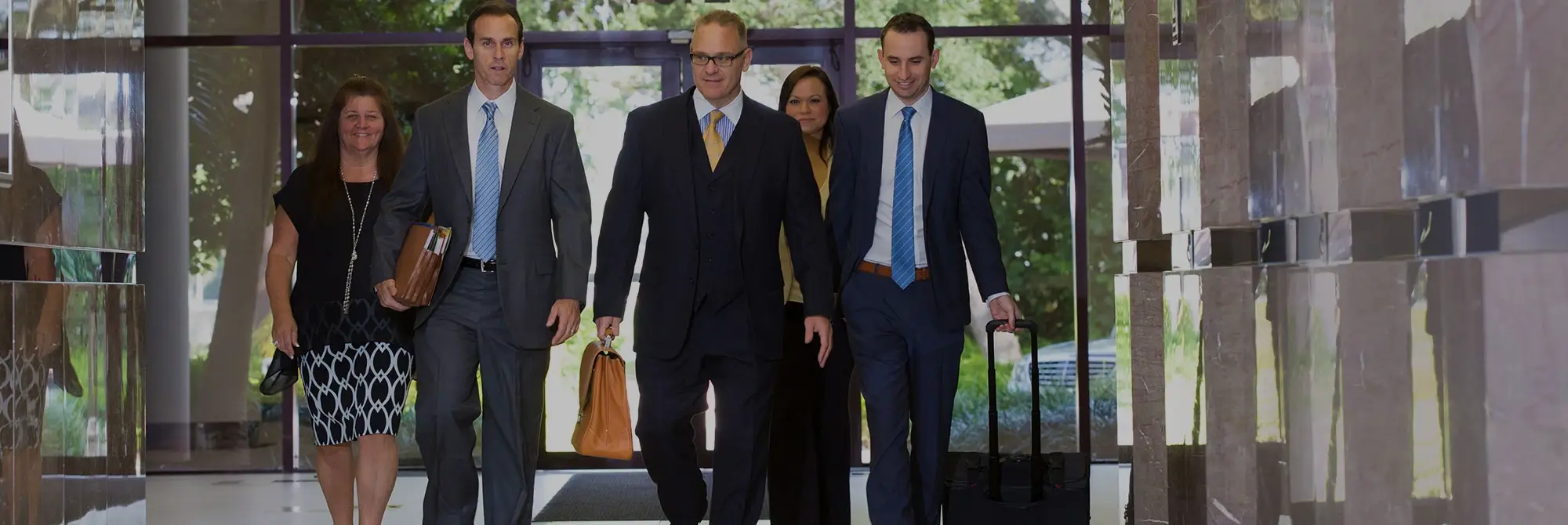
Tell us what happened
A lawyer will listen, tell you what Florida law does with those facts, and be straight with you about whether it is worth bringing. We are at 1825 Colonial Blvd, Fort Myers, FL 33907.