
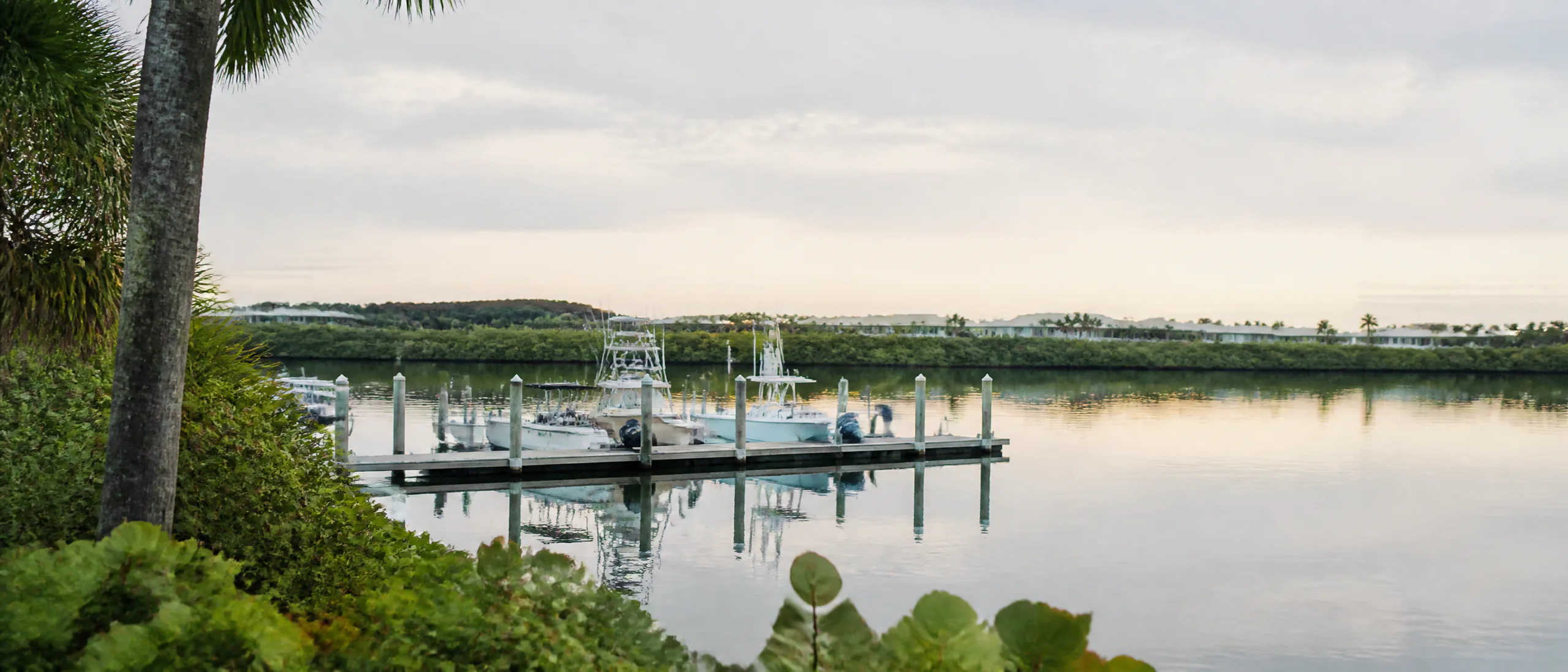
Fort Myers Boat Accident Lawyer
A day on the water ended with somebody in an ambulance, and whatever they were on has already been trailered away. We can take it from here. Call 833-370-8692 for a free consultation. You pay us nothing unless we win. Our Fort Myers personal injury lawyers have taken these cases across Lee County since 1993.
Boat Accident claims in Fort Myers
There is no police report the way there is on a road, and by evening the witnesses have scattered to five different marinas. Meanwhile you are dealing with the injury, the lost work, and an owner whose story is settling into something convenient. Finding those witnesses while they can still be found is our job, and it starts the day you call.
The Caloosahatchee, San Carlos Bay and the passes out to the Gulf carry a very high volume of recreational and rental traffic, much of it seasonal and much of it in unfamiliar water with shifting shoals. Groundings, collisions at the passes, passengers injured in rough water and personal watercraft crashes make up most of what we take. The practical shock for most families is that nothing pays automatically out here: after a car crash the first bills are covered whoever caused it, and after this they are not. The claim runs against the operator and often the vessel owner, while health insurance carries the treatment.
Lee County carries a very high volume of recreational and rental traffic through the Caloosahatchee, San Carlos Bay and the passes, much of it seasonal and in unfamiliar water. The practical shock is that nothing pays automatically out here: health insurance carries the treatment while the claim runs against the operator and often the owner.
What to do after a boat accident in Fort Myers
- Get names and numbers before anyone leaves the water. Everybody aboard both vessels, and anybody nearby who saw it. This matters far more than after a road crash: there is no exchange of licenses at the roadside, no responding officer taking details as routine, and within twenty minutes every witness has motored off in a different direction and cannot be found again.
- Photograph both vessels and the registration numbers. The damage, the hull numbers, the name and homeport, the console, and anything about the conditions worth recording. A vessel gets repaired, repainted, renamed or sold, and unlike a car it does not sit in a yard waiting for anyone. Where it was a rental, photograph the craft, its number and the operator’s branding.
- Establish whether it was reported, and to whom. Boating accidents are reported to the state rather than to a local police department, and plenty are never reported at all. Find out which agency has it and get the incident number. Where nothing was reported, that is not the end of the case, but it does mean everything has to be built from the vessels, the marina, the charter paperwork and the people who were there.
- Keep every piece of paper the day generated. The charter agreement, the rental contract, the safety briefing sheet you signed, the receipt, the listing, the waiver. Where a rental or charter is involved these documents decide who is answerable and what they undertook, and they exist in one copy on a phone that gets replaced.
- See a doctor, and understand that nothing pays automatically. After a car crash your own policy covers the first bills whoever caused it. On the water it does not, and people delay treatment because of it, which then becomes the argument about how badly they were hurt. Go anyway, on health insurance, and let the coverage question be worked out afterward. Some marine policies carry limited medical payments cover and it is worth checking early.
Where these happen on the water in Fort Myers
The water here is busier and shallower than most people expect, and the shoals move between seasons, which is behind a large share of what we take.
-
The passes out to the Gulf
Where the traffic funnels and the bottom changes, which is a combination that produces both collisions and groundings.
- Converging traffic in a narrow channel with no room to give way
- Shoals that move between seasons and are ahead of the charts
- Groundings that throw everybody aboard forward at once
- Wake and following sea in the pass, taken at the wrong speed
-
The river and the bay
High-volume open water where speed is available and local knowledge frequently is not.
- Collisions in open water, which almost always come down to lookout
- Passengers injured in rough water, including spinal injury from repeated slamming
- Personal watercraft, which are a large share of the seasonal traffic
- Idle and manatee zones, and what a vessel was actually doing through them
-
Rentals and charters
Much of the traffic is hired for the day by somebody who has not been on this water before.
- The instruction a livery had to give, including local waterway hazards
- The boating safety identification the renter had to produce
- Charter operators, their crew and what was served aboard
- Maintenance records for the specific vessel, and any prior report of the same fault
-
Who pays while all this is worked out
The question every family asks first, and the answer is different from the one they are expecting.
- Health insurance carrying the treatment, with a lien repaid from any recovery
- Medical payments coverage on some marine policies, which is worth finding
- The claim running against the operator and often the vessel owner separately
- Treatment delayed for cost, which becomes the argument about how badly somebody was hurt
What causes them
- Passengers not warned before a turn, a wake or a change of speed
- Collisions at inlets and passes, where traffic converges and the water is unforgiving
- Groundings on shoals that move between seasons and charts
- Rental and personal watercraft operated by people with no local knowledge and no instruction
- Overloading, and passengers riding on bows, gunwales and transoms
- Propeller strikes, from a vessel maneuvering near swimmers or people in the water
The injuries we see, and what each one turns on
Drowning and near-drowning
Oxygen deprivation damages the brain without any blow to the head, and the effects appear later as difficulty with attention, memory, behavior or mood. Somebody who was resuscitated and discharged looking well should still have a neurological baseline taken.
Burns, and injuries from fire aboard
Fuel systems, engine spaces and battery installations produce fires that are hard to escape on a vessel underway. These are frequently equipment and maintenance cases rather than operator cases, and the vessel itself is the evidence.
Why these injuries are worse than the speeds suggest
There are no seat belts, no crumple zones and nothing to brace against. A passenger thrown at fifteen knots lands on fiberglass, a cleat or the water, and help is a boat ride away rather than an ambulance ride. The gap between injury and treatment is longer than in any other practice on this site, and that gap makes some injuries considerably worse than they began.
What Florida law requires you to prove
What the operator owed everyone aboard
An operator owes passengers reasonable care in how the vessel is handled: speed for the conditions, how a wake is taken, keeping a proper lookout and warning people before a maneuver. That is why an injury with no collision at all is still an ordinary negligence claim, which surprises most people. Most claims arising on or after March 24, 2023 carry a two-year deadline under Fla. Stat. § 95.11, and fault is shared under Fla. Stat. § 768.81.
The report goes to the state, and it is often not made
Under Fla. Stat. § 327.30 the operator must report without delay, by the quickest means available, where there is a death, a disappearance, an injury needing treatment beyond immediate first aid, or apparent damage of at least $2,000. It goes to the Fish and Wildlife Conservation Commission’s law enforcement division, the sheriff or the municipal police, and the same section requires an operator to render practicable assistance and give their name, address and vessel identification. A failure to report does not end a claim. It means the case gets built from the vessels, the marina, the paperwork and the witnesses instead.
A rental business has duties of its own
Where the vessel was rented, the operator who caused the crash is one claim and the livery may be liable separately. Under Fla. Stat. § 327.54 a livery must give pre-rental instruction covering handling, safe operation, local waterway hazards and emergency procedures, may not rent to somebody who has not produced the boating safety identification the law requires of them, and may not rent a motorized vessel to anybody under 18. It must also carry liability coverage of at least $500,000 per person and $1 million per event, and either provide renter coverage or offer it and take a signed waiver. The instruction record, the agreement and the maintenance log decide it.
Alcohol, and who else may answer for it
Florida applies the same alcohol limit to operating a vessel as to driving, and it is a factor in a meaningful share of serious cases. Where drink was served aboard a charter or supplied by a commercial operator, that can put another party in the claim alongside the operator. It is worth establishing early what was served, by whom and to whom, because the people who could say are the same ones who scatter after the incident.
The full statutory detail, and the parts that differ by claim type, sit on our statewide boat accident page rather than being restated in every market.
How we prove it in Lee County
Everything that proves a Lee County boating case can leave the county under its own power, including the witnesses, and much of it does within the week.
- Names and numbers for everyone aboard both vessels and anybody nearby, taken before people leave
- Photographs of both vessels, the damage, the hull numbers and the conditions
- Whether a report was made, to which agency, and the incident number
- Rental or charter paperwork, the safety briefing record and any waiver signed
- Marina, ramp, fuel dock and dockmaster records placing the vessels
- Maintenance and inspection records where a mechanical or steering failure is alleged
- Every policy that might respond, including medical payments cover on a marine policy
- Where a grounding is alleged, the chart, the marking and what the operator was told about the water
Seasonal traffic is the reason for the urgency. A witness who was here in March is in another state by May, and a rental vessel is back in a fleet and repaired before anybody has thought to ask about it.
Who would handle your case
Being hurt in Fort Myers is hard enough without working out the legal side on your own. The trial lawyers below have handled boat accident claims across Florida since 1993, and one of them will take yours from the first call to the last check. They will tell you what your case is worth and why, and they will be straight with you about the parts that are hard.
-
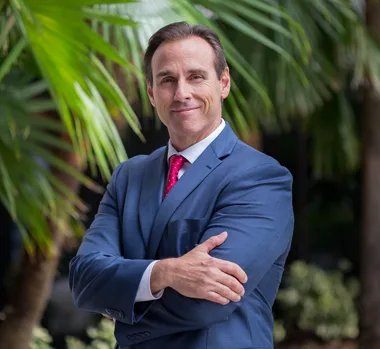 Richard P. Pravato Founding & Managing Attorney Board Certified in Civil Trial Law by The Florida Bar since 2004, and by the National Board of Trial Advocacy. Injury cases exclusively since 1996. Full profile →
 -
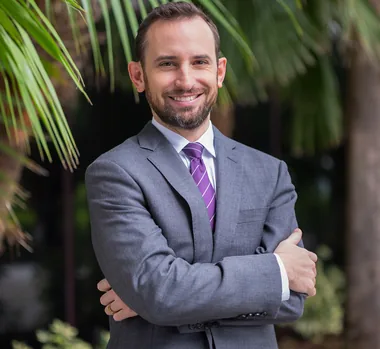 Brett J. Yonon Senior Trial Attorney Selected to Florida Super Lawyers in 2024 and 2025. Brett Yonon is who this firm puts on a catastrophic injury or a death in the family, and he has tried those cases to verdict. Full profile →
What the other side says about a boating claim
Marine claims are handled by adjusters who know that most of the evidence goes home on other people’s boats. The arguments below all depend on that.
- Nobody reported it, so there is no accident
- Plenty of these are never reported, and it changes what the case is built from rather than whether there is one. The obligation to report sits with the operator, and a failure to meet it is the operator’s problem rather than the injured passenger’s. Vessel damage, marina and fuel records, charter paperwork, phone photographs and the people who were aboard all still exist.
- The renter was given a full safety briefing
- Then there is a record of it, and it is worth seeing. A livery has to provide instruction covering the vessel’s handling, safe operation, local hazards and emergency procedures, and has to check the boating safety identification where the law requires the renter to hold one. Whether that happened is documented, and a briefing nobody can evidence is a briefing that is hard to prove.
- Your own insurance covers your medical bills
- Health insurance usually pays first, and that is not the end of it. Whatever it pays comes back out of any recovery through a lien, so it is money advanced rather than given. Some marine policies carry limited medical payments coverage and an uninsured boater endorsement occasionally exists, both worth finding early. The fourteen-day rule that governs your own coverage after a car crash does not apply on the water.
What a claim can include
The vessel and what was aboard
Repair or value of your own boat, and the equipment, phones and belongings lost over the side or destroyed.
What a family may recover after a death
Funeral and medical expenses, lost support and services, and the losses the statute assigns to particular survivors, brought by the personal representative of the estate.
Medical care, past and future
Everything already billed and what the treating physicians say is still ahead, including the surgery that follows an injury treated conservatively at first.
Why Wolf & Pravato in Fort Myers
A Lee County boating case is filed in the Twentieth Judicial Circuit at the Lee County Justice Center, and the firm has an office on Colonial Boulevard in Fort Myers rather than a referral arrangement with somebody here. Getting to a livery, a marina or a charter operator in the first week is local work, and it is most of what decides these cases.
Richard Pravato is one of 861 lawyers Board Certified by The Florida Bar in Civil Trial law, out of a membership over 109,000. The certification is about trial experience rather than advertising spend, and it is the part of a firm’s record that an insurance company checks.
Nothing is charged for the first conversation and nothing is charged at all unless there is a recovery. If we do not think you have a claim, we would rather tell you now than a year from now.
Fort Myers boat accident questions
Who pays my medical bills after a boat accident?
Your health insurance, in the first instance, because the no-fault coverage that applies to a car crash does not apply on the water. The claim then proceeds against the operator, and often the vessel owner as well, with any recovery repaying the health insurer’s lien. Some marine policies carry limited medical payments coverage, which is worth checking. The fourteen-day rule that governs your own auto coverage does not apply here, though the two-year negligence deadline does.
We ran aground and everyone was thrown forward. Is that anybody’s fault?
Frequently yes, and it depends on who was operating and what they knew. Shoals here move between seasons and are sometimes ahead of the charts, which is exactly why a livery has to brief a renter on local hazards and why a charter operator is expected to know the water. What the operator was told, what chart or plotter was aboard, and how fast the vessel was going are all part of it.
I put off treatment because I could not afford it.
Say so now and say it in writing, because a gap in treatment is the argument you will otherwise face and it is answerable when it is documented at the time. Tell us while it is happening. There are ways to get care paid for during a claim, and they work considerably better arranged in the first month than explained a year later.
I signed a waiver when I rented the boat. Is my claim over?
Not necessarily. Waivers are common and they are frequently narrower than they appear, and their enforceability depends on the wording, the circumstances and the conduct being excused. Bring us the agreement rather than assuming it ends the matter.
Does maritime law mean I cannot sue in Florida?
No, but it can change which rules apply, what damages are available and which deadlines govern. Whether maritime law applies turns on the location and the vessel. Establishing that early is what stops a claim being brought on the wrong footing.
The questions that come up on every kind of claim, deadlines, fees, recorded statements and fault, are answered on our Florida injury claim FAQ.
More in Fort Myers
Fort Myers Personal Injury Lawyer
Everything we handle in Lee County, and where our office is.
View →Fort Myers Catastrophic Injury Lawyer
Florida catastrophic injury lawyers.
View →Fort Myers Car Accident Lawyer
Florida car accident lawyers since 1993.
View →Fort Myers Truck Accident Lawyer
Florida truck accident lawyers.
View →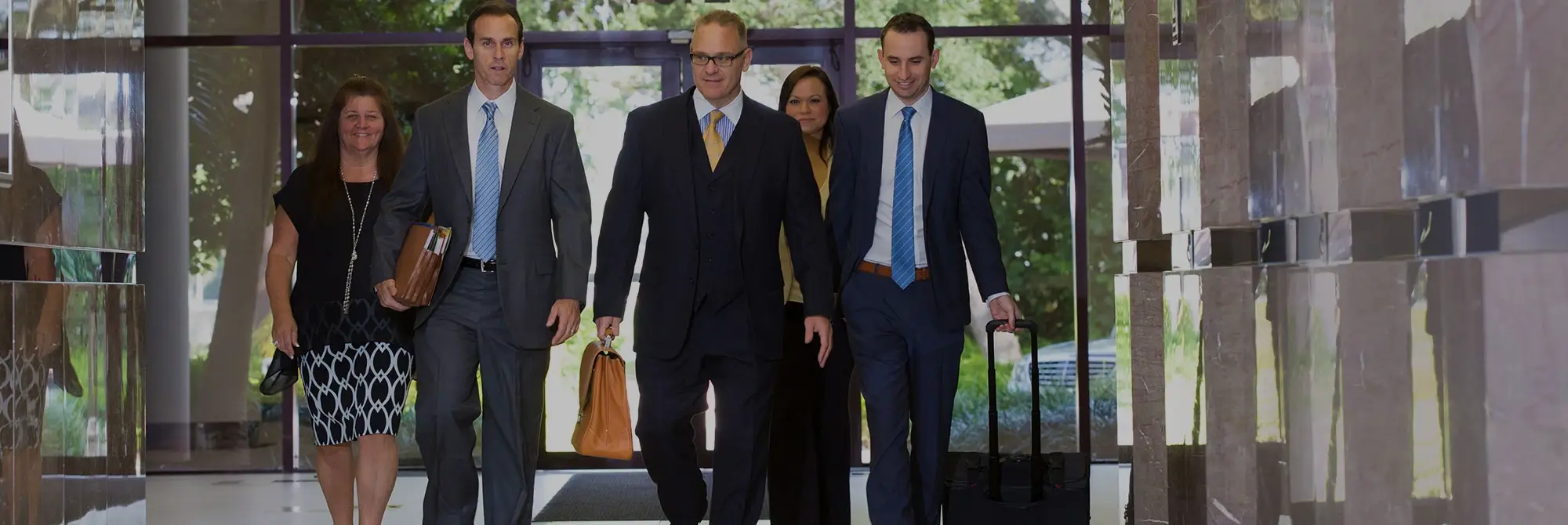
Tell us what happened
A lawyer will listen, tell you what Florida law does with those facts, and be straight with you about whether it is worth bringing. We are at 1825 Colonial Blvd, Fort Myers, FL 33907.