Pedestrian Hit in a Florida Parking Lot: Backing and Low-Speed Crashes
 By Richard P. Pravato, Board Certified in Civil Trial Law Published July 10, 2026 Updated July 23, 2026
Quick answer: Parking lots mix backing vehicles, distracted drivers, and pedestrians in tight spaces. A driver who backs up or turns without yielding to a pedestrian is usually at fault, and the lot’s owner may share blame for a dangerous design or poor visibility.
Parking lots feel low-risk, but they concentrate the very ingredients that hurt pedestrians: vehicles backing blindly, drivers scanning for spaces rather than people, tight aisles, and constant foot traffic. A person struck by a car can suffer serious injuries even at low speed, and a Florida pedestrian accident lawyer looks at both the driver’s conduct and the lot itself.
Why parking lots are dangerous on foot
A parking lot forces vehicles and pedestrians to share the same tight space with little separation. Drivers back out of spaces where their view is blocked by adjacent vehicles, hunt for spots while distracted, and cut across aisles, all while shoppers walk to and from their cars, often pushing carts or carrying children. The result is a setting where a moment’s inattention behind the wheel can put a pedestrian directly in a vehicle’s path. Low speeds and the false sense of safety that many provide make these crashes especially common.
The backing driver’s duty
Backing is one of the most dangerous maneuvers in a parking lot, and the law places clear responsibility on the driver doing it.
Yielding and looking before reversing
A driver backing out of a space has a duty to do so safely, which means checking mirrors and cameras, looking over their shoulder, and yielding to pedestrians and vehicles already in the aisle. A pedestrian walking behind a row of parked cars is where they are expected to be, and a driver reversing into that path without confirming it is clear has failed a basic duty. The burden is on the backing driver to ensure the way is clear, not on the pedestrian to anticipate a blind reversal.
Why does low speed mean no fault
Drivers often assume a low-speed lot crash is minor or not their fault, but neither is true. A vehicle backing or rolling slowly can still knock a person down, run over a foot, or cause a fall that fractures a hip or injures the head, and older pedestrians are especially vulnerable. Low speed does not reduce the driver’s duty to look and yield; a driver who strikes a pedestrian while backing is generally at fault regardless of how slowly the vehicle was moving.
Distracted and turning drivers in lots
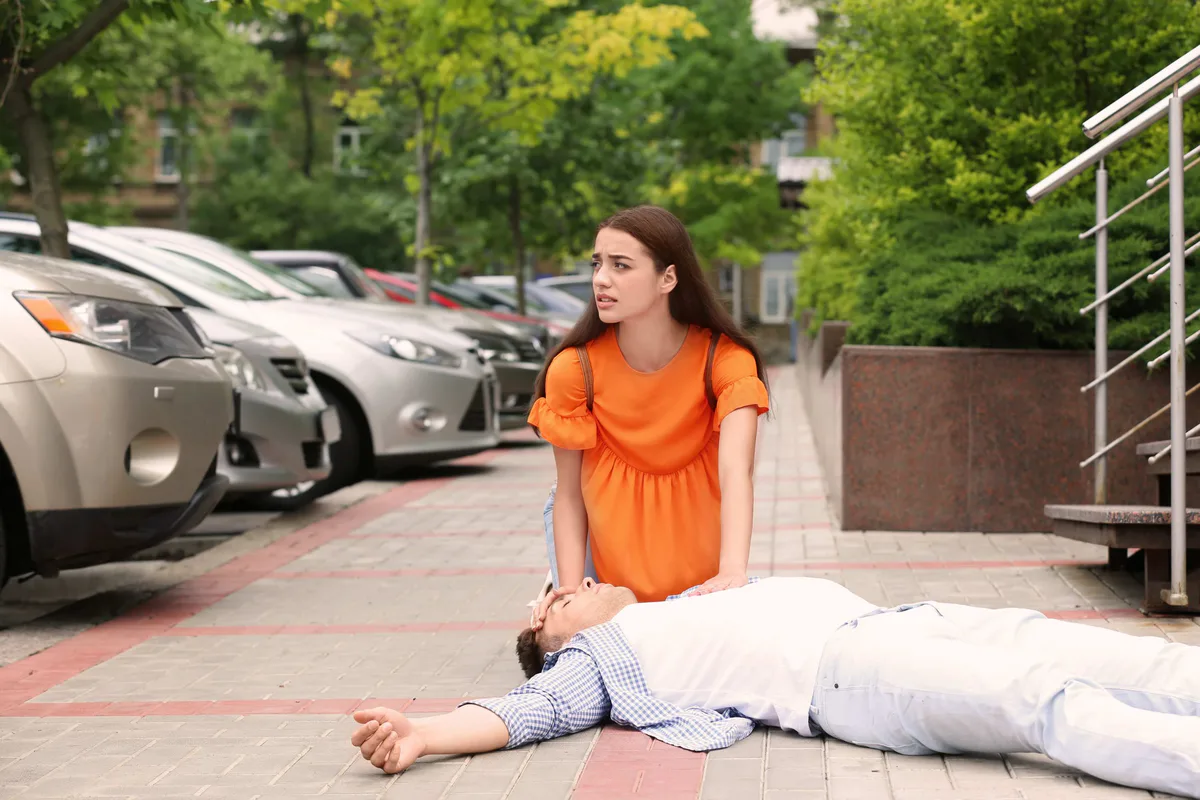
Not every lot crash involves backing. Drivers cruising the aisles looking for spaces, turning across a crosswalk at the storefront, or pulling out of a space forward can all strike a pedestrian they never saw because their attention was on parking rather than people. A driver has a duty to watch for pedestrians throughout the lot, and one who is distracted, speeding through an aisle, or failing to yield at a marked crossing bears responsibility for the resulting crash.
When the lot owner shares responsibility
Sometimes the property owner or operator shares blame for a dangerous lot.
Design, sightlines, and lighting
Many factors, including obstructed sightlines, missing or worn crosswalk markings, inadequate lighting, poor traffic flow, and blind corners, can contribute to a pedestrian crash. Where the owner’s design or maintenance created an unreasonable danger, that failure may add the property owner as a responsible party alongside the driver. Evaluating the lot’s layout and condition is part of a complete investigation.
Comparative fault and the injuries
Drivers may argue that the pedestrian darted out or was not paying attention. Even where a pedestrian bears some responsibility, Florida’s comparative fault statute reduces recovery by that share rather than barring it, and Florida’s pedestrian statute and the driver’s general duty of care still apply in a lot. Because parking-lot injuries can be serious, from fractures to head trauma, especially for older or child pedestrians, a claim should reflect the full harm, and reviewing what to do when a driver hits a pedestrian helps.
Proving a parking-lot pedestrian crash
These cases turn on the vehicle’s movement and what the driver could see. Parking lots are often blanketed with surveillance cameras, and store, doorbell, and dashcam footage may capture the crash. The point of impact, the vehicle’s position, the driver’s account, and witness statements help reconstruct what happened. Because footage is frequently overwritten within days, moving quickly to identify and preserve it is one of the most valuable early steps. Victims can also reach Fort Myers pedestrian accident lawyers.
The injuries a parking-lot crash causes
A parking-lot strike may happen at low speed, but the harm to an unprotected pedestrian can be severe and lasting.
Why are even low-speed strikes serious
Being knocked down, run over, or thrown by even a slow-moving vehicle can cause hip and wrist fractures, head injuries, and crush injuries to the feet and legs. Older adults and children are especially vulnerable, and a fall onto hard pavement can cause further harm. The false impression that a low-speed lot crash is minor often masks genuinely serious injuries.
Damages beyond the medical bills
A full claim accounts for future medical care, lost income and earning capacity, and the pain, disability, and lasting effects caused by the crash. Where an injury limits mobility or independence, particularly for an older victim, those losses are central, and presenting the complete picture with medical evidence gives the claim its proper value.
Because the false impression that many crashes are minor can lead people to skip medical care or accept a quick settlement, it is worth taking these injuries seriously from the start. Getting a thorough evaluation and letting the full extent of the harm become clear protects a victim from resolving a claim before the true cost is known, which matters especially for older pedestrians whose injuries can worsen or become more complicated over time.
Struck by a car in a Florida parking lot?
A driver who backs or turns into a pedestrian is usually at fault, whatever the speed, and the lot’s owner may share blame. The Law Offices of Wolf & Pravato gather the footage and evidence that show what happened. Call 954-522-5800 for a free consultation.
Sources: Fla. Stat. §316.130; Fla. Stat. §768.81
About the Firm
Published by the Law Offices of Wolf & Pravato
For nearly three decades, the Law Offices of Wolf & Pravato have represented injured Floridians and their families across South and Southwest Florida, exclusively on the plaintiff’s side. The firm is led by managing partner Richard P. Pravato, a Board-Certified Civil Trial Attorney (Florida Bar No. 86150). To reach the lawyer who handles cases in your area, visit our attorneys page, explore our practice areas, or learn more about our firm.
Law Offices of Wolf & Pravato · 2101 W. Commercial Blvd., Suite 1500, Fort Lauderdale, FL 33309 · 954-522-5800 · Free case evaluation: 844-643-7200
FAQs
Q1. Who is at fault when a backing car hits a pedestrian in a lot?
Usually the backing driver. A driver reversing out of a space must check mirrors and cameras, look, and yield to pedestrians already in the aisle. A pedestrian walking behind parked cars is where they are expected to be, so backing into that path without confirming it is clear is generally the driver’s fault.
Q2. Does low speed mean the driver is not at fault?
No. A vehicle moving slowly can still knock a person down, run over a foot, or cause a serious fall, and older pedestrians are especially vulnerable. Low speed does not reduce the driver’s duty to look and yield, so a driver who strikes a pedestrian while backing is generally at fault.
Q3. Can the parking-lot owner be responsible?
Sometimes. A lot with obstructed sightlines, missing crosswalk markings, poor lighting, bad traffic flow, or blind corners can contribute to a crash. Where the owner’s design or maintenance created an unreasonable danger, the property owner may share responsibility with the driver.
Q4. What if the driver says I darted out?
Even if a pedestrian bears some responsibility, Florida reduces recovery by that share rather than barring it, and the driver still had a duty to watch for and yield to pedestrians. Surveillance footage often contradicts a claim that the pedestrian appeared suddenly.
Q5. Are parking-lot pedestrian injuries usually minor?
Not necessarily. Even a low-speed strike can cause fractures, head trauma, and serious falls, particularly for older adults and children. A claim should account for the full extent of the injuries, including future care, rather than assuming a lot crash is minor.
Q6. What evidence helps prove a parking-lot crash?
Surveillance, store, doorbell, and dashcam footage, the point of impact, the vehicle’s position, the driver’s account, and witness statements all help reconstruct the crash. Because footage is often overwritten within days, preserving it quickly is important.
Q7. Are parking lots public roads or private property?
Most parking lots are private property, but a driver still owes a duty of reasonable care to pedestrians, and the lot owner owes a duty to keep the property reasonably safe. The private setting does not eliminate liability for a driver who strikes a pedestrian while backing or turning.
Disclaimer: This blog post is provided for general informational purposes only and does not constitute legal advice. Reading this content does not create an attorney-client relationship between you and the Law Offices of Wolf & Pravato. Laws change and every case is different, so you should not act or rely on any information here without consulting a licensed Florida attorney about your specific situation. For advice regarding your circumstances, please contact our office for a free consultation.
Related reading
 Road Accidents
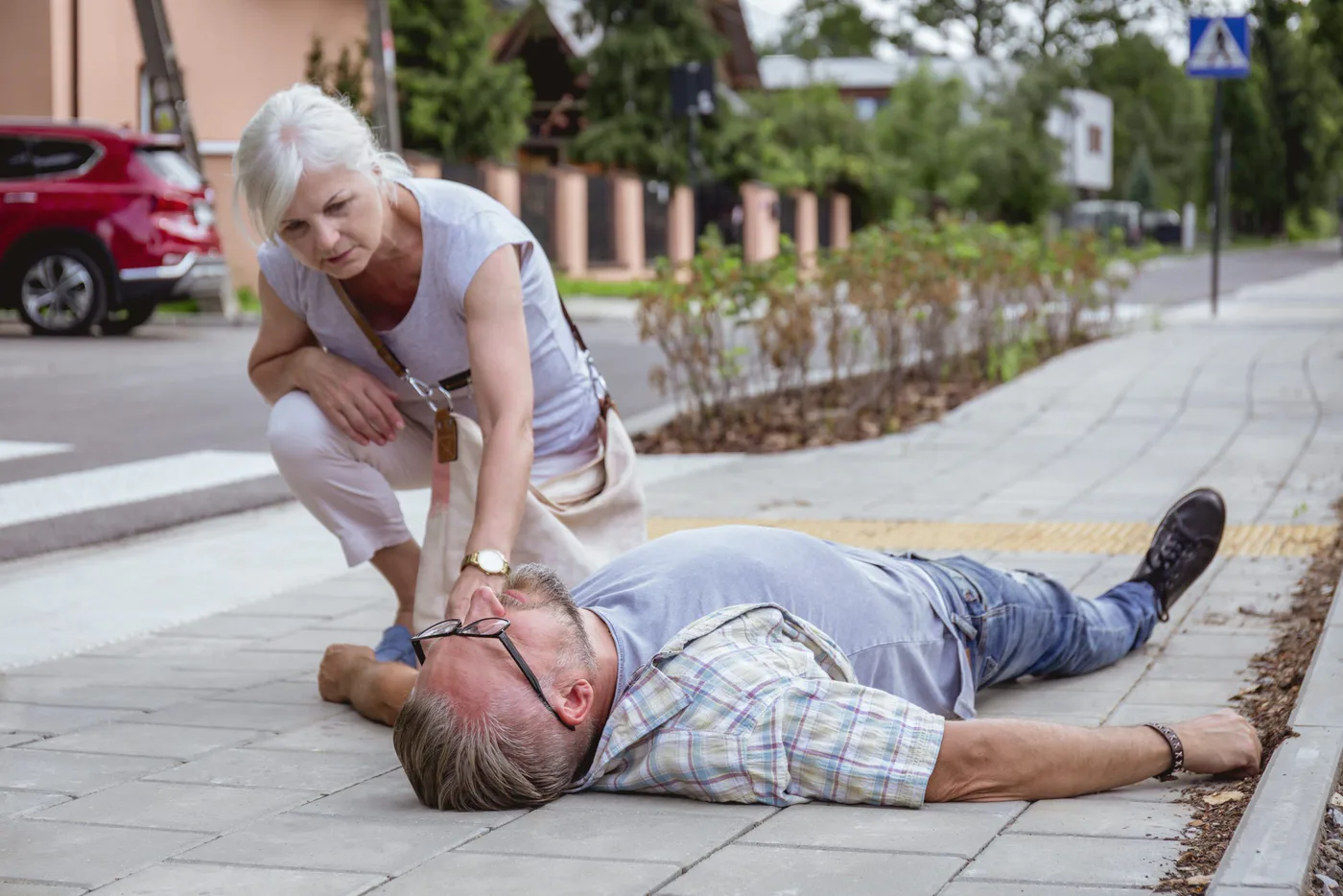
Elderly Pedestrian Injuries in Florida: Higher Stakes, Bigger Damages
Richard P. Pravato  Road Accidents
 Pedestrian Crashes at Florida Highway On- and Off-Ramps
Richard P. Pravato  Road Accidents
 Pedestrian Accidents on Fort Lauderdale's A1A and Beach Crosswalks
Richard P. Pravato