
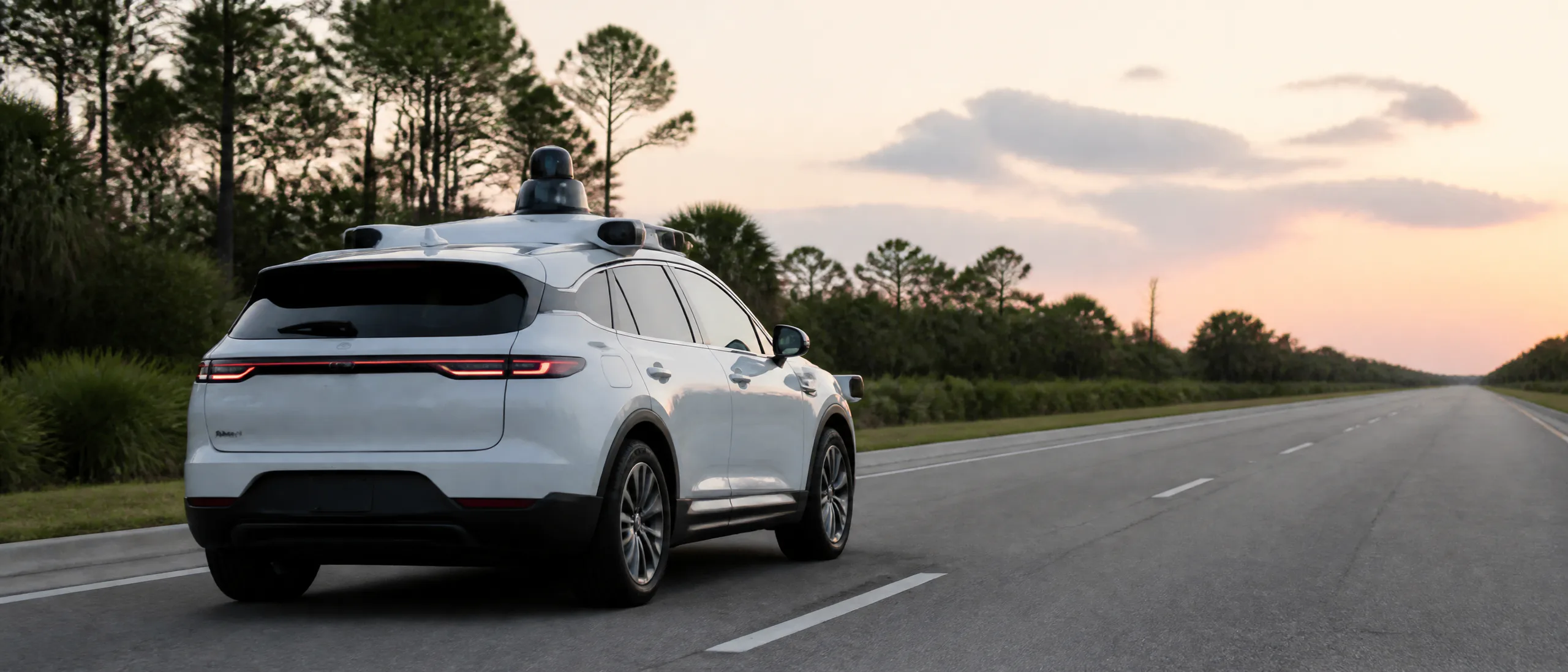
Fort Lauderdale Self-Driving Car Accident Lawyer
A car with nobody making the decisions hit you, and now the question is whether a driver, a manufacturer or a software company answers for it. We can take it from here. Call 954-522-5800 for a free consultation. You pay us nothing unless we win. Our Fort Lauderdale personal injury lawyers have taken these cases across Broward County since 1993.
Self-Driving Car Accident claims in Fort Lauderdale
The vehicle recorded what it saw and what it did, and the company that built it holds that data. Meanwhile you are covering the treatment, missing work, and being handled by people who deal in engineering reports rather than claims. Getting that data preserved before it is overwritten is our job, and we start the day you call.
Broward runs a commute long enough that drivers stop supervising, through a corridor that rearranges itself. The express lanes are separated by plastic delineators, which a camera reads as a painted line and a person reads as a wall. Traffic forms and clears within a mile. Roadworks shift lanes overnight and leave two sets of markings visible in daylight. On top of that sit the port and airport approaches, where cruise turnaround days put a year of unfamiliar traffic through one morning.
A Broward self-driving or driver-assist crash is filed in the Seventeenth Judicial Circuit. Florida deems the automated driving system the operator when it is engaged, and a vehicle on an on-demand network carries at least $1,000,000 in liability cover. What decides the case is data the vehicle keeps only for a while.
What to do after a self-driving car accident in Fort Lauderdale
- Stop the car from being repaired or scrapped. This is the one that has no second chance. The vehicles hold the evidence, in the event data recorder and in whatever the driver-assist system logged, and a car released to a salvage yard or repaired is a car whose data is gone. Tell your insurer in writing that the vehicle is not to be released, repaired or disposed of, and say why. That single sentence is worth more than anything else you do in the first week.
- Write down what the car was doing, in your own words, that day. Whether adaptive cruise control was on. Whether lane keeping was steering. Whether the car braked by itself, or failed to. Whether a chime or a screen alert came before the impact and how long before. Memory for this decays within days and the log will later be read against your account, so put it on paper while it is exact.
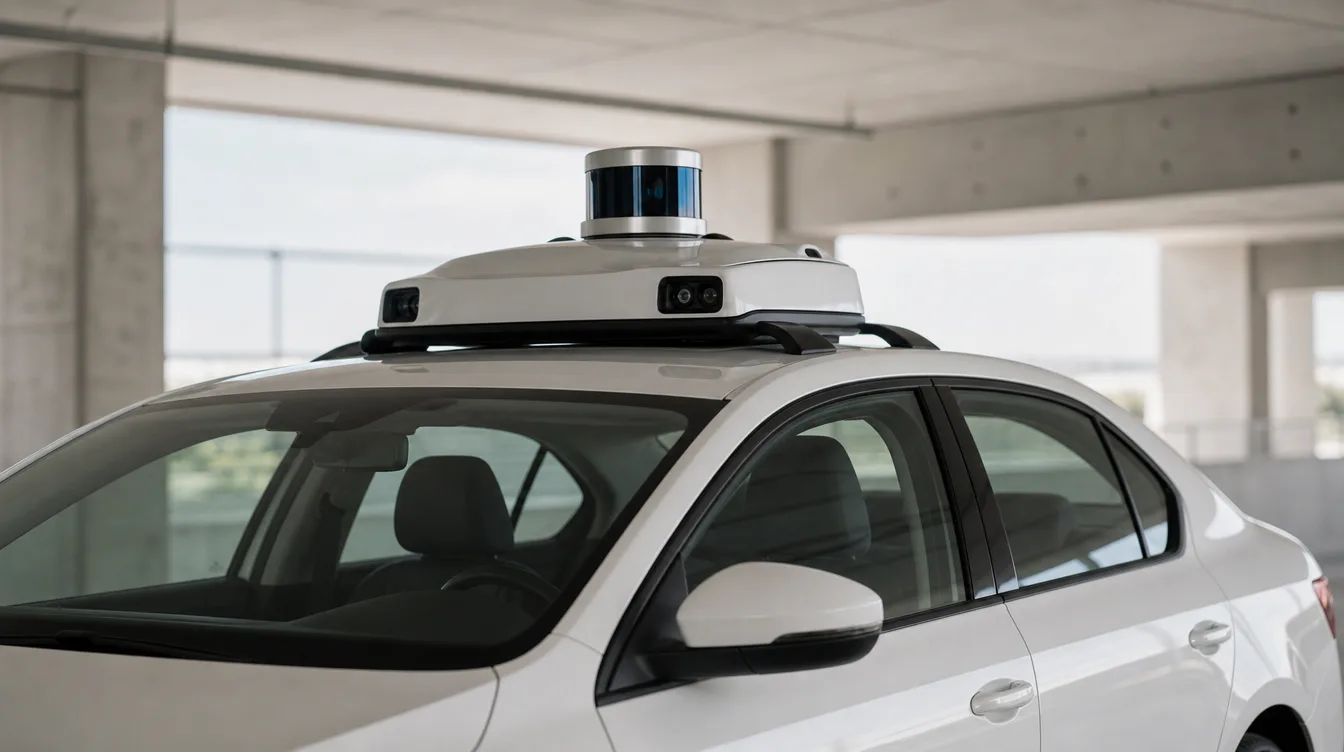
- Identify the other vehicle properly. A fleet vehicle carries a number, a company name and often a visible sensor array. Photograph all of it, including the roof and the bumpers, because the hardware fitted tells you what the vehicle could see. Where there was no person in the driver seat, say so in the police report, and get the report number.
- Send a written preservation demand, early and to everyone. The manufacturer, the fleet operator and both insurers each hold a different piece: the vehicle log, the remote monitoring record, the software version history and the maintenance file. None of it is public and all of it turns over on a retention schedule set by the company holding it. A letter sent in week one and a letter sent in month three produce very different answers.
- Get seen, and say what you actually felt. Automated systems tend to brake late rather than not at all, which produces a particular pattern of neck and back injury from a hard stop with no warning. Describe the sequence to the doctor rather than describing a crash, because how the impact happened is part of what the record has to show.
Where these happen in Fort Lauderdale
Broward runs a long, heavily automated commute through a corridor that changes lanes on itself, which is an unusual combination even in Florida.
-
I-95 through Broward and the express lanes
The single longest stretch of assisted driving in the county, every weekday.
- Express lanes separated by plastic delineators rather than a barrier, which a camera reads as a line and a person reads as a wall
- Entries and exits from the express lanes taken across traffic moving at a very different speed
- Stop-and-go that forms and clears within a mile, which is where late braking and phantom braking both surface
- A commute long enough that a driver has stopped supervising well before anything happens
-
The port and airport approaches
Cruise turnaround days put a year of unfamiliar traffic into one morning.
- Shuttle and transfer vehicles making frequent stops in live lanes
- Passenger loading where a door opens into traffic with no warning to a system
- Rental returns and pickups feeding straight onto a highway ramp
- Signage and lane assignment that changes on cruise days and is not in any map data
-
Federal Highway and the downtown bridges
A surface corridor with interruptions no map anticipates.
- New River drawbridge openings, which turn a moving road into a stopped one on a schedule nobody driving knows
- Left turns across three lanes of oncoming traffic, which is the maneuver these systems misjudge most
- Cyclists and pedestrians along the A1A and Las Olas stretches at all hours
- Roadworks that shift lanes overnight, leaving two sets of markings visible in daylight
-
The residential grid and school zones
Low speed, and where the classification failures show up.
- Children and cyclists at the edge of the road rather than in a crosswalk
- Parked cars narrowing the lane so that a system has nowhere to move over to
- Reduced-speed school zones enforced by time of day rather than by anything a camera sees
- Reversing and parking systems, which cause a smaller class of injury that still needs the same data
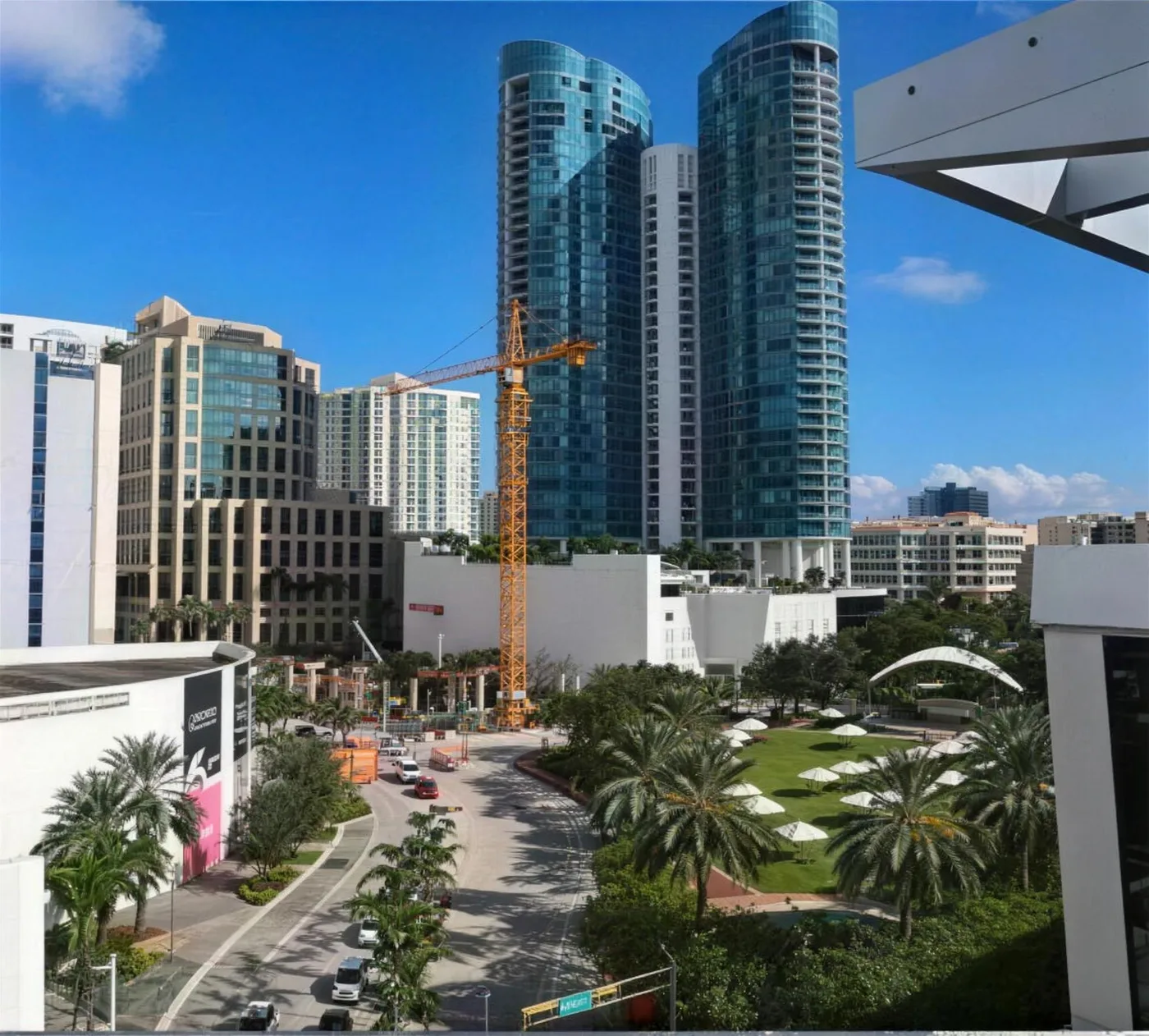
How self-driving and driver-assist crashes happen in Fort Lauderdale
- A perception failure in rain, glare or at night, where a system reads a dark object against a dark road too late
- An unprotected left turn taken across oncoming traffic on a judgment the system got wrong
- Phantom braking, where the car brakes hard for something that was never there and is struck from behind
- Lane keeping that follows a worn or temporary marking through a construction zone
- A hand-off failure, where driver assistance gives control back with no realistic time for a person to take it
The injuries we see, and what each one turns on
The hard-stop injuries
Automated braking is abrupt in a way human braking is not, and the vehicle behind is rarely expecting it. Neck and upper back injuries from that pattern are the most common thing these cases produce, and they are frequently written off at the roadside because nothing looks dramatic.
The delay matters medically and legally. Soft tissue injuries declare themselves over days, and a gap between the crash and the first visit is the first thing an insurer points at.
Side impacts from turns and merges
A misjudged turn or merge puts the impact into the side of a vehicle, where there is far less structure between the occupant and the other car. Rib, pelvis, hip and shoulder injuries follow, and so do the head injuries that come from striking the pillar or the glass.
Pedestrians and riders
Anyone outside a vehicle has nothing between them and it. These are the cases where the classification question matters most, because a system that recognized a person late is a system that braked late, and the difference between recognizing at 40 yards and at 20 is the difference between a stop and a strike.
What Florida law requires you to prove
Florida already decided who the driver is
Under Fla. Stat. § 316.85, the automated driving system, when engaged, is deemed to be the operator of an autonomous vehicle, whether or not a person is physically present. Florida did not leave this to be argued case by case, and it is the single most useful line in the statute book for these claims.
And it set a floor on the insurance
Under Fla. Stat. § 627.749, a fully autonomous vehicle used on an on-demand network or for prearranged rides carries primary liability coverage of at least $1,000,000 for death, bodily injury and property damage. That is a different order of coverage from the minimum a private driver carries, and it is worth knowing before anybody accepts a first offer.
The second route is a product claim
Where the failure was in the system rather than in how anybody used it, the claim is a product liability claim against the maker of the vehicle or the software, run on defect and failure to warn. The two routes are pursued together rather than in the alternative, because at the outset nobody outside the company knows which one the data supports.
The full statutory detail, and the parts that differ by claim type, sit on our statewide self-driving car accident page rather than being restated in every market.
How we prove it in Broward County
A Broward case is built from records held by three different companies, none of which is the person you were hit by.
- A written demand to preserve the event data recorder and every driver-assist log, sent within days
- The maintenance and calibration file, because a camera or radar knocked out of alignment by an earlier repair does not see what it should
- The software version running that day and the update history afterward
- Fleet or company identification on the other vehicle, photographed including the roof
- Florida Highway Patrol crash report, and its record of who or what was operating
- Any dashcam, and the footage from the business or building the crash happened outside
- The manufacturer owner manual and the marketing material for the system, which is what the driver was told it could do
- Your own dated account of what the vehicle was doing and what it warned you about
Send the preservation letter before anything else. A car repaired under an insurance claim is a car whose evidence has been discarded lawfully and permanently.
Who would handle your case
Being hurt in Fort Lauderdale is hard enough without working out the legal side on your own. The trial lawyers below have handled self-driving car accident claims across Florida since 1993, and one of them will take yours from the first call to the last check. They will tell you what your case is worth and why, and they will be straight with you about the parts that are hard.
-
 Richard P. Pravato Founding & Managing Attorney Board Certified in Civil Trial Law by The Florida Bar since 2004, and by the National Board of Trial Advocacy. Injury cases exclusively since 1996. Full profile →
 -
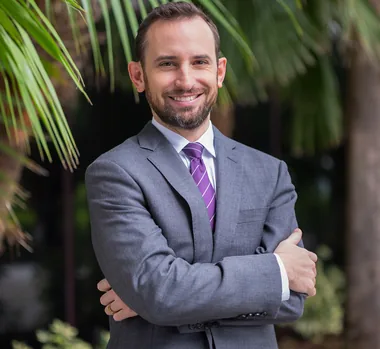 Brett J. Yonon Senior Trial Attorney Selected to Florida Super Lawyers in 2024 and 2025. Brett Yonon is who this firm puts on a catastrophic injury or a death in the family, and he has tried those cases to verdict. Full profile →
How insurance companies handle these claims
These claims are handled by companies that are not ordinary auto insurers, and their first moves are different from the ones an injured person is braced for.
- The data is proprietary and cannot be released
- Proprietary is not privileged. Trade secret material is produced under a protective order routinely, and courts are well used to the arrangement. What the position actually buys is delay, and delay is worth something to the company holding a retention schedule.
- The person in the seat was supposed to be supervising
- Sometimes true and rarely the whole answer. Where a system was marketed on how little supervision it needed, and where the hand-off gave a person no realistic time to react, the design is in issue rather than the person. Both can be at fault at once, and Florida divides it.
- Our own log shows you caused it
- Then the log is producible, and so is the raw data behind the summary the company chose to share. A report generated by one party from data only that party holds is a starting point for a fight, not the end of one.
What a claim can include
The medical care, including the part still ahead
Everything billed so far and what the treatment plan says comes next. Where a spinal injury will need injections or surgery later, that belongs in the claim now, because a release cannot be reopened.
Lost earnings and what the injury did to the work you can do
Wages lost while you were out, and where the injury is lasting, the difference between what you could earn before and what you can earn now. The second is the larger number in almost every serious case.
Pain, and what daily life is like now
Florida compensates the human cost as well as the invoices. It is proved with the medical record and with the accounts of the people who see you every day rather than with a formula.
Why Wolf & Pravato in Fort Lauderdale
A Broward claim is filed in the Seventeenth Judicial Circuit at the courthouse on South Andrews Avenue, and the firm has run its main office at 2101 West Commercial Boulevard for decades. These cases are decided on engineering records held by a manufacturer, so the useful work is done in the first two weeks, before anybody has argued about anything.
Richard Pravato has been Board Certified in Civil Trial law by The Florida Bar since 2004. The Bar lists 861 lawyers in the state holding it against a membership over 109,000. What it means in practice is that the other side knows the file can go in front of a jury, and files that can go to trial are priced differently from files that cannot.
The first conversation is free. We are paid out of the recovery or not at all, and if we do not think there is a claim worth bringing we will tell you that rather than take it.
Fort Lauderdale self-driving car accident questions
My car was steering itself and I still hit somebody. Am I liable?
Possibly in part, and that is not the end of your case. Florida divides fault, and a driver-assist system that failed to do what it was sold as doing puts the manufacturer into the claim beside you. What the system was marketed as capable of, and how much warning the hand-off actually gave you, are both part of it. Do not describe what happened to any insurer before somebody has read the log.
How long do I have before the data disappears?
Shorter than you would expect and it varies by company, which is the honest answer. Some vehicle logs overwrite in days, camera footage from nearby businesses is usually gone within two weeks, and a vehicle repaired or written off takes its recorder with it. Nothing about this waits for the two-year deadline to file.
The other car was a delivery or fleet vehicle running on its own.
Then the coverage behind it is likely far larger than a private policy. Section 627.749 requires a fully autonomous vehicle on an on-demand network or making prearranged trips to carry at least $1,000,000 in primary liability coverage, along with personal injury protection and uninsured motorist coverage. Photograph the fleet number, because it identifies the vehicle and its whole service history.
Who is responsible when a car was driving itself?
It depends on what the system was designed to do and what it actually did. Most systems in use today are driver-assist rather than fully autonomous and still expect a human to supervise. Responsibility may sit with the driver, with the manufacturer as a product defect, or be shared. The vehicle data is what answers it.
Can the vehicle data be obtained?
Yes, through the litigation process, provided the vehicle and its data still exist. Manufacturers do not hand it over on request, and an insurer that takes possession of a total loss can dispose of the vehicle. That is why preservation in the first days matters so much here.
The questions that come up on every kind of claim, deadlines, fees, recorded statements and fault, are answered on our Florida injury claim FAQ.
More in Fort Lauderdale
Fort Lauderdale Personal Injury Lawyer
Everything we handle in Broward County, and where our office is.
View →Fort Lauderdale Catastrophic Injury Lawyer
Florida catastrophic injury lawyers.
View →Fort Lauderdale Car Accident Lawyer
Florida car accident lawyers since 1993.
View →Fort Lauderdale Motorcycle Accident Lawyer
Florida motorcycle accident lawyers.
View →
Tell us what happened
A lawyer will listen, tell you what Florida law does with those facts, and be straight with you about whether it is worth bringing. We are at 2101 W Commercial Blvd, Suite 1500, Fort Lauderdale, FL 33309.