
Florida Motorcycle Accident Lawyer
You are the one in the hospital, and you are also the one being blamed for it. Every adjuster starts a motorcycle file in the same place. We can take it from here. Call 954-522-5800 for a free consultation. You pay us nothing unless we win. We have won these claims for Floridians from the Keys to the Panhandle, and we work them from five offices between Fort Lauderdale and Fort Myers.
A motorcycle crash rarely has anything paying the first bills automatically, so the practical emergency here is coverage rather than paperwork. Call before you start turning down treatment you think you cannot pay for. Health insurance, MedPay, uninsured motorist coverage and the at-fault driver’s policy each have to be found and put in the right order, and that happens in the first conversation, which is free.
Winning motorcycle accident claims for Floridians for more than thirty years
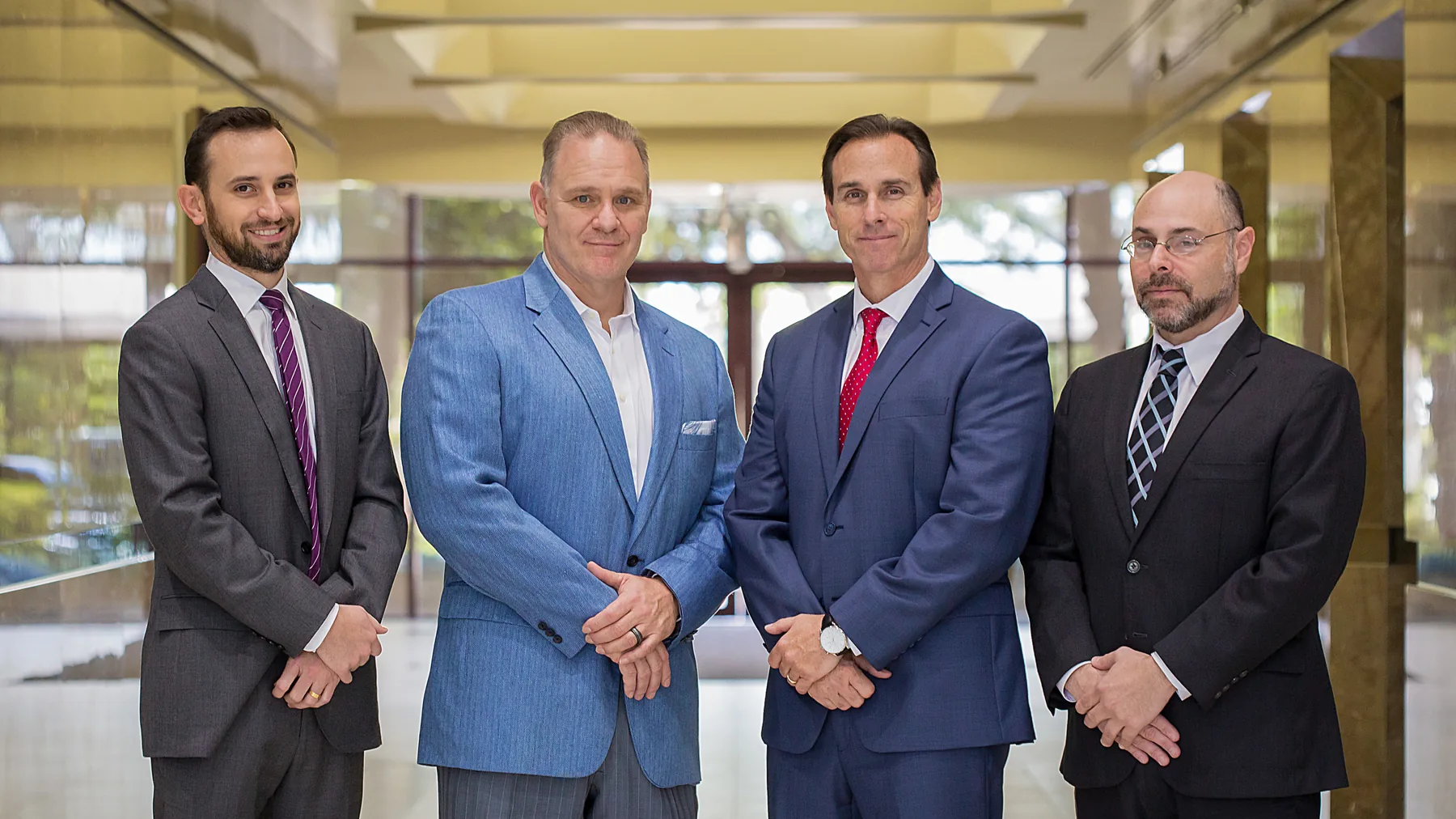
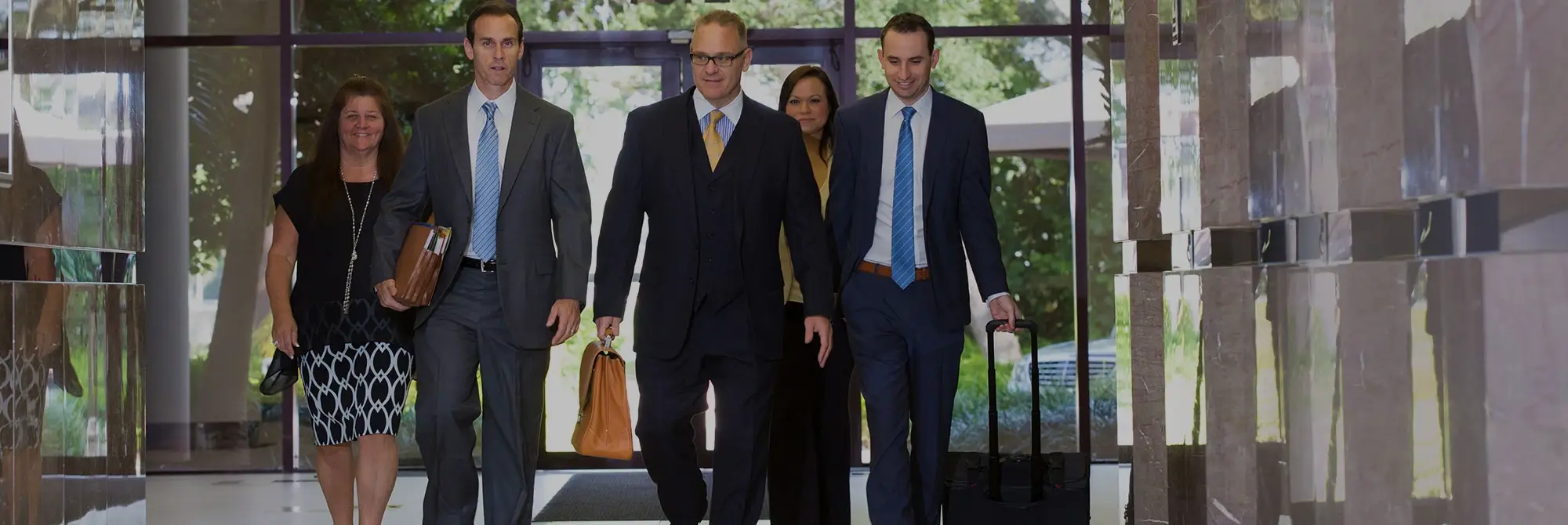
A motorcycle accident claim arrives at a hard time, usually while the bills are still coming in and nobody has told you what happens next. You do not have to work it out on your own. The attorneys in this photograph have won these cases across Florida since 1993, from the Keys to the Panhandle, and one of them will handle yours from the first call to the last check.
Call 954-522-5800 for a free consult and a trial lawyer will tell you today whether you have a case. You pay us nothing unless we win, and we work from five offices between Fort Lauderdale and Fort Myers.
Meet the attorneys →What Florida law does with a motorcycle accident claim
The driver who turned across your lane will say they never saw you, and their insurer will start from the idea that you were going too fast. Meanwhile you are counting up the surgery, the shifts you cannot work and a bike nobody has offered to replace. Taking that assumption apart is what we do, from the first call.
Two things make a motorcycle claim different from a car claim, and neither is the motorcycle. The first is that the coverage every Florida driver relies on for their first medical bills does not reach a rider at all. The second is that the fight over fault starts from an assumption about the rider. Below is the law that decides both.
A Florida motorcycle accident claim generally has to be filed within two years. Motorcycles are not covered by the personal injury coverage that pays a car driver's first medical bills, so nothing pays automatically after a crash, and the coverage that usually decides the case is uninsured motorist coverage on the rider's own policy.
The deadline that ends a Florida motorcycle accident claim
One date ends the claim. A second, much shorter one decides whether it can be proved.
Two years from the crash
Most claims from an accident on or after March 24, 2023 have to be filed within two years. An older accident keeps the four years that applied when it happened. The period is in Fla. Stat. § 95.11. Where a rider died, the case is a wrongful death action and the two years run from the date of death instead.
A crash with a government vehicle, or one caused by the condition of a public road, runs through Fla. Stat. § 768.28: written notice to the agency and, in most cases, to the Department of Financial Services, a waiting period before suit, and caps of $200,000 per person and $300,000 per incident.
The road itself gets repaired, and the case with it
Riders are hurt by things that would not trouble a car: a spill of gravel or diesel, a sunken drain cover, a dropped pavement edge at a lane joint, a pothole on a curve, debris left after work. Every one of those is fixed, swept or resurfaced within days, and once it is gone there is nothing to photograph.
Where a road defect is any part of what happened, somebody has to be out there with a camera and a tape measure immediately, and the maintenance and complaint records for that stretch have to be requested before they age out.
The bike and the gear are evidence, not scrap
The machine records what happened in its damage patterns, and a scraped helmet, torn jacket and shredded gloves show what the rider was wearing and what the impact did. Insurers total motorcycles quickly and salvage yards move them, and families throw the gear away because it is ruined.
Keep all of it, in a garage, untouched, and tell your insurer in writing that it may not be released. It is far easier to give it up later than to explain its absence to a jury.
When the deadline pauses, which is rare
Fla. Stat. § 95.051 lists what stops a limitations period running, and a defendant who leaves the state, conceals themselves or cannot be served is on it. A minor's claim is treated separately, with an outer limit of seven years from the event. None of it is a plan, and all of it is argued afterward against somebody with every reason to say it does not apply.
Who can be held answerable
The driver who turned across you is the obvious defendant and frequently not the one with the money. On a serious injury the case usually depends on finding the others.
- The driver. Almost always the starting point, and in most of these cases the driver's account is some version of the same sentence: they did not see the motorcycle. That is an admission of a failure to look rather than an explanation, and it is treated as one.
- The owner of the vehicle that hit you. Florida treats a motor vehicle as a dangerous instrumentality, so whoever owns it answers for how the person they lent it to drove it. A separate owner is a separate party and frequently a separate policy, which on a catastrophic injury is the difference that matters.
- An employer, where the driver was working. A driver on the clock puts a company policy behind the claim, and those are far larger than personal ones. Establishing what the driver was doing takes asking, because a delivery run or a service call is rarely volunteered at the scene.
- The public body responsible for the road. Road condition causes a share of motorcycle crashes far out of proportion to what it causes in cars. A resurfacing job left with a lip between lanes, a drain grate with slots running the wrong way, gravel washed across a bend, a signal timed too short for a rider to clear. All of it runs through Fla. Stat. § 768.28 with its notice requirements and its caps.
- A manufacturer, where a part of the bike failed. Tires, brakes, forks, frames and helmets all end up in these cases. The claim is proved from the physical item, which is another reason nothing goes to salvage before somebody qualified has looked at it.
- A business that served the alcohol, in two narrow cases. Fla. Stat. § 768.125 allows a claim only where drink was sold or furnished to somebody under 21, or knowingly served to a person habitually addicted to it. Both are provable from receipts and staff and both need somebody asking within days.
How a Florida motorcycle accident case actually runs
A motorcycle case runs like any other injury case with one difference running through the whole of it: the argument about fault starts before anybody has looked at the evidence.
- The scene gets documented before it changes. Skid and gouge marks, the resting positions, the sightline the driver actually had from where they were stopped, the surface, and the businesses with cameras. Where a road defect is involved this is measured rather than described, because a defect is a dimension.
- The bike, the gear and the other vehicle are preserved. In writing, to your own insurer and to the other side. Damage patterns on both vehicles establish angles and speeds, and an engineer can work from them long after the road has been swept.
- Treatment runs its course. Riders take orthopedic injuries that need staged surgery over a year or more, and head injuries that declare themselves slowly. A claim valued before the treating physicians can say what is permanent is valued as the cheap version of itself.
- The helmet question gets answered early, on the law. Whether a rider wore a helmet is raised in nearly every one of these claims. Fla. Stat. § 316.211 allows a rider over 21 to ride without one where they carry at least $10,000 in medical benefits, so for those riders it is lawful, and lawful conduct is a poor basis for blaming somebody for their own injuries. It still gets argued, and it is answered with the statute and with medical evidence about what the injuries actually were.
- Every policy is identified. Fla. Stat. § 627.4137 requires an insurer to disclose the limits of each known policy, including excess and umbrella layers, in a sworn statement within 30 days of a written request. On a serious rider injury that answer decides whether the case is about one defendant or four.
- The demand, built around fault. In most injury claims the demand is about the injury. Here it is about the crash, because the injury is rarely in doubt and the fault always is. Reconstruction, sightlines, signal timing and the driver's own words carry it.
- Suit, discovery and mediation. Fla. Stat. § 47.011 puts the case where the crash happened or where the defendant lives. Discovery runs months and includes physicians on both sides, and most Florida courts require mediation before trial.
- A formal offer, then trial. Fla. Stat. § 768.79 lets either side serve a formal offer, and a defendant who refuses one can be made to pay attorney fees from that date where the judgment beats it by at least 25 percent. Riders do better in front of juries than insurers assume, which is why the willingness to try the case changes the offer.
What the claim is worth, and how that number is built
Rider injuries are more severe than the same crash produces in a car, and the valuation reflects that. What moves it most, though, is the percentage argument.
The medical care, and the surgery still ahead
Everything billed and what the treating physicians say is coming. Orthopedic hardware gets revised, fusions extend, and a limb saved in the first year is sometimes lost in the third. That second figure is regularly larger than the first.
Scarring and disfigurement, as its own claim
Road rash and burns leave permanent marks, and they are a separate head of loss rather than part of the pain claim. Photograph the healing as it happens: nobody can produce a record later of what it looked like at three weeks.
Income, and the working life behind it
Wages missed, and separately what somebody can no longer earn. A hand, a shoulder or an ankle that does not come back changes what work is possible, and the second figure is proved with an economist and the treating physicians.
Pain, suffering, and riding
The head of loss with no invoice. For most of the people we act for, riding was not transport, and losing it is a real loss that is worth describing rather than leaving to be assumed.
The percentage, and the line at 50 percent
Fault is divided under Fla. Stat. § 768.81, so an award drops by whatever share is placed on the rider, and since March 2023 anybody found more than 50 percent responsible for their own harm recovers nothing at all.
Every defense in a motorcycle case aims at that line: speed, lane position, filtering, the helmet, the color of the jacket. Meeting it is the whole job, and it is met with reconstruction and physical evidence rather than with the rider's word against the driver's.
What is repaid out of the money
Health insurance, Medicare and Medicaid are repaid from the recovery, and Fla. Stat. § 768.76 keeps those payments from being deducted from the award because the repayment right already exists. Reducing those claims is real money to the client and it never shows in the headline figure.
What changes from one part of Florida to another
Florida rides all year, which makes it unlike most of the country, and the differences within the state are about who is riding and where.
Where the crashes happen is not where people expect
Most serious rider injuries in Florida happen on ordinary wide surface streets rather than on the interstates, at the moment a driver turns left across a rider going straight. The mix shifts between dense urban counties and the rural stretches where speeds are higher and help is further away.
Visitors, rentals and organized rides
Florida draws riders from everywhere, including on rented machines and at large organized rallies. Those cases add a layer: a rental agreement, an out-of-state policy, a rider who goes home a week later and a claim that has to be built from what exists locally while it exists.
Juries differ, and on rider cases it shows
Attitudes to motorcycles vary across Florida, and the same facts value differently from one county to another. Every defense adjuster in the state knows that number for your county, and an honest assessment has to as well.
A proven record, anywhere in Florida
Our five offices run from Fort Lauderdale to Fort Myers, and a rider hurt in a part of the state we hold no office in is still somebody we act for.
The insurance behind a Florida motorcycle accident claim
This is the part that catches injured riders hardest, and it is worth reading before anything else on this page if you have just been hurt.
Nothing pays your first medical bills automatically
Florida's personal injury protection benefits attach to a "motor vehicle", and Fla. Stat. § 627.732 defines that as a self-propelled vehicle with four or more wheels designed and required to be licensed for use on the highways. A motorcycle is not one, and Fla. Stat. § 627.733 does not require a rider to carry those benefits.
So the coverage that pays a car driver 80 percent of medical bills and 60 percent of lost wages within days of a crash, regardless of fault, does not reach a rider at all. Treatment goes on health insurance, and the bills wait for the claim.
The helmet exemption is a coverage rule, not a safety rule
Fla. Stat. § 316.211 lets a rider over 21 ride without a helmet only where they carry at least $10,000 in medical benefits. That is a small amount of coverage carried for that purpose, it is not the same thing as the benefits a car policy carries, and riders regularly discover the difference in the week after a crash.
Uninsured motorist coverage is usually the whole case
Florida does not require an ordinary private driver to carry any coverage at all for injuring somebody else. They must carry Fla. Stat. § 627.736 benefits and $10,000 of property damage liability under Fla. Stat. § 324.022, and nothing more.
So a driver can put a rider in the hospital for months, be entirely at fault and be fully legal with nothing that pays for it. What answers that is uninsured and underinsured motorist coverage on the rider's own policy. Under Fla. Stat. § 627.727 it has to be offered with every liability policy and can only be left off where the customer signed a written rejection, and whether limits on several vehicles stack is decided by a separate signed form.
Medical payments coverage on a motorcycle policy
Many Florida motorcycle policies carry an optional medical payments benefit that pays regardless of fault. It is the closest thing a rider has to the coverage a car driver takes for granted, it is inexpensive, and a great many riders do not know whether they bought it. Read the declarations page rather than assuming.
The assumption every rider has to overcome
The adjuster starts from the idea that you were going too fast
Left-turn and lane-change collisions make up a large share of the serious motorcycle cases we handle, and the pattern repeats: a driver turns across a rider’s path, tells the officer they never saw the bike, and the insurer’s first theory is that the rider must have been speeding.
That theory is rebuttable with physical evidence. Scene measurements, gouge marks, helmet and fairing damage, and the geometry of the impact usually establish approach speed far better than either driver’s recollection. We have spent three decades taking that first assumption apart.
The helmet question, answered properly
Under Fla. Stat. § 316.211, a rider aged 21 or older may lawfully ride without protective headgear if covered by an insurance policy providing at least $10,000 in medical benefits for injuries from a motorcycle crash. Riders under 21 must wear a compliant helmet.
Being lawfully unhelmeted does not bar recovery. It can become an argument about the extent of head injuries specifically, which is a narrower point than insurers usually imply, and it says nothing at all about who caused the collision.
Where the money actually comes from
With no PIP in play, the sources are the at-fault driver’s bodily injury coverage, your own uninsured or underinsured motorist coverage, any MedPay you carry, and your health insurance. Florida does not require drivers to carry bodily injury coverage at all, so UM is frequently the largest policy in a serious motorcycle case.
Identifying and stacking these correctly, in the right order, is most of the practical work in the first month.
What we have recovered on these claims
Matters this firm handled in this area of law. Figures are gross recoveries, before attorney fees, costs and medical liens come out of them.
Law enforcement first put fault for this fatal Miami-Dade motorcycle crash on the rider who died.
Confidential settlementEvery verdict and settlement we publish, with the press coverage for the ones that were reported. No result predicts another case: every claim turns on its own facts, its own evidence and the insurance actually available.
Who would handle your case
Your case is handled by one of the trial lawyers below, and you will know which of them has it from the first conversation. They do motorcycle accident work week in and week out, they will tell you what your case is worth and why, and they will be straight with you about the parts that are hard.
-
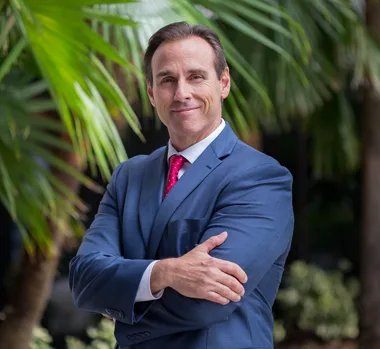 Richard P. Pravato Founding & Managing Attorney Board Certified in Civil Trial Law by The Florida Bar since 2004, and by the National Board of Trial Advocacy. Injury cases exclusively since 1996. Full profile →
 -
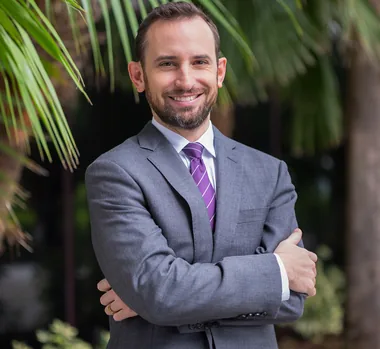 Brett J. Yonon Senior Trial Attorney Selected to Florida Super Lawyers in 2024 and 2025. Brett Yonon is who this firm puts on a catastrophic injury or a death in the family, and he has tried those cases to verdict. Full profile →
Motorcycle Accident questions we are asked
I was not wearing a helmet. Can I still recover?
Yes. If you are 21 or older and carry at least $10,000 in medical benefits, riding without a helmet is lawful in Florida under Fla. Stat. § 316.211. It does not bar a claim. An insurer may argue it affected the severity of a head injury specifically, but it has no bearing on who caused the crash.
Does PIP cover a motorcycle accident in Florida?
Generally no. Florida’s no-fault PIP requirement applies to motor vehicles with four or more wheels, so motorcycles fall outside it. That means no automatic $10,000 medical benefit. Your health insurance, any MedPay, your uninsured motorist coverage and the at-fault driver’s policy have to carry it instead.
The driver says they never saw me. Does that help or hurt?
It usually helps. A driver who did not see a motorcycle before turning across its path is describing a failure to keep a proper lookout, which is the negligence itself. The statement is far more damaging to them than most drivers realize when they make it at the scene.
What evidence matters most in a motorcycle case?
Photographs taken at the scene before anything is moved, the damage pattern on the helmet and the bike, gouge and scrape marks on the road surface, and any nearby camera footage. Together these usually settle the speed and fault questions that an insurer would otherwise argue for months.
Questions that apply to any Florida injury claim, fees, deadlines, recorded statements and shared fault, are answered on our injury claim FAQ. What we have recovered is on recent case results.
Five Florida offices
We take motorcycle accident claims statewide. Each market below has its own page on this claim, with that office's address, its direct number and the court a case there is filed in.
Fort Lauderdale motorcycle accident claims
2101 W Commercial Blvd, Fort Lauderdale. Serving Broward County.
View →Miami motorcycle accident claims
1111 Brickell Avenue, Miami. Serving Miami-Dade County.
View →West Palm Beach motorcycle accident claims
2101 Vista Parkway, West Palm Beach. Serving Palm Beach County.
View →Boynton Beach motorcycle accident claims
1375 E Gateway Blvd, Boynton Beach. Serving Palm Beach County.
View →Fort Myers motorcycle accident claims
1825 Colonial Blvd, Fort Myers. Serving Lee County.
View →Other claims we handle
Three of the closest to this one. The full list is on our Florida practice areas page.
Tell us what happened
A lawyer will listen, tell you what Florida law does with those facts, and be straight with you about whether it is worth bringing. If it is not, we will say so.
We take cases anywhere in Florida.